


Free written scope consultation - allowances, timeline, and change-order rules on paper before a single trade is scheduled
Styles & brands we work with
- Kitchen remodeling
- Bathroom remodeling
- Home additions & ADU
- Roofing
- Windows & doors
- Driveway & pavers
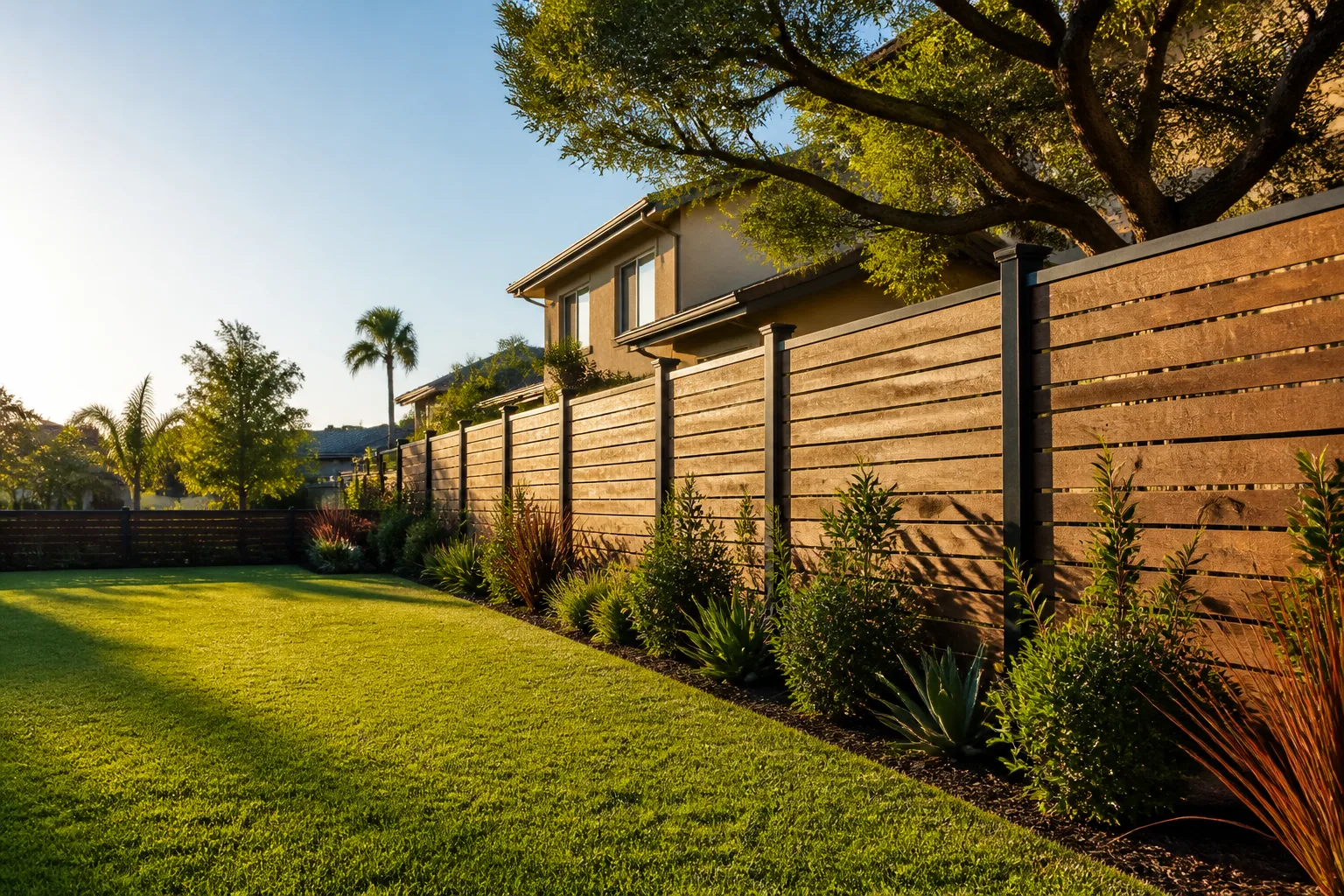
- Fence
See the difference
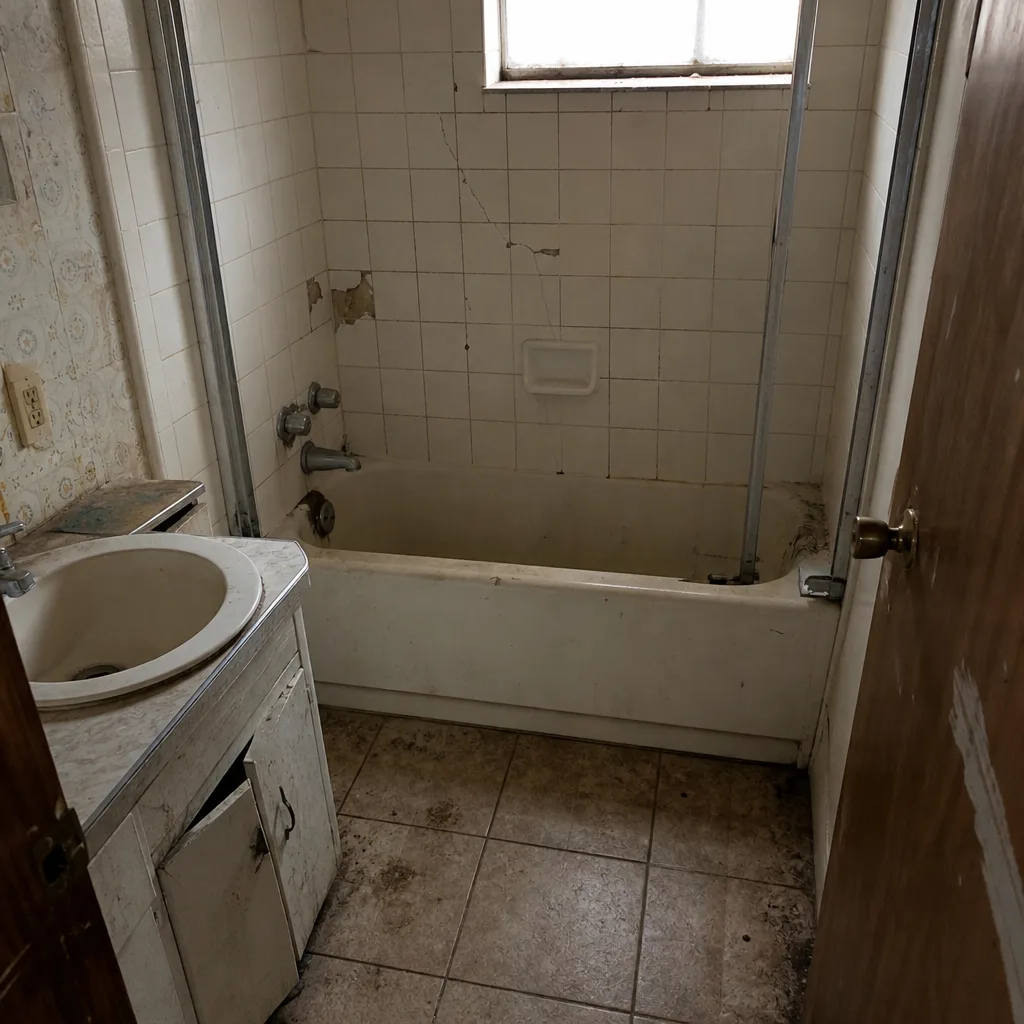 Before
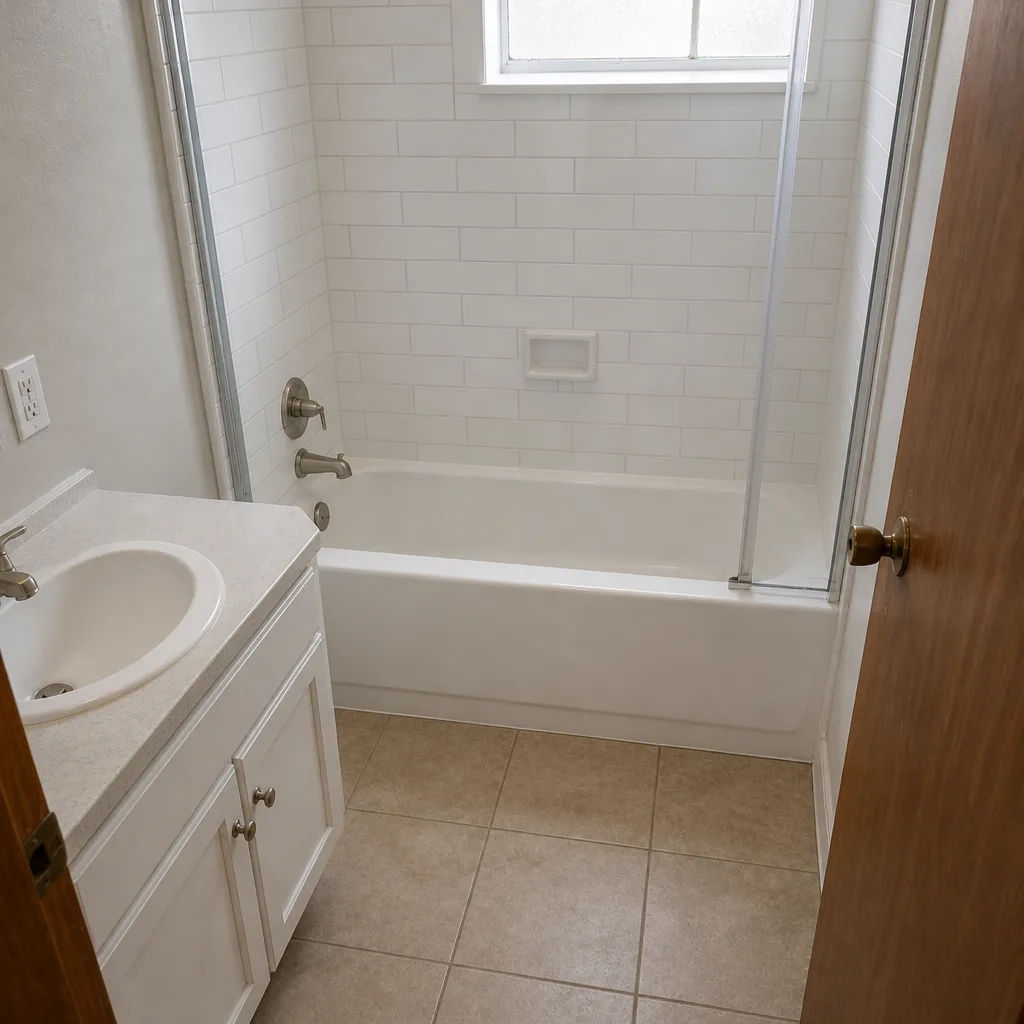 After
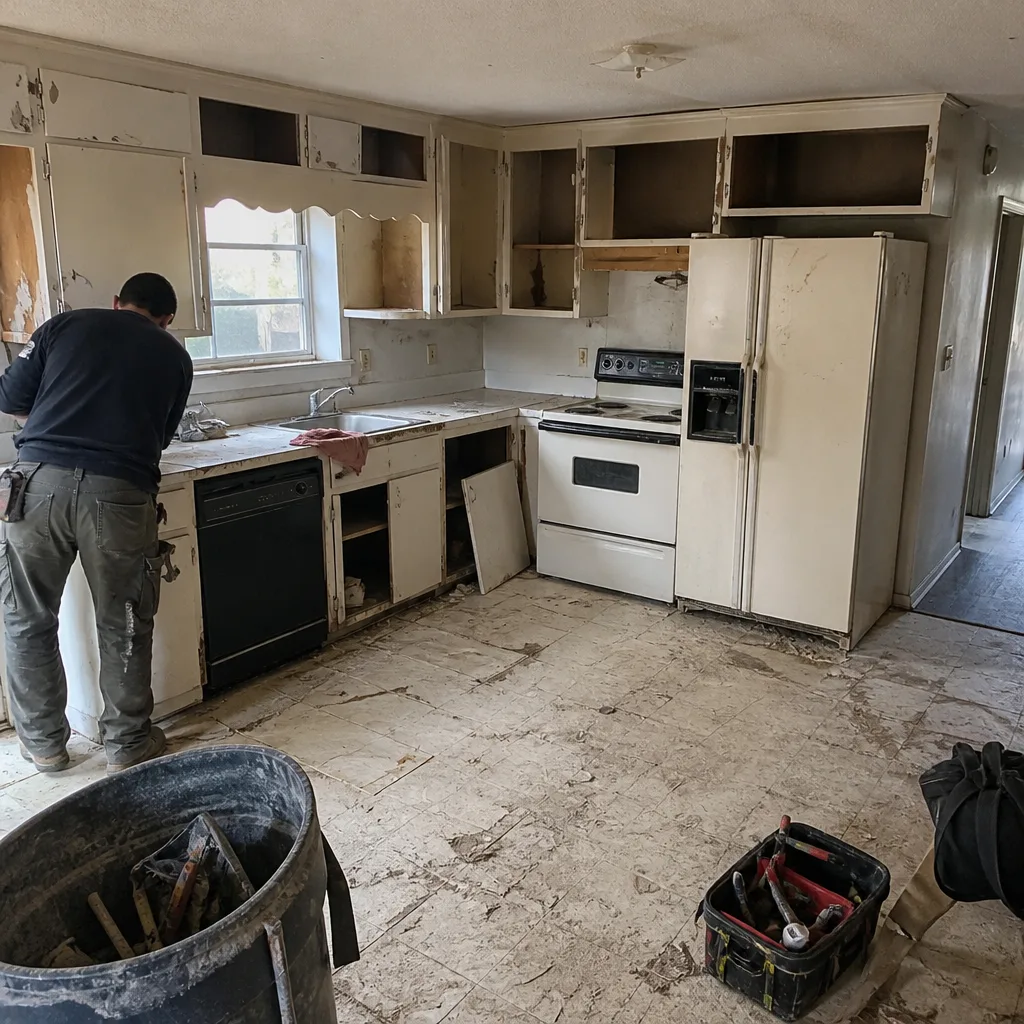 Before
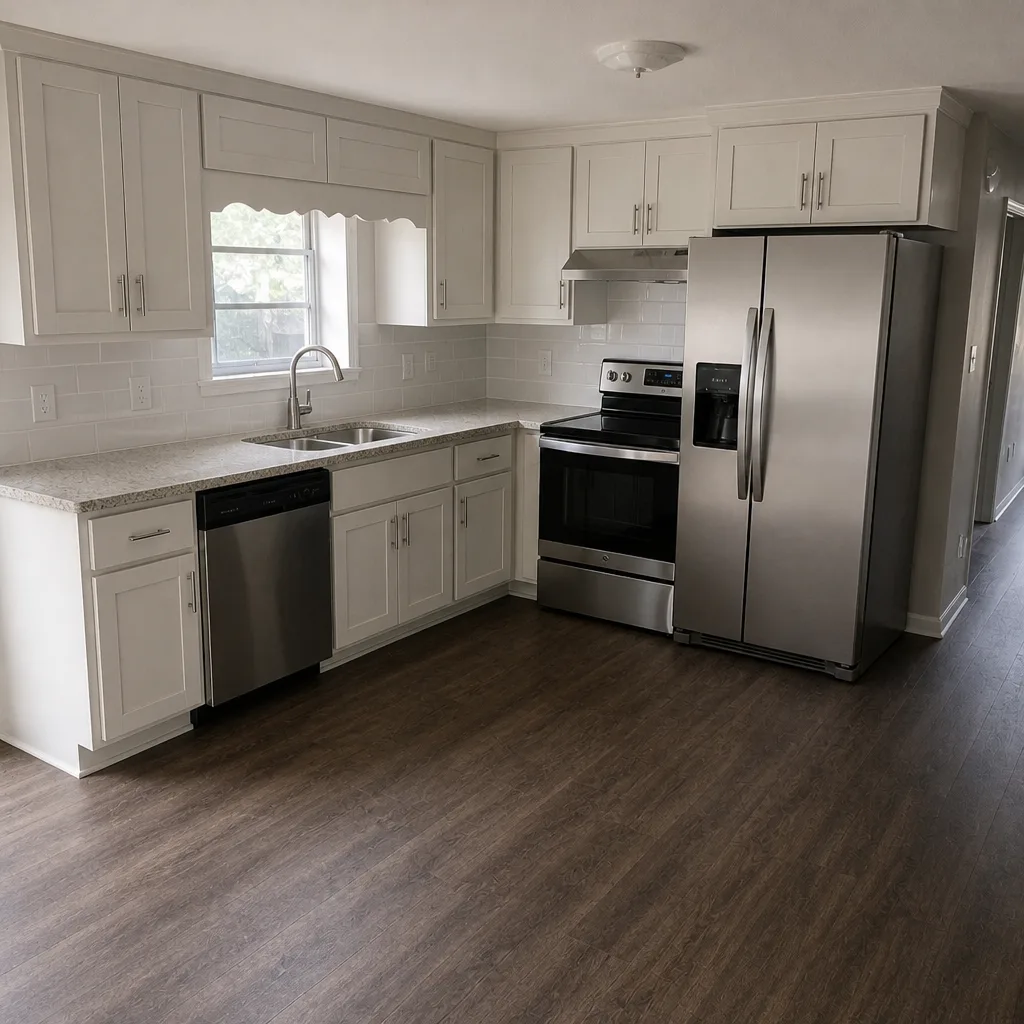 After
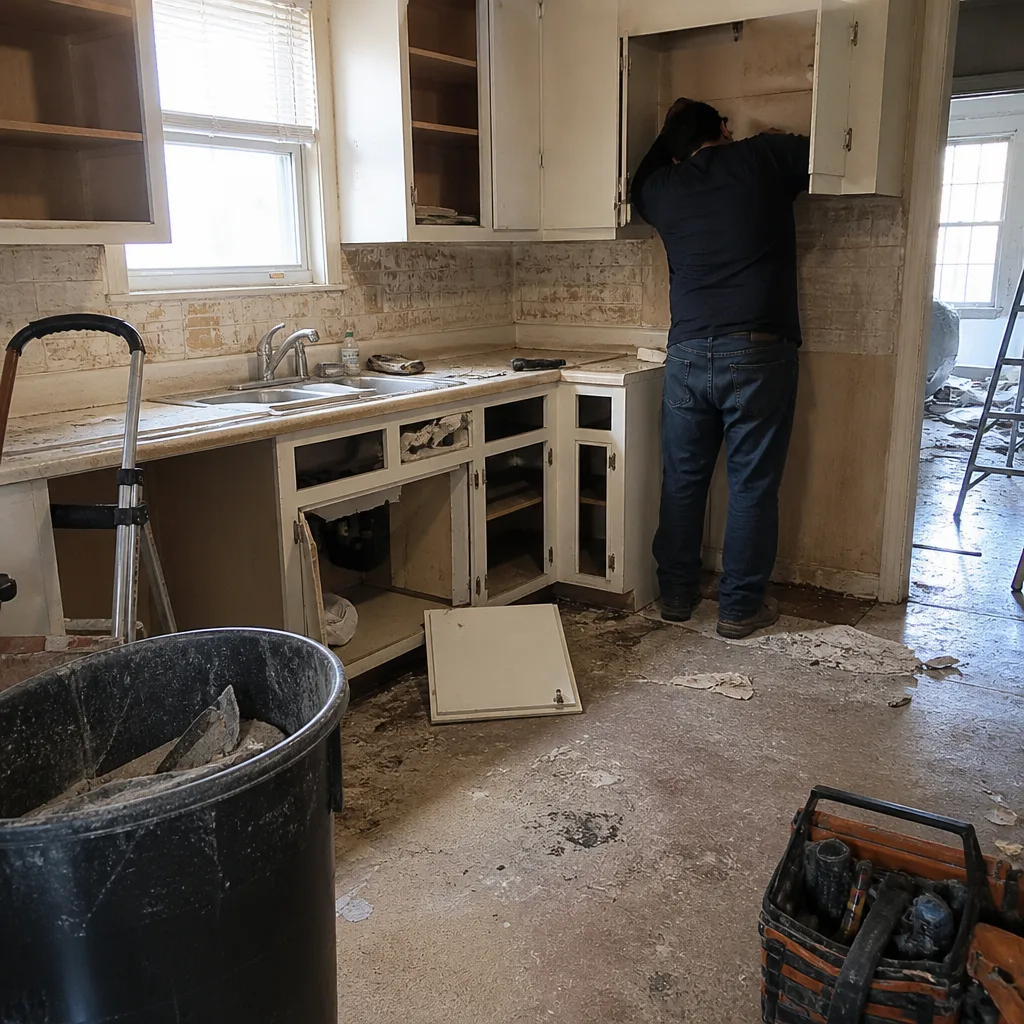 Before
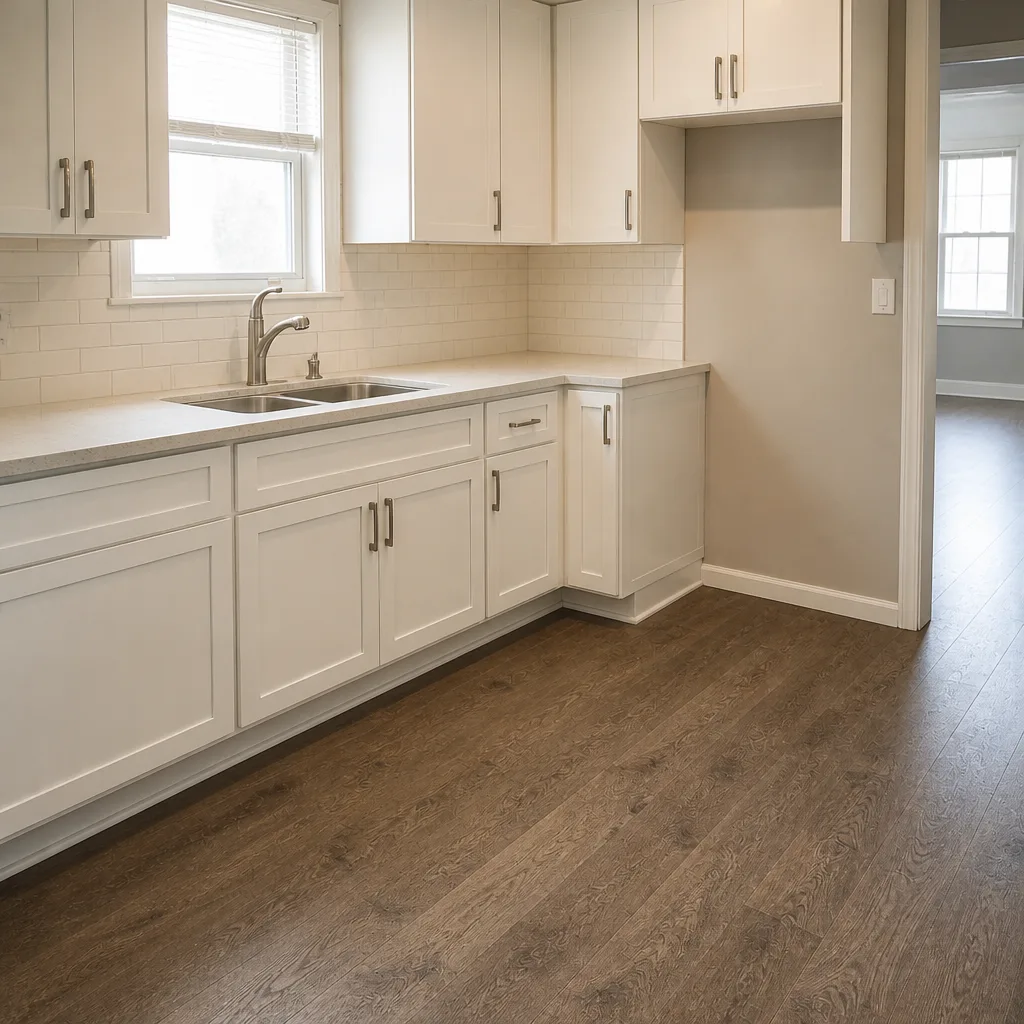 After
How to Stain a Wood Fence in Fort Worth (And Why Most DIY Jobs Fail by Year Two)
Stain a wood fence in Fort Worth by confirming the wood is below 15% moisture content, brightening any UV-grayed cedar with oxalic acid, and applying an oil-based penetrating stain in the September-October window when summer heat has passed but winter moisture hasn’t arrived. Most failed stain jobs here trace to one skipped step: staining wood that looks dry but is still holding 20%+ moisture deep inside. If you’d rather hand it to a crew that does this for a living, call Groundwork Construction Co. of Fort Worth at (855) 912-5373 for a free estimate.
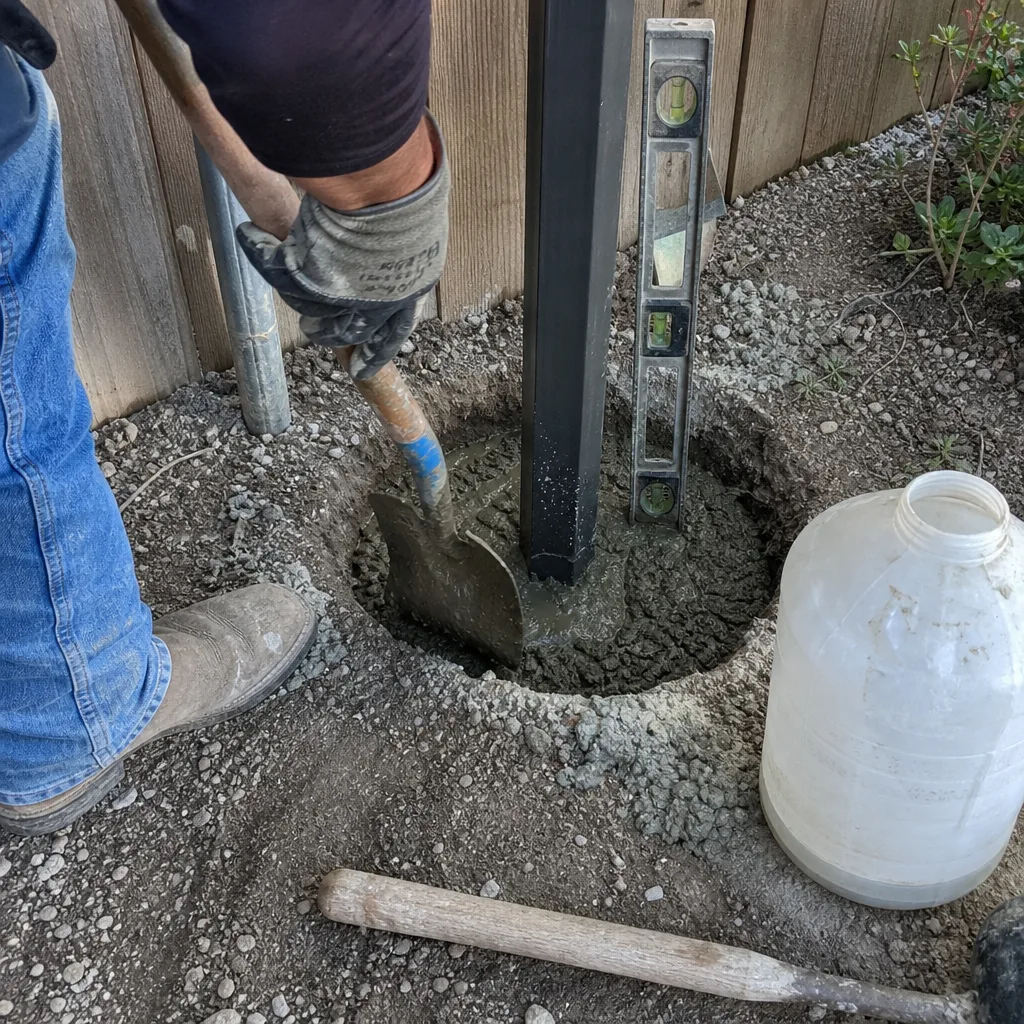
Staining a fence the weekend after a Fort Worth spring storm because it finally stopped raining is one of the most reliable ways to watch that stain peel before fall. The wood looks dry. It isn’t.
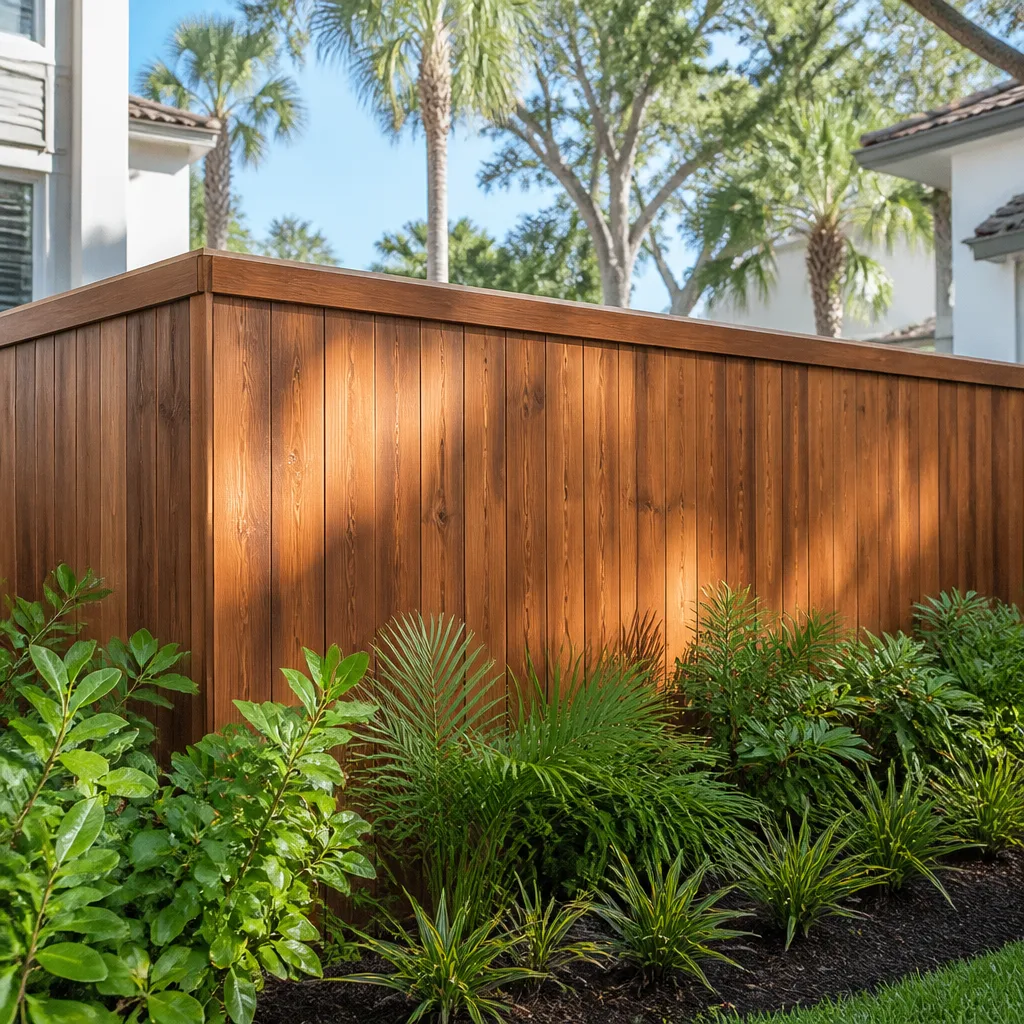
Key Takeaways
- North Texas cedar can read bone-dry on the surface and still hold trapped moisture for 72-96 hours after the last rain. A moisture meter isn’t optional here.
- A film-forming stain applied above 90°F won’t bond properly to the wood, and thermal expansion through a Fort Worth August will crack it.
- The best staining window isn’t spring after a winter fence inspection. It’s late September through October, once summer UV stress has passed and before the fall moisture season starts.
- New cedar from a contractor should sit 60-90 days before the first coat, so it acclimates to Fort Worth’s thermal swing.
Why Fort Worth Wood Fences Fail Faster Than the Instructions Promise
The generic “clean, dry, apply” guide assumes a mild climate and stable humidity. Fort Worth runs the opposite. Our summers push a high solar index for months, and the region’s wide seasonal moisture swings mean the wood is constantly expanding and contracting against a finish that can’t keep up if the prep was rushed.
The local housing stock makes it worse. You’ve got century-old Craftsman bungalows in Fairmount and Ryan Place sitting on pier-and-beam foundations with true-dimension lumber, and a few miles away, brand-new tract fencing in the northwest growth corridors past Loop 820 where the cedar goes up green. Both weather hard. Cedar that’s already survived even one North Texas summer takes on UV graying, and that graying literally closes the wood grain off. Stain can’t penetrate a sealed grain. That’s why a pressure wash alone won’t cut it on weathered fencing here. You need an oxalic acid brightener first to reopen the fibers and pull out the gray.
The UV factor matters just as much. In a climate with Fort Worth’s solar load, an oil-based penetrating stain will outlast a film-forming product nearly every time. Film finishes sit on top of the wood instead of soaking in, and under thermal expansion they crack and peel. Once a film stain cracks, it doesn’t re-bond well to dried wood, especially when you’re trying to touch it up above 90°F. A penetrating oil moves with the wood instead of fighting it.
What Stocking a Fence Job Actually Takes in North Texas
The moisture meter is the piece of equipment that separates a two-year finish from a six-year finish. Push the pins into a few boards on different sides of the fence, not just the sunny face. You want readings under 15% moisture content before a drop of stain goes down. After a rain event, give the fence 72-96 hours minimum, and check again. Humidity in Fort Worth can hold a false “dry” reading on the surface while the core stays wet. Stain over that wet core and you’ve trapped moisture behind a barrier, which is exactly how peeling starts.
The other thing to plan around is the calendar. Most homeowners inspect the fence after winter, see the wear, and want to stain it in spring. Spring is the wrong window here. You’re staining into the front edge of the wet season. The better window is September-October, after summer UV stress has done its damage but before the fall moisture settles in. That timing gives the stain a dry cure cycle before the rain returns.
For a fence installed by a contractor, wait 60-90 days before the first stain coat. New cedar needs to acclimate to Fort Worth’s thermal cycle so it stops moving, otherwise the finish goes on wood that’s still shifting. Any reputable builder should tell you that before they hand over the keys.
What It Costs to Stain a Fort Worth Fence Instead of Doing It Yourself
Most Fort Worth homeowners can expect to pay in the range of $3,500-$9,000 to have a wood fence properly prepped and stained by a crew. That’s a wide band because it depends on linear footage, condition, and what the prep actually requires. Here’s how the line items break down:
| Line Item | Typical Range |
|---|---|
| Full prep (wash + oxalic brightener) | Included in job scope |
| Penetrating oil stain, single coat | Included in job scope |
| Vinyl Fence Installation (for comparison) | $3,500-$9,000 |
| Aluminum Fence Installation (for comparison) | $4,000-$10,000 |
Worth pointing out: if the existing fence is failing at the posts and rails, staining is money thrown at a dying structure. That’s when a full replacement comparison matters. Our Fence Installation page covers the durability math on vinyl and aluminum, which sidestep the re-staining cycle entirely. If you’re going that route, it’s worth understanding what a simpler, lower-maintenance option looks like versus Fence Installation in Fort Worth, where we walk through material life spans in this climate.
Groundwork Construction Co. of Fort Worth uses a curated set of verified material brands across all seven of our service lines, and every project – fencing included – is covered by our 730-Day Done Right Promise: if it’s not done right, we make it right. That’s one of the longest workmanship guarantees in residential construction, and it’s there because a finish job in a climate like ours needs a real backstop.
Common Local Scenarios We See on Fort Worth Fence Jobs
Fairmount and Ryan Place: older bungalow blocks where the fencing is often post-and-rail on short-staple cedar that’s been up for a decade or more. These need brightener more than anything else, because a single summer here grays the surface fast.
Northwest growth corridors past Loop 820: newer builds where the fence is only two or three years old but went up green cedar from a tract builder. Homeowners here are often staining too early. That wood still needs the 60-90 day acclimation before it’s ready.
Near Southside: tight lots where the fence sits in partial shade for much of the day. Shade holds moisture longer, so the moisture meter readings come back different ballpark on the shaded side versus the sun side. Those fences need staggered timing, not a single all-in-one weekend.
Post-storm repairs: after a spring hail or a north-Texas straight-line wind event, damaged sections get replaced and the new boards won’t match the stained ones. That’s a patch-and-match job, and the moisture-content check matters most on the fresh lumber.
When It’s Worth Calling a Pro Instead
Staining a fence is fair weekend work if you own a moisture meter, are comfortable with oxalic acid handling, and can work around the calendar. Where it pays to bring in a crew: the fence has significant weathered gray, you can’t get a reliable moisture reading, or you’re trying to coordinate the work around a full home improvement schedule. Our technicians have up to 12 years of experience on jobs across the full range of surfaces, from historic-district renovations to greenfield new construction. If you want the whole scope handled from foundation to finish line, that includes the fence.
Wherever you’re improving the property, the same upfront principals apply: the pricing is set before work begins, upfront pricing with no surprises. We also keep home improvement resources available if you’re planning multiple exterior projects at once.
FAQs
Late September through October is the ideal window in Fort Worth. Summer UV stress has passed, the wood has stopped moving from the heat, and the fall moisture season hasn’t started, giving the stain a clean dry cure. Spring is the instinctive choice after winter inspection, but it’s the worst window here because you’re staining into the front edge of the wet season.
Wait 60-90 days after installation before the first stain coat. That gives the new cedar time to acclimate to Fort Worth’s thermal cycle so the wood stops shifting. Any reputable builder should tell you this before handover, not after.
Almost always one of two causes: the stain went on wood that was still above 15% moisture content, or a film-forming product was used instead of a penetrating oil. North Texas UV and thermal expansion crack film finishes and trap moisture underneath. Check the moisture meter first – if readings are under 15% and you used penetrating oil, the failure is likely prep-related, meaning the grayed grain never got reopened with an oxalic brightener. Call (855) 912-5373 if you’d like us to look at it; estimates are free.
Yes, a moisture meter is the one piece of equipment you shouldn’t skip here. Cedar in North Texas can read dry on the surface while holding moisture for 72-96 hours after rain. That’s the difference between a two-year finish and a six-year finish. Call (855) 912-5373 if you’d rather have a pro check it before you commit to a weekend of work.
Get a No-Pressure Fence Assessment in Fort Worth
If you’d rather have it looked at than guess at moisture readings, Groundwork Construction Co. of Fort Worth offers a no-pressure assessment in Fort Worth. We’ll check the wood, tell you straight whether staining is the right move or whether the fence is past saving, and hand you upfront pricing before anything starts. Call (855) 912-5373 for a free estimate. Live person, 24/7, no voicemail.
Written by the team at Groundwork Construction Co. of Fort Worth, serving Fort Worth, TX.