Free written scope consultation - allowances, timeline, and change-order rules on paper before a single trade is scheduled
Styles & brands we work with
- Kitchen remodeling
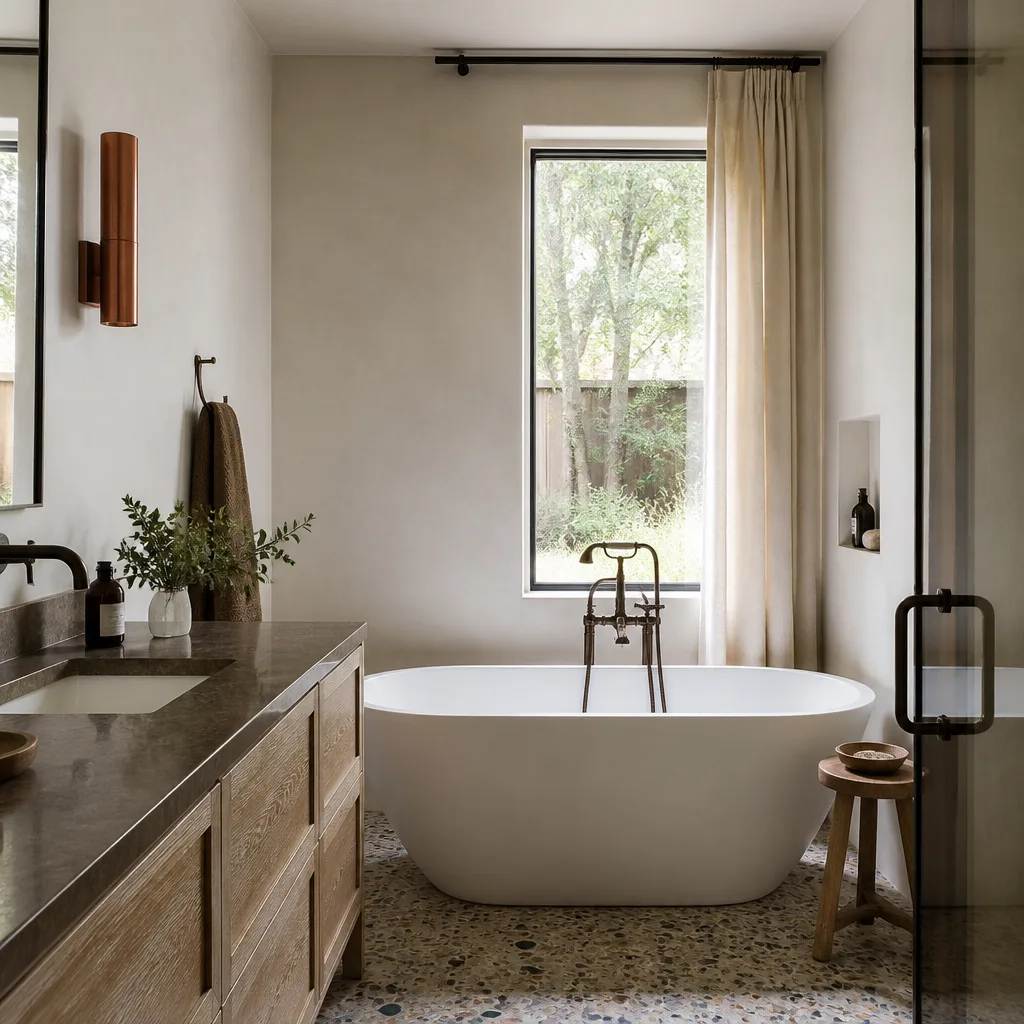
- Bathroom remodeling
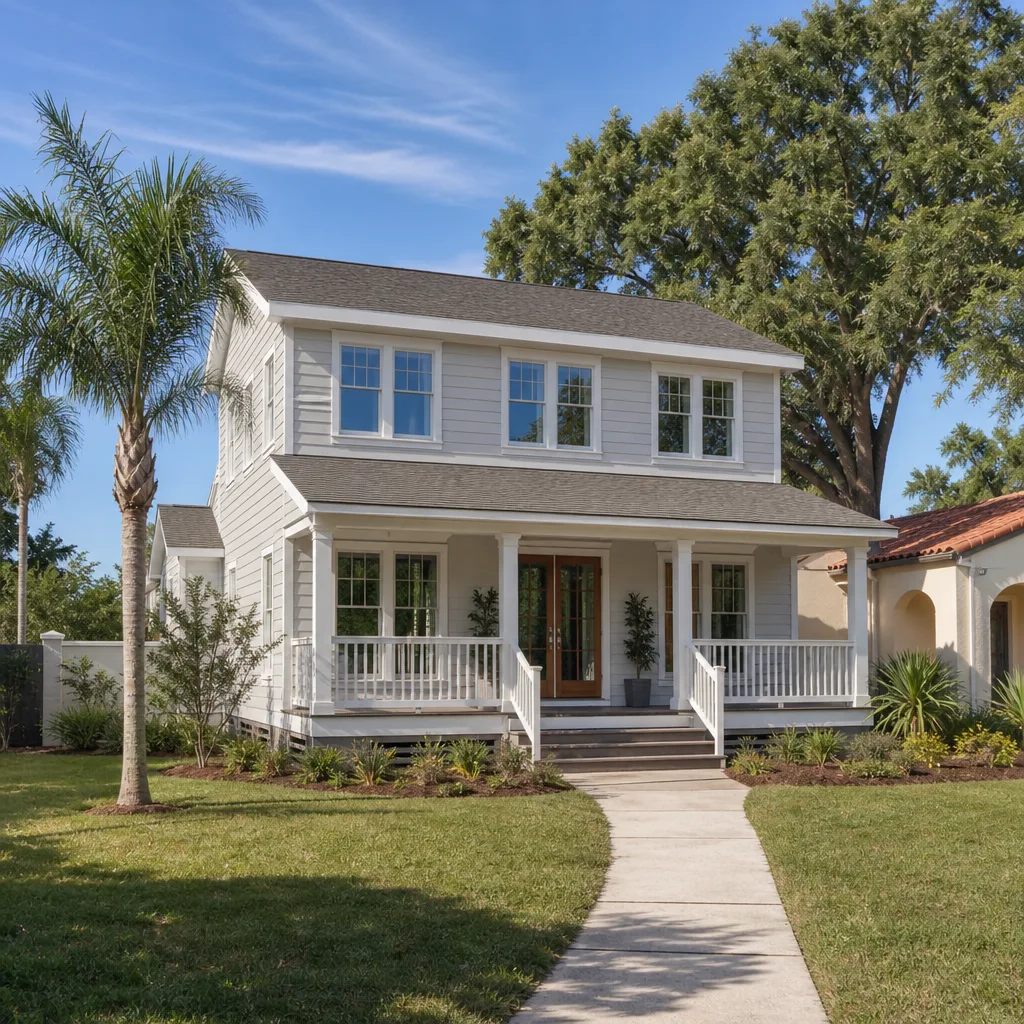
- Home additions & ADU
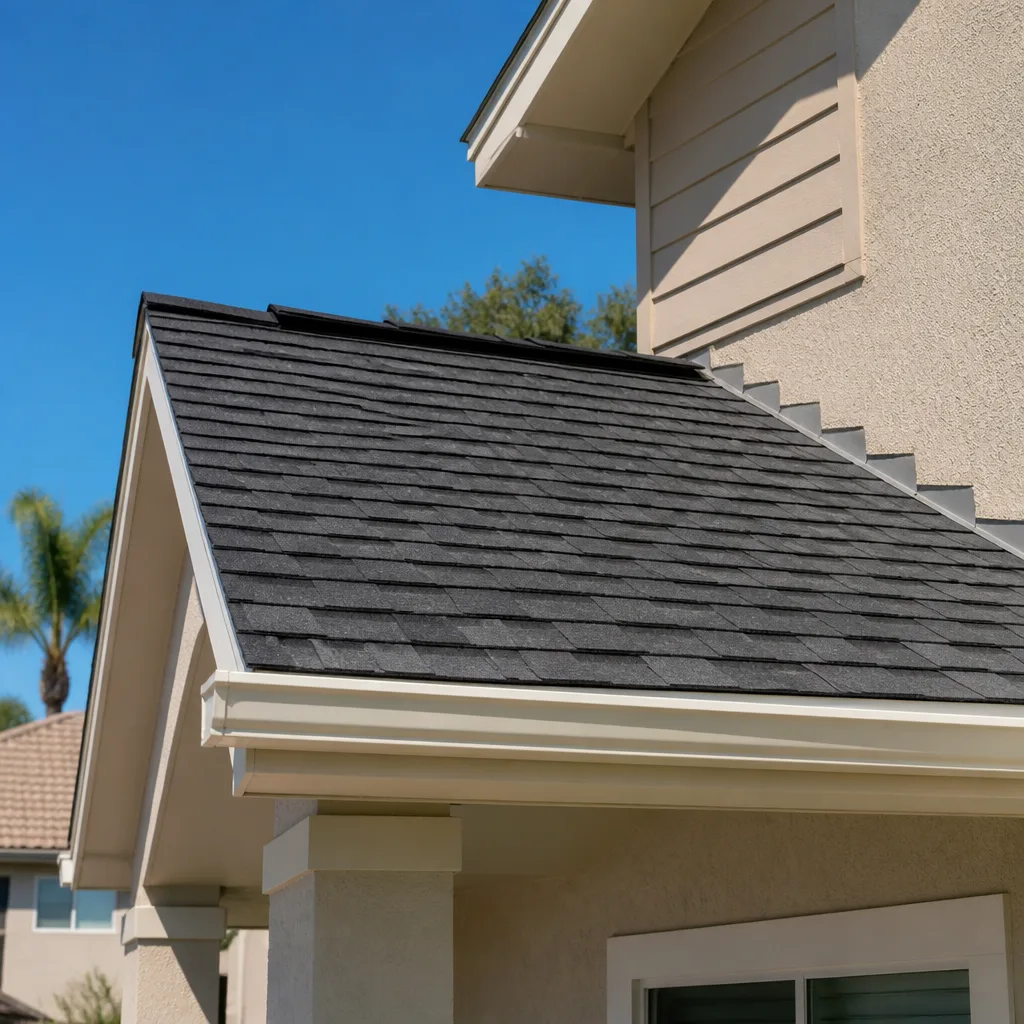
- Roofing
- Windows & doors
- Driveway & pavers
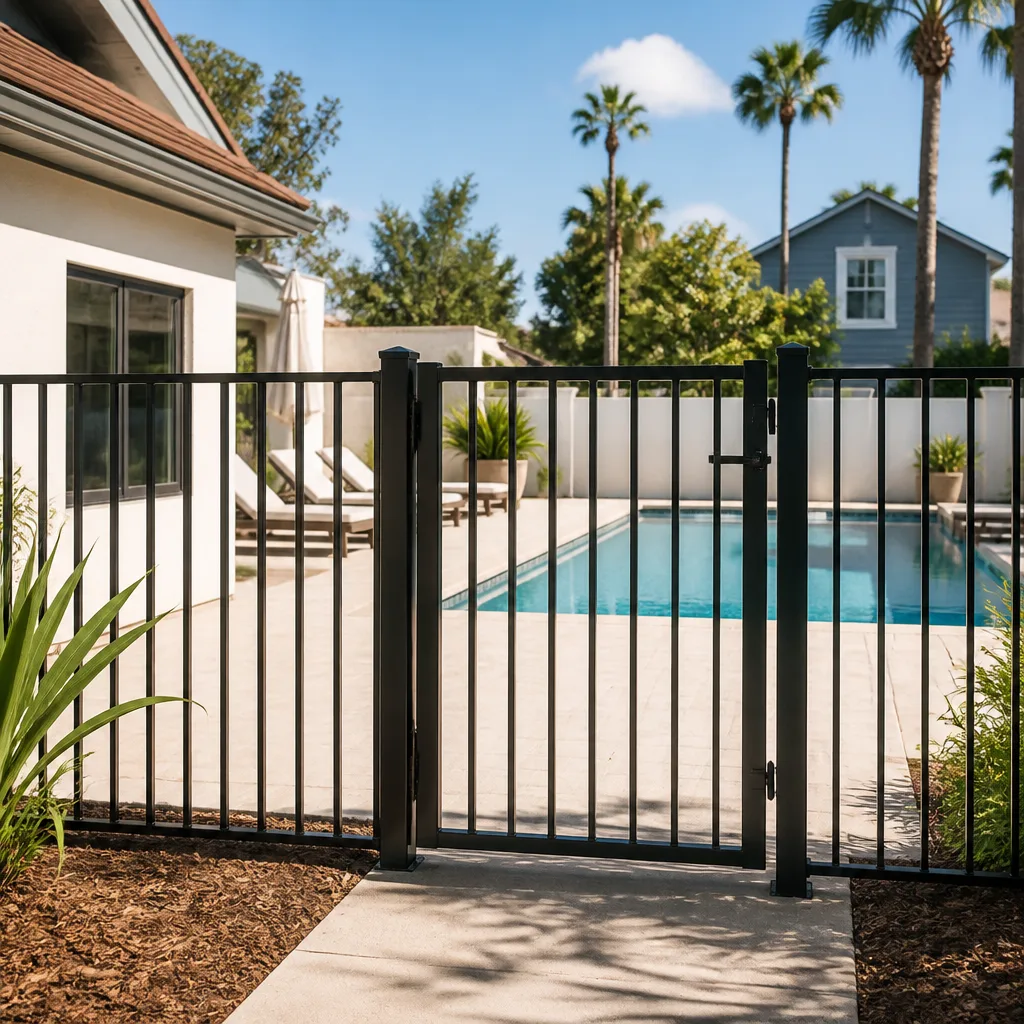
- Fence
See the difference
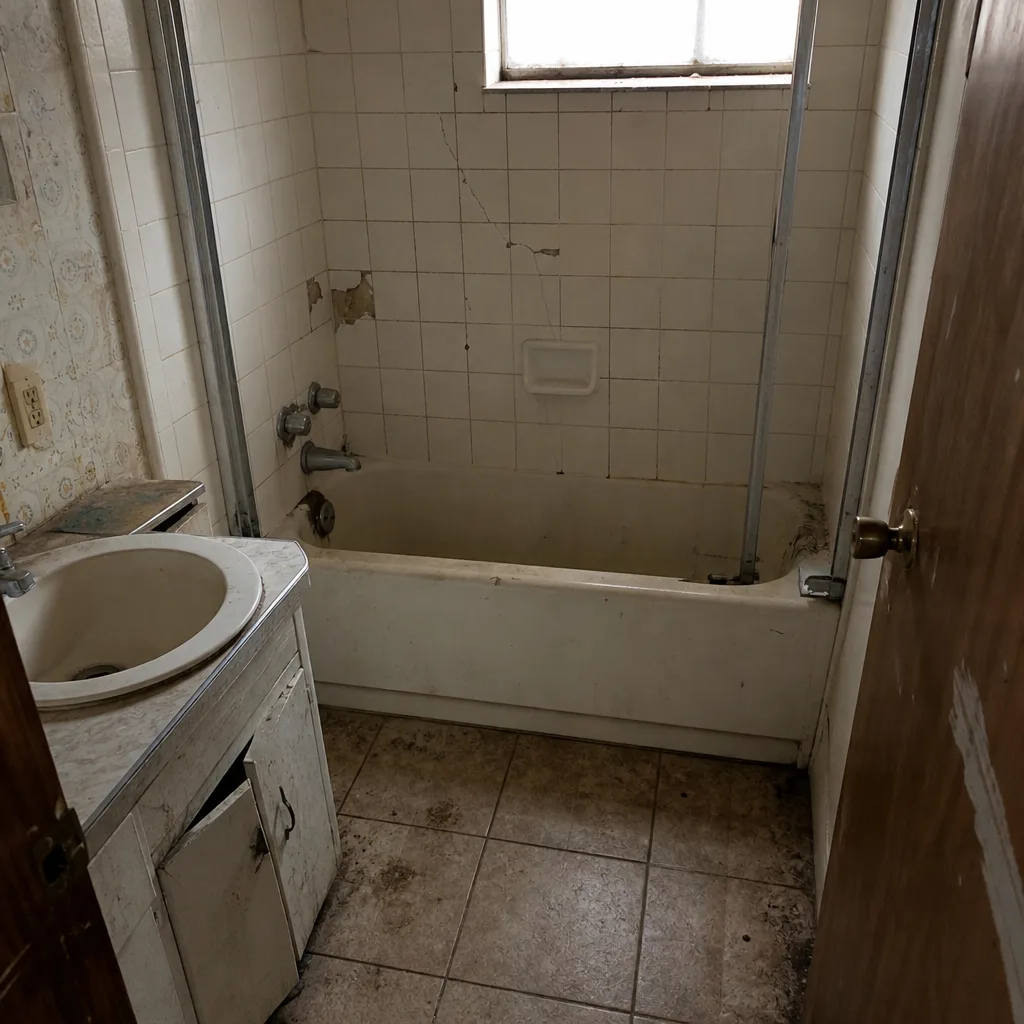 Before
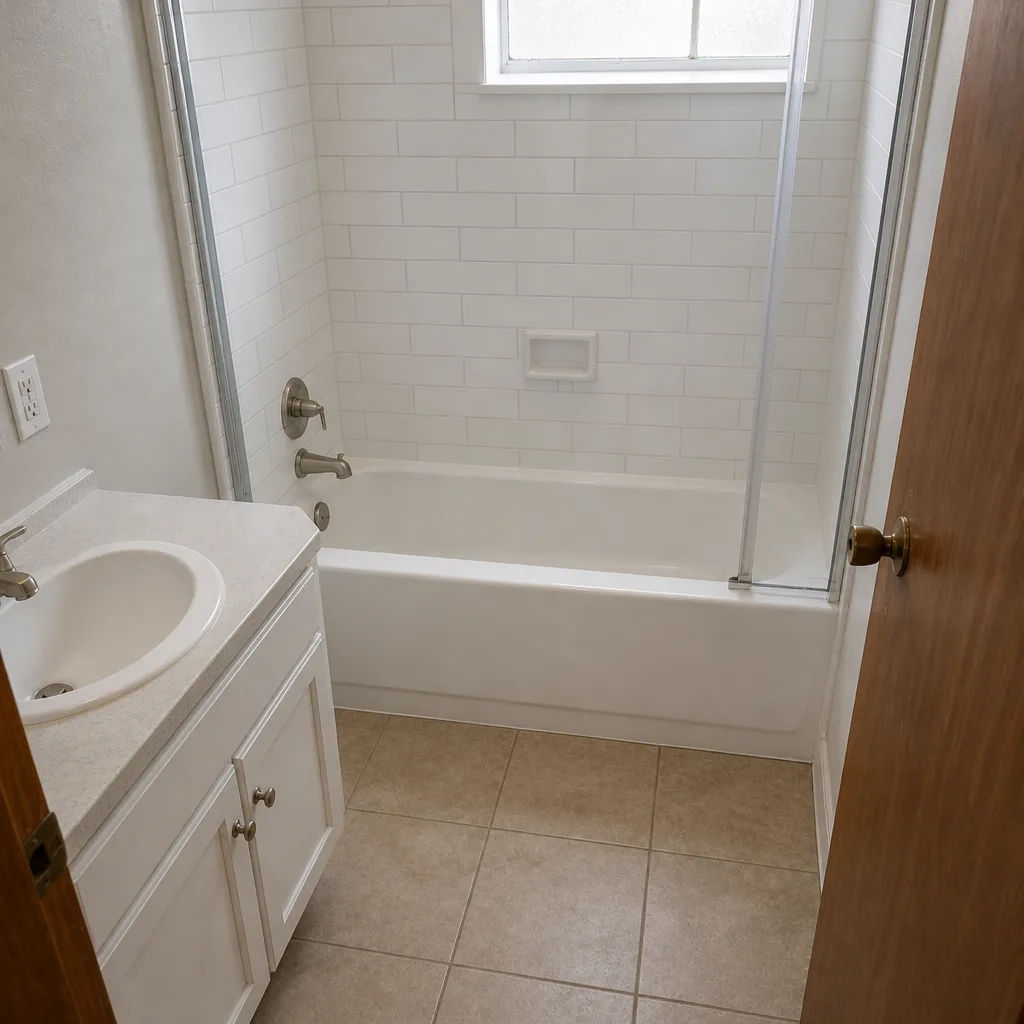 After
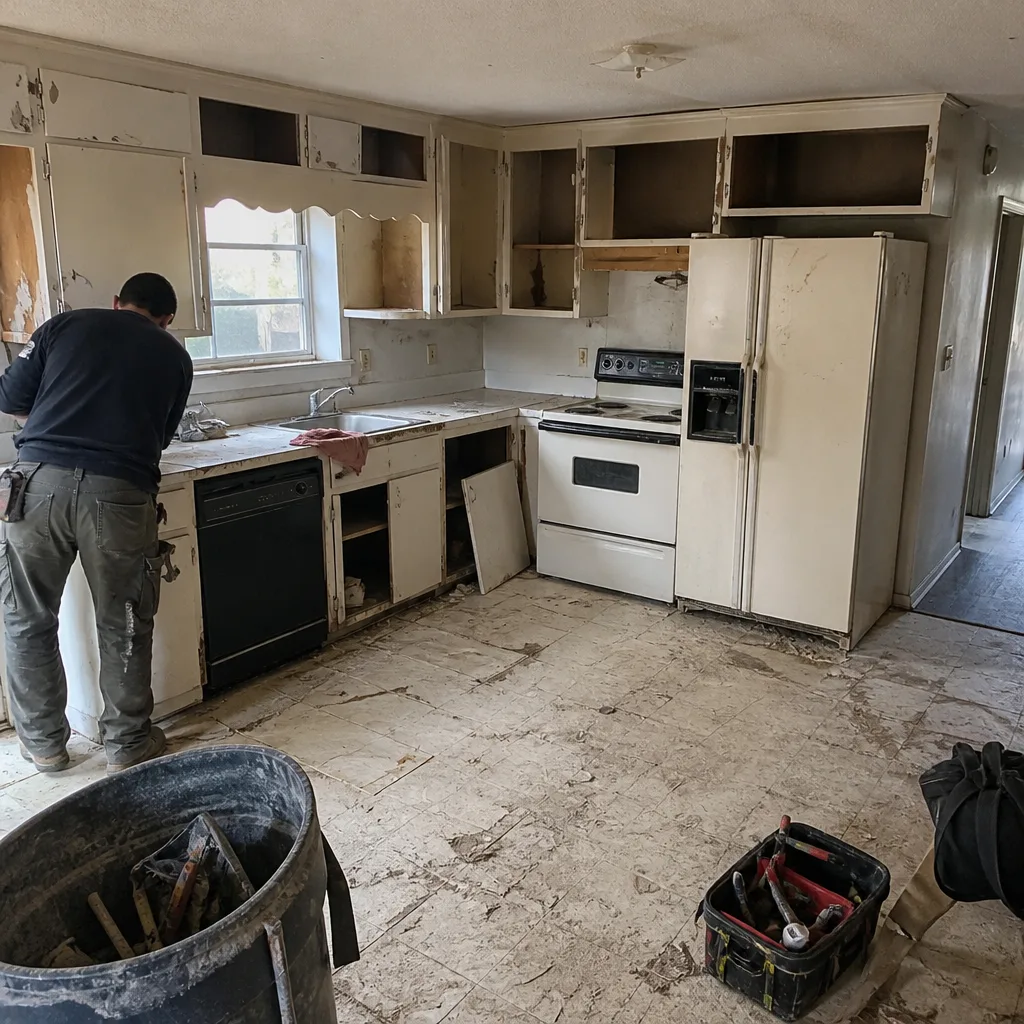 Before
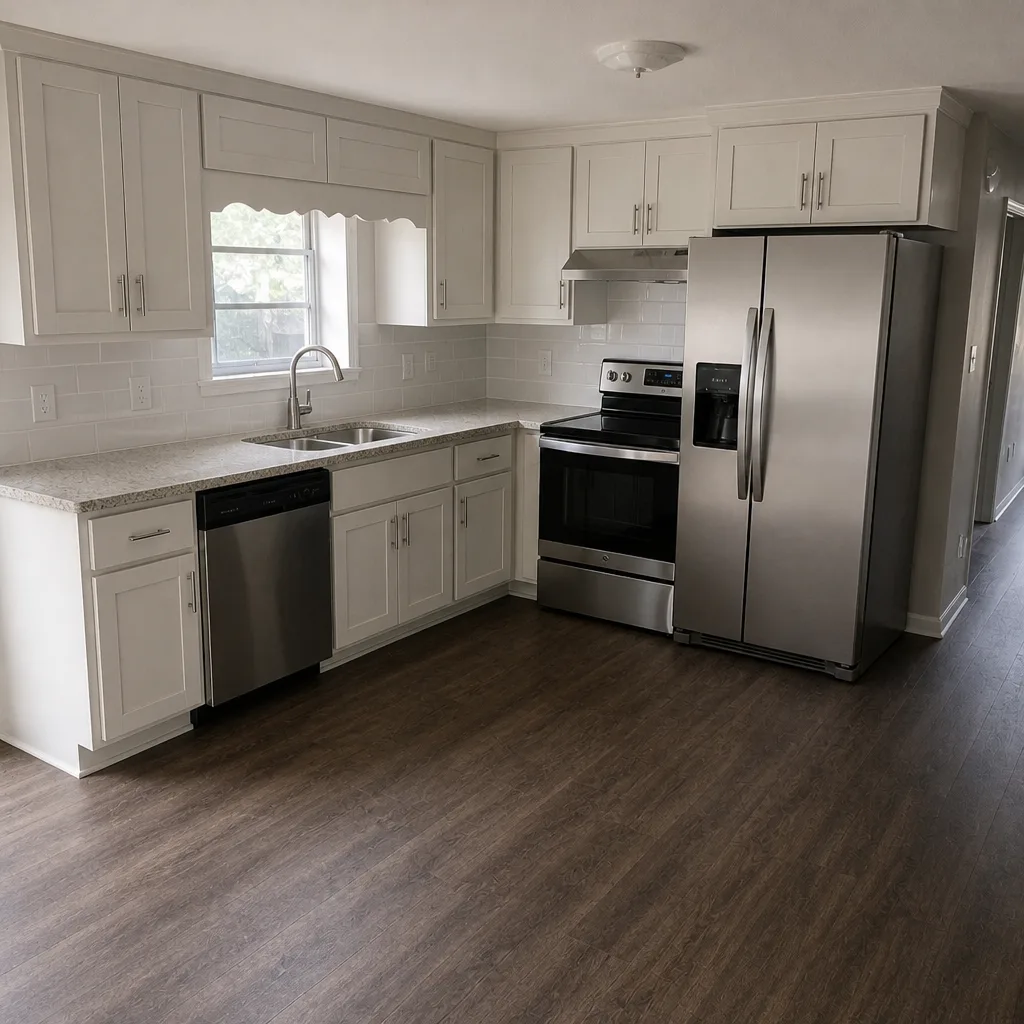 After
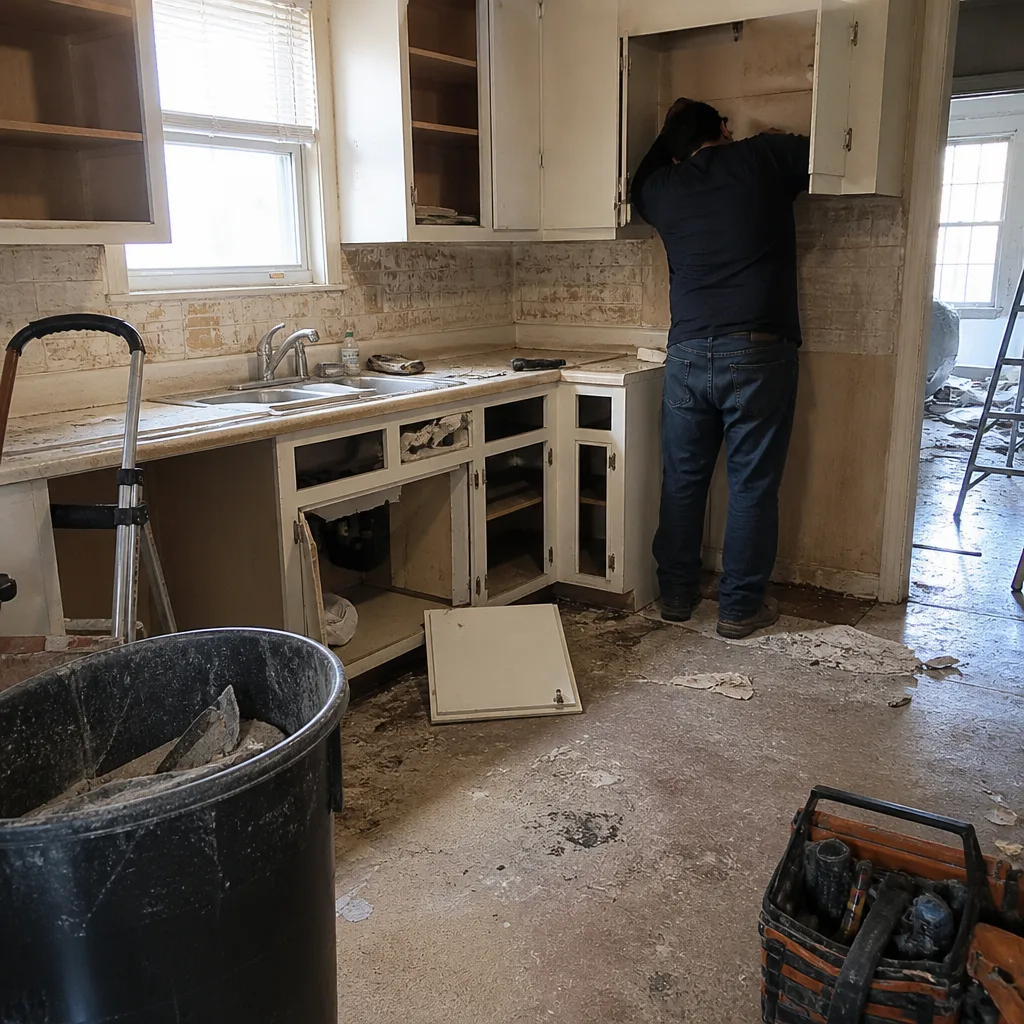 Before
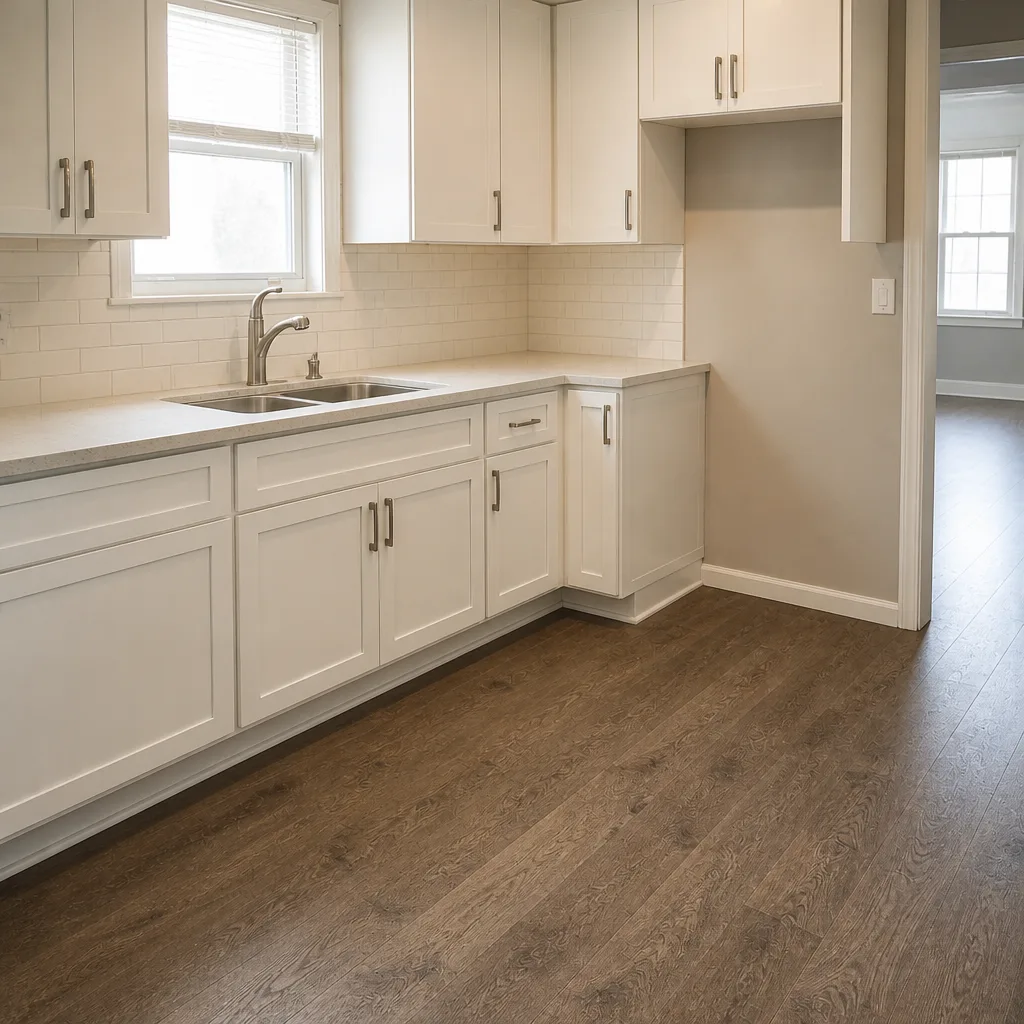 After
Signs You Need to Replace Your Windows in Fort Worth, TX
The most reliable signs you need to replace your windows in Fort Worth are seasonal sticking that tracks with black clay soil movement, fogging or condensation trapped between the panes, and single-pane wood sashes whose glazing putty has dried and crumbled. Those three failures point to replacement, not repair. If a window is hard to open only in July and August, your first instinct is “it’s just swollen from humidity.” In Fort Worth, it’s more likely your pier-and-beam or slab foundation has shifted the frame – and that’s not a window problem you can weatherstrip away. Call (855) 912-5373 and a live person answers, day or night.
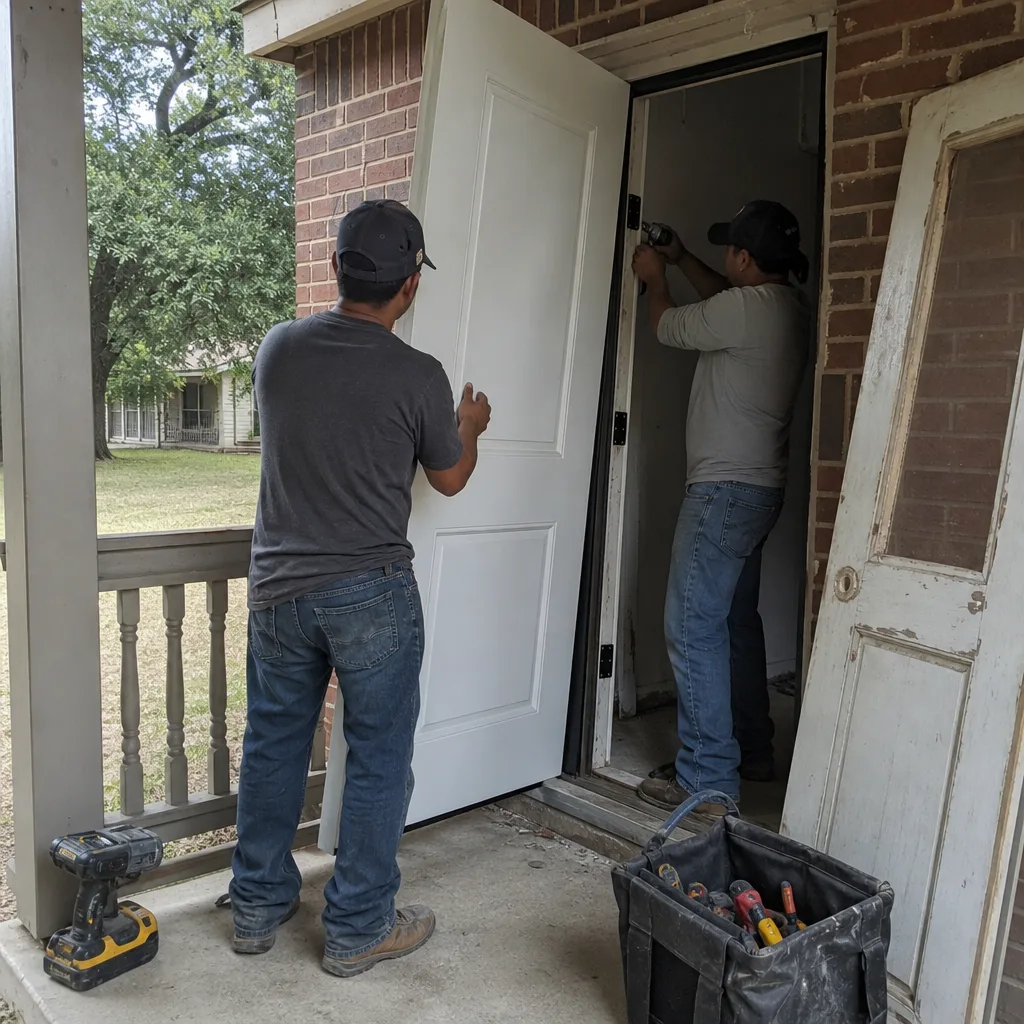

Why Fort Worth Windows Fail Differently Than the National Guides Predict
Most window-replacement articles are written against a northern-climate baseline: cold winters, moderate summers, homes that settle gradually. Fort Worth doesn’t work that way. We sit on expansive black clay soils that swell when wet and shrink hard in drought, under a summer sun that pushes the UV index to the extreme range for months, with thermal cycling that swings from triple-digit heat to occasional ice storms.
That combination produces two failure patterns that generic checklists skip entirely: frame racking driven by soil movement, and seal failure that arrives ahead of the manufacturer’s national average. The local stock makes it more complicated. Early-1900s Craftsman and bungalow blocks in Fairmount, Ryan Place, and around the Stockyards carry original true-dimension lumber and pier-and-beam foundations, while mid-century ranch brick on the east side and new tract builds past Loop 820 toward Alliance and Walsh Ranch bring slab-on-grade and vinyl. Each one fails on a different timeline, so the diagnostic checklist you use depends on which house you’re standing in.
Sign 1: Your Windows Stick Seasonally – That’s Your Foundation Talking
A window that’s stiff in summer and loose in winter is exhibiting frame racking. When the clay under a Fort Worth home takes on water it lifts and swells, then shrinks back as the soil dries, and each cycle racks the rough opening a little. The sash no longer sits square in the frame, so it binds against the jamb when the wood swells in the humid months.
Homeowners usually reach for a hardware fix: new rollers, a shot of lubricant, a plane to the sash edge. That treats the symptom. On a pier-and-beam home, or a slab that’s begun to move, a window that racks seasonally is a foundation-linked signal. Replacing the window with a heavier, better-sealed unit can be part of the answer, but it’s worth having the movement looked at first so the new frame isn’t installed into a wall that’s still shifting. Our technicians have up to 12 years of experience reading that difference, and we’ll tell you honestly when the window is the problem and when it’s a symptom.
Watch for the pattern rather than a single incident: hard to open in July, rattles loose by January, hard again the next July. That rhythm is the tell.
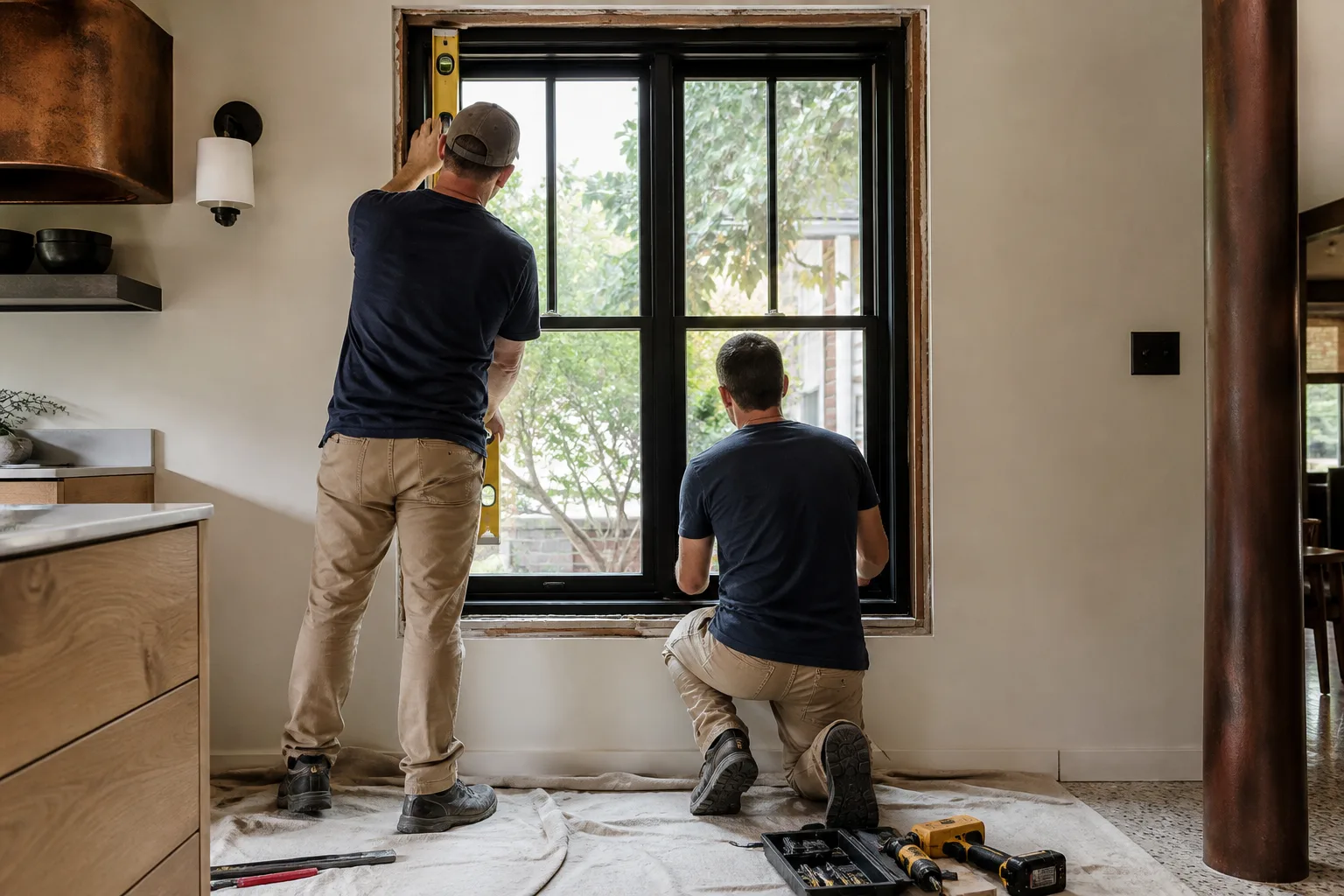
Sign 2: Seal Failure Arrives Earlier Here Than the Charts Say
An insulated glass unit (IGU) is two panes sealed around a desiccant-filled spacer. Every manufacturer publishes a national average lifespan, and Fort Worth beats it down by roughly 20-30%. Extreme solar exposure on south- and west-facing glass, plus the thermal cycling between 105°F afternoons and the ice-storm nights that hit North Texas every few years, works the seal and the spacer harder than a mild climate ever will.
The most common Fort Worth failure we see isn’t a shattering – it’s a seal that quietly lets moisture past the spacer. The window looks fine until you notice the glass has gone hazy, milky, or streaked along the bottom edge. That haze is the desiccant saturated and the unit fogged from the inside. No amount of cleaning fixes it; the glass has to be replaced, and at that point you’re weighing a glass swap against a full window replacement.
Sign 3: Read the Condensation Correctly – Three Different Problems
Most guides lump condensation together. In Fort Worth you need to distinguish three patterns, because they mean entirely different things:
- Interior condensation – moisture on the room-side glass during our humid spring months. Usually a humidity and ventilation issue, not a window failure. Run bath and kitchen fans, and check the window’s performance before condemning it.
- Condensation or fogging between the panes – a failed seal. The gas has escaped and moisture has entered. This one means the unit is done.
- Exterior condensation – moisture on the outside of the glass on a cold morning is a sign the window is performing well. The insulated unit is keeping the cold out, which is exactly what you want.
Getting that distinction right saves Fort Worth homeowners from replacing windows that are fine and from ignoring the ones that aren’t.
Sign 4: The Craftsman and Bungalow Checklist for Fairmount and Ryan Place
If you’re in a 1920s bungalow in Fairmount, Ryan Place, or the historic blocks near the Stockyards, your failure indicators are different from a vinyl-frame home in Keller or a new build in Walsh Ranch. Original single-pane wood windows fail on:
- Glazing putty shrinkage – the putty that holds the glass dries and cracks, letting water into the sash and rotting the wood behind it.
- Paint-sealed sashes – layers of paint bond the sash to the jamb and the window stops opening at all.
- Rotted sill and sash corners – soft wood that a probe finds before your eye does.
- Failed weatherstripping and broken sash cords – drafts and windows that won’t stay up.
Those neighborhoods also carry design-review overlays, and window replacement on a historic home can stall on that review if the wrong unit goes in. That’s a Fort Worth-specific planning step, and it’s part of the conversation we have before a single window is ordered. For the full scope of what we install, see our Windows & Doors page and our home page for how we work.
What Window Replacement Costs in Fort Worth
Fort Worth window replacement runs $4,500 to $15,000 for a typical whole-home project, depending on unit count, frame material, and whether the home needs rough-opening repairs from foundation movement. Impact window installation, which many Fort Worth homeowners consider given the spring hail and straight-line wind events, falls in the $8,000 to $25,000 range. Here’s how the line items break out:
| Scope | Typical Fort Worth Range |
|---|---|
| Window replacement (whole home) | $4,500 – $15,000 |
| Impact window installation | $8,000 – $25,000 |
| Seal-failure glass replacement (IGU swap) | Quoted per unit – often less than full replacement |
We work with ES Windows and ECO Window Systems, so you’re choosing on performance and fit rather than whatever happens to be available. Upfront pricing means the number you see is the number you pay, with no surprises once the old frames come out. Our standing promotions – $1,000 off projects over $10,000, a free project estimate and design consult, and 0% financing for 18 months – put a whole-home replacement within reach without a lump sum. Every install is covered by the 730-Day Done Right Promise: if it’s not done right, we make it right.
When to Call and When to Wait
A stuck sash, a foggy pane, or a draft you can feel across the room is reason enough to get an assessment. Small issues get cheaper when they’re caught before the frame rots or the movement worsens. But there’s a different reason to call than a seasonal sticking problem: Fort Worth weather doesn’t wait for business hours. A hail event cracks a pane at 9pm on a Sunday, or a sudden draft shows up after a cold front rolls through. Groundwork Construction Co. of Fort Worth answers calls with a live person 24/7 – no voicemail, no waiting until Monday – so the diagnosis can start the moment you notice it. Background-checked, uniformed technicians handle every job, and with Fort Worth service area coverage spanning the historic neighborhoods and the new construction out west, we’re set up to handle both ends of the city’s housing stock.
FAQs
Seasonal sticking is the giveaway: a window that’s hard to open in summer and loose in winter is showing frame racking from black clay soil movement. On a pier-and-beam home or a slab that’s shifting, check whether the difficulty tracks with the wet-dry cycle rather than staying constant. If it does, have the foundation looked at before ordering windows. Call (855) 912-5373 for a free assessment – estimates are free.
A fogged or hazy pane means the sealed unit has failed and moisture has gotten past the spacer. In many cases the glass unit can be replaced without pulling the whole window. Whether that’s the right call depends on the frame’s condition and the window’s age – on a Fort Worth home hitting the 20-30% accelerated seal-failure window, a full replacement often makes more sense. Call for an exact quote on which option fits your home.
Window replacement in Fort Worth typically runs $4,500 to $15,000, and impact window installation runs $8,000 to $25,000. Your number depends on how many units you’re replacing, the frame material, and whether the openings need repair from soil movement. Call (855) 912-5373 for a free estimate – we’ll put the number in writing upfront.
Restoration can be the better choice if the wood is sound and the failure is limited to glazing putty, paint-sealed sashes, or weatherstripping. Replacement makes more sense once the sash or sill has rotted or the single pane is driving your energy bills. Either way, check the design-review overlay for your block first – what passes in a new subdivision won’t pass on a 1920s bungalow block. Call to talk through the options with no pressure.
If you’d rather have it looked at than guess, Groundwork Construction Co. of Fort Worth offers a no-pressure assessment anywhere in Fort Worth – call (855) 912-5373. We’ll tell you what’s failing, what can wait, and what it costs before anything gets ordered.
Written by the team at Groundwork Construction Co. of Fort Worth, serving Fort Worth, TX.