Free written scope consultation - allowances, timeline, and change-order rules on paper before a single trade is scheduled
Styles & brands we work with
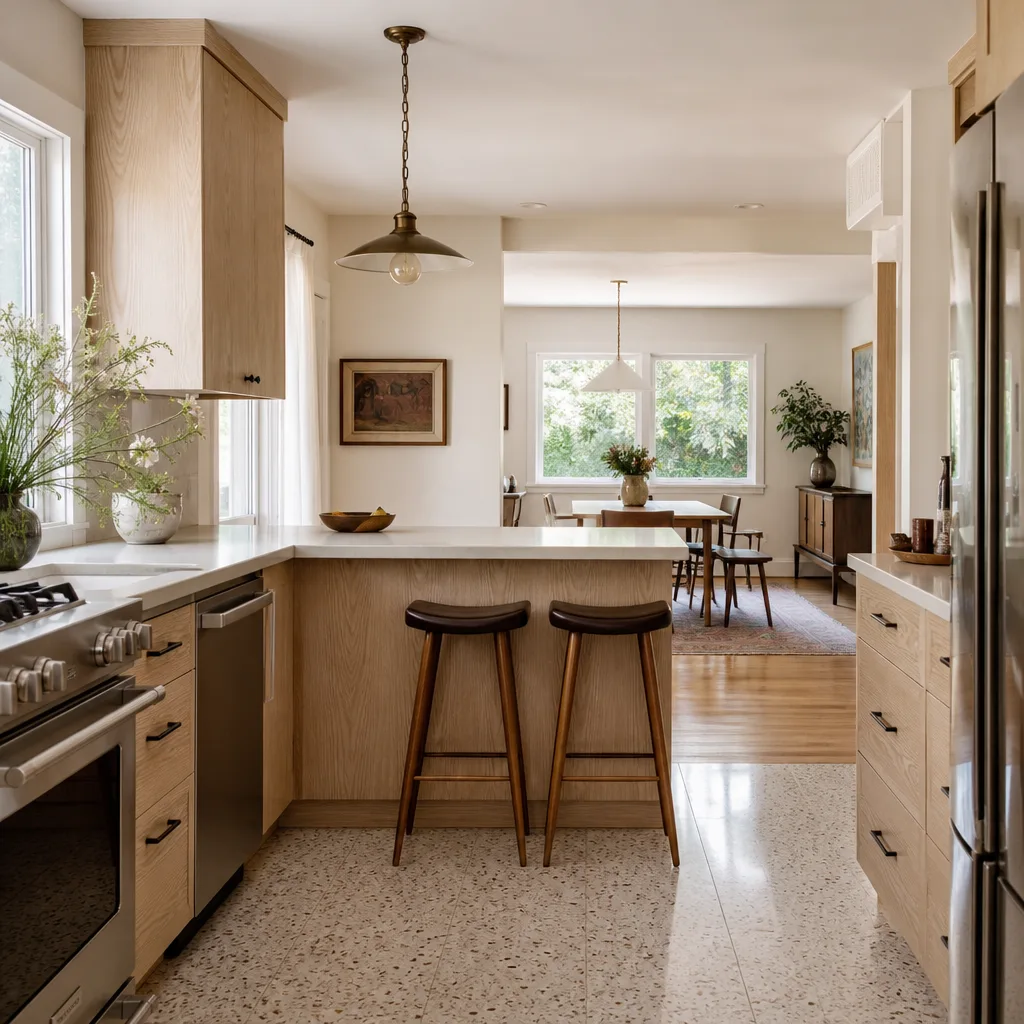
- Kitchen remodeling
- Bathroom remodeling
- Home additions & ADU
- Roofing
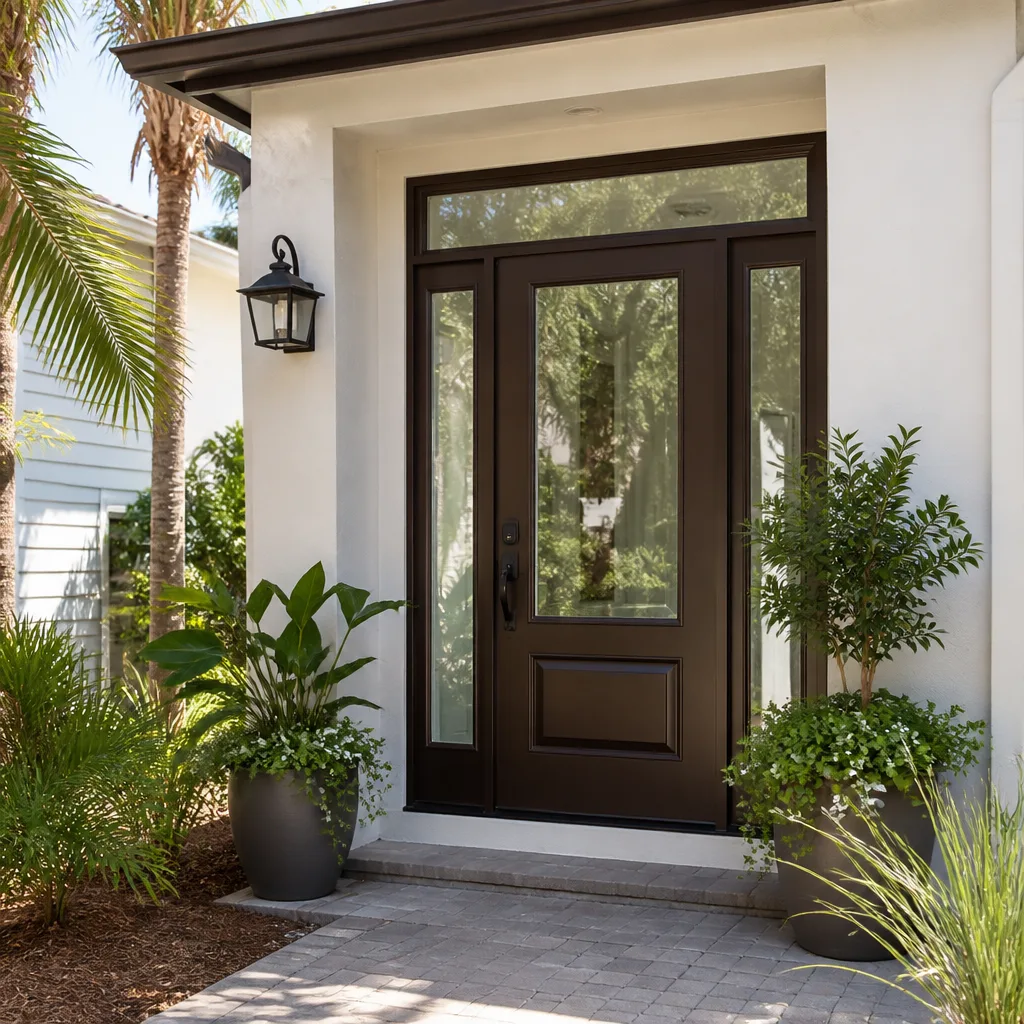
- Windows & doors
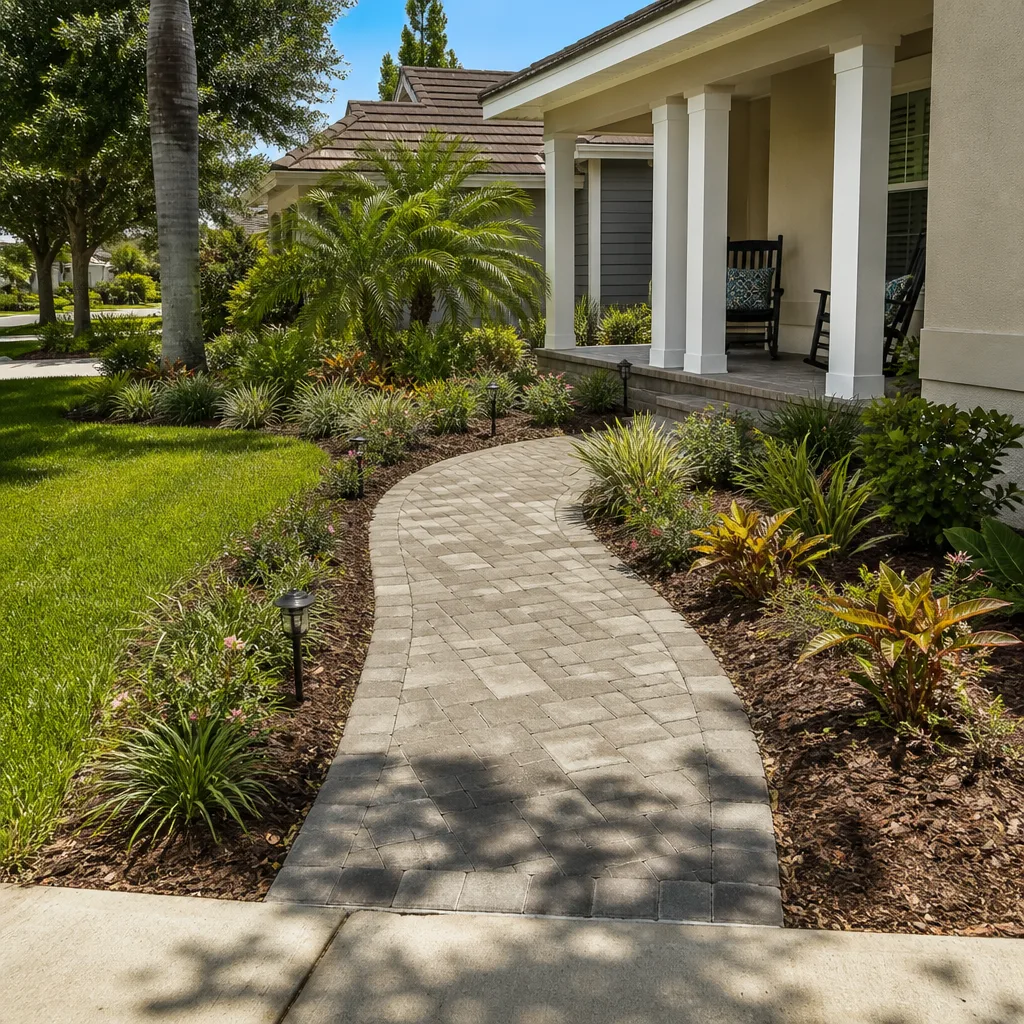
- Driveway & pavers
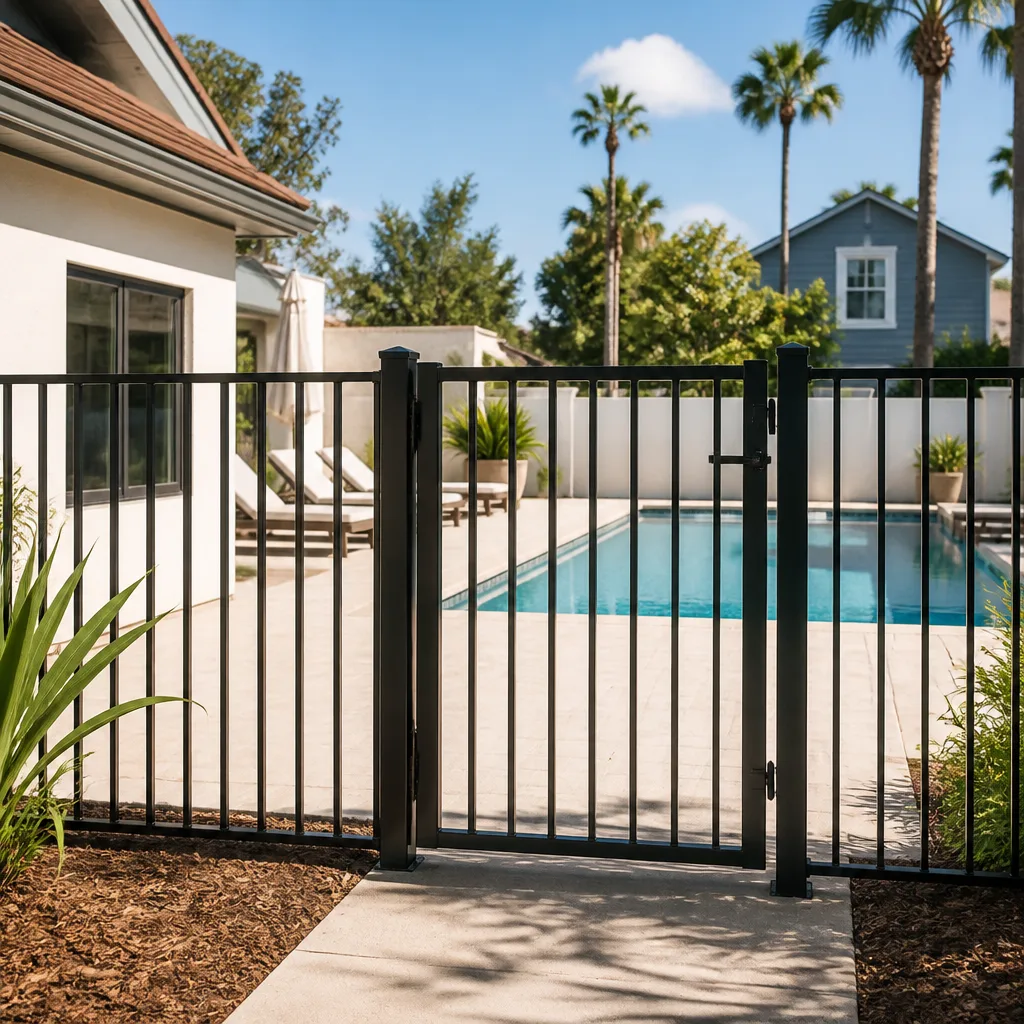
- Fence
See the difference
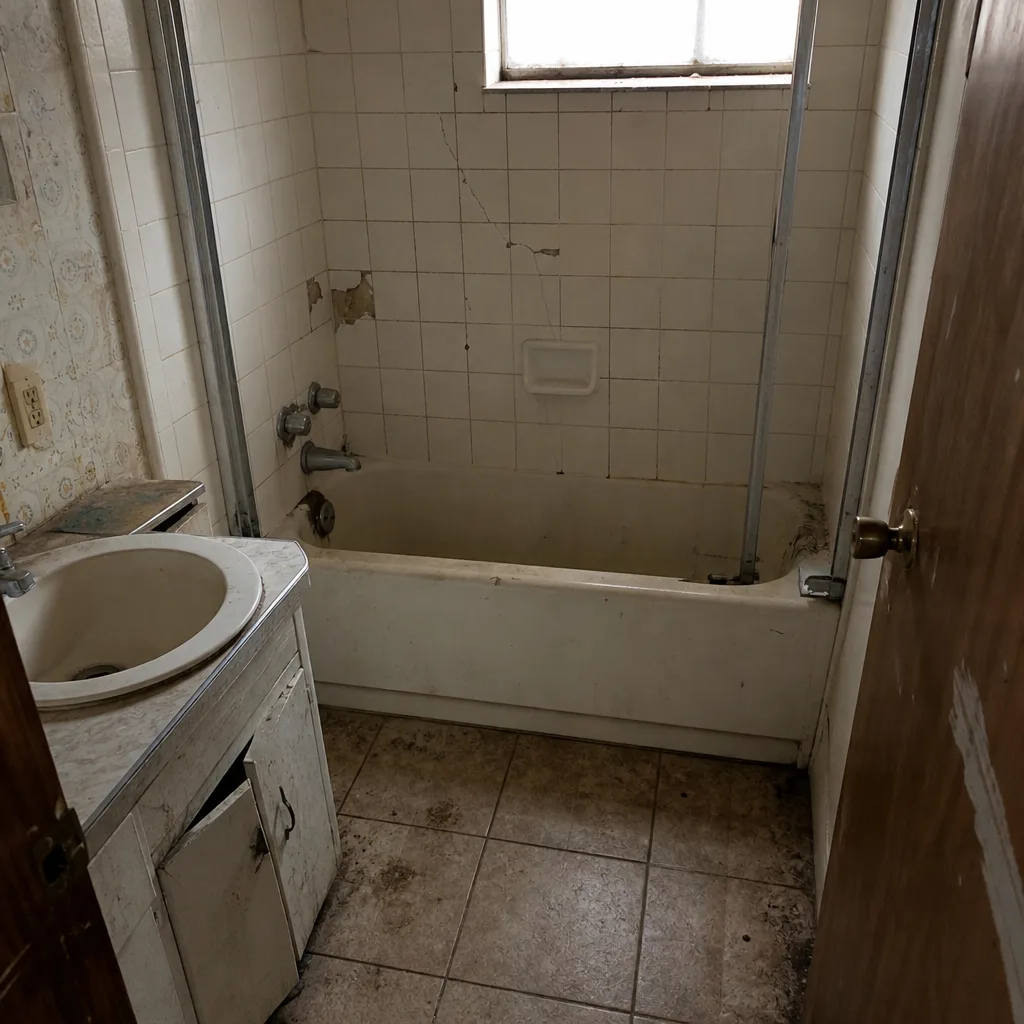 Before
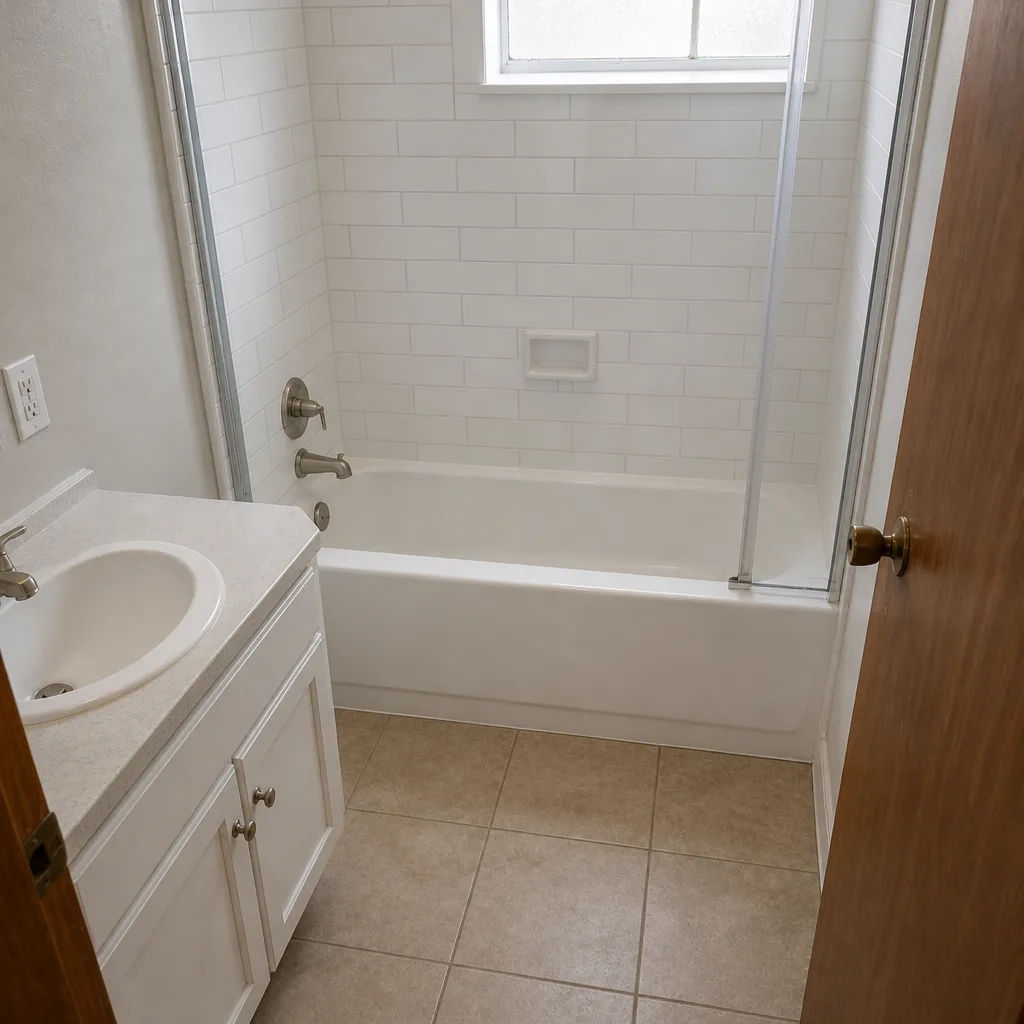 After
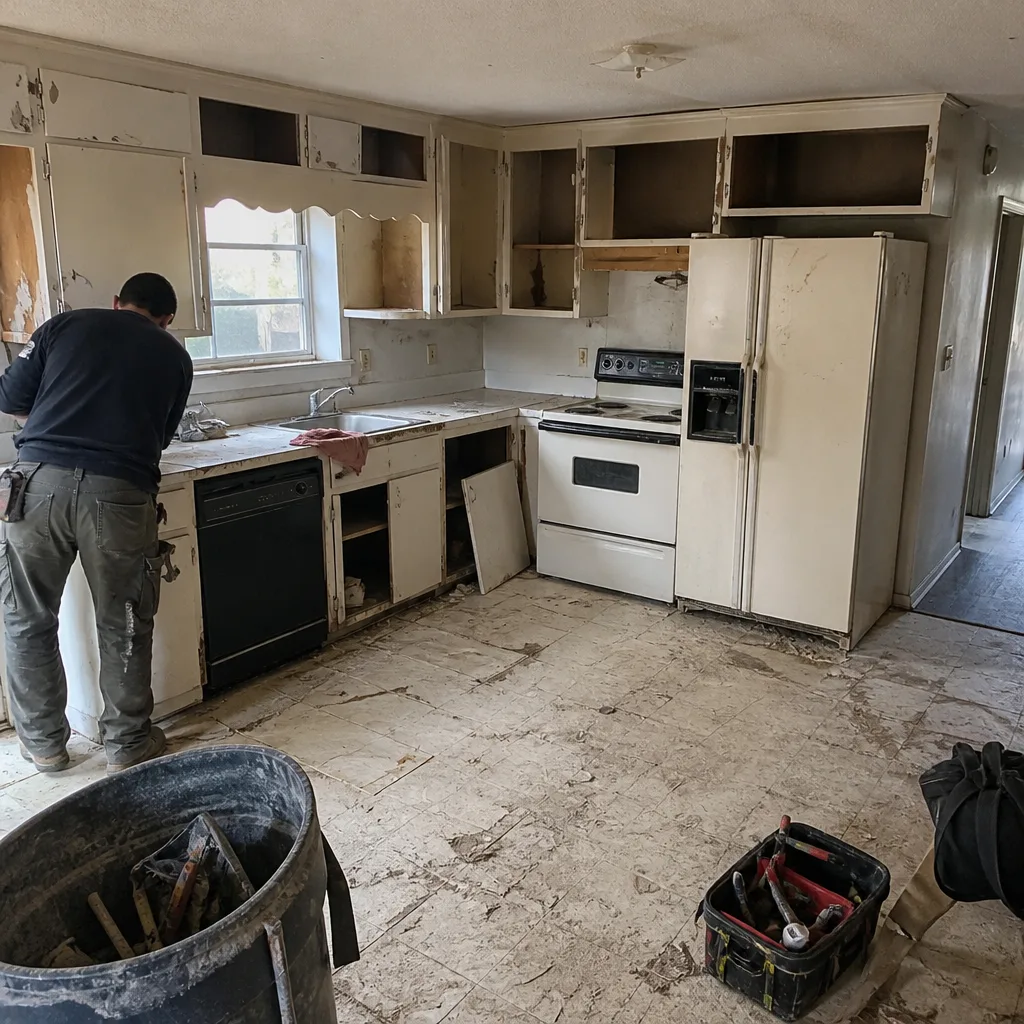 Before
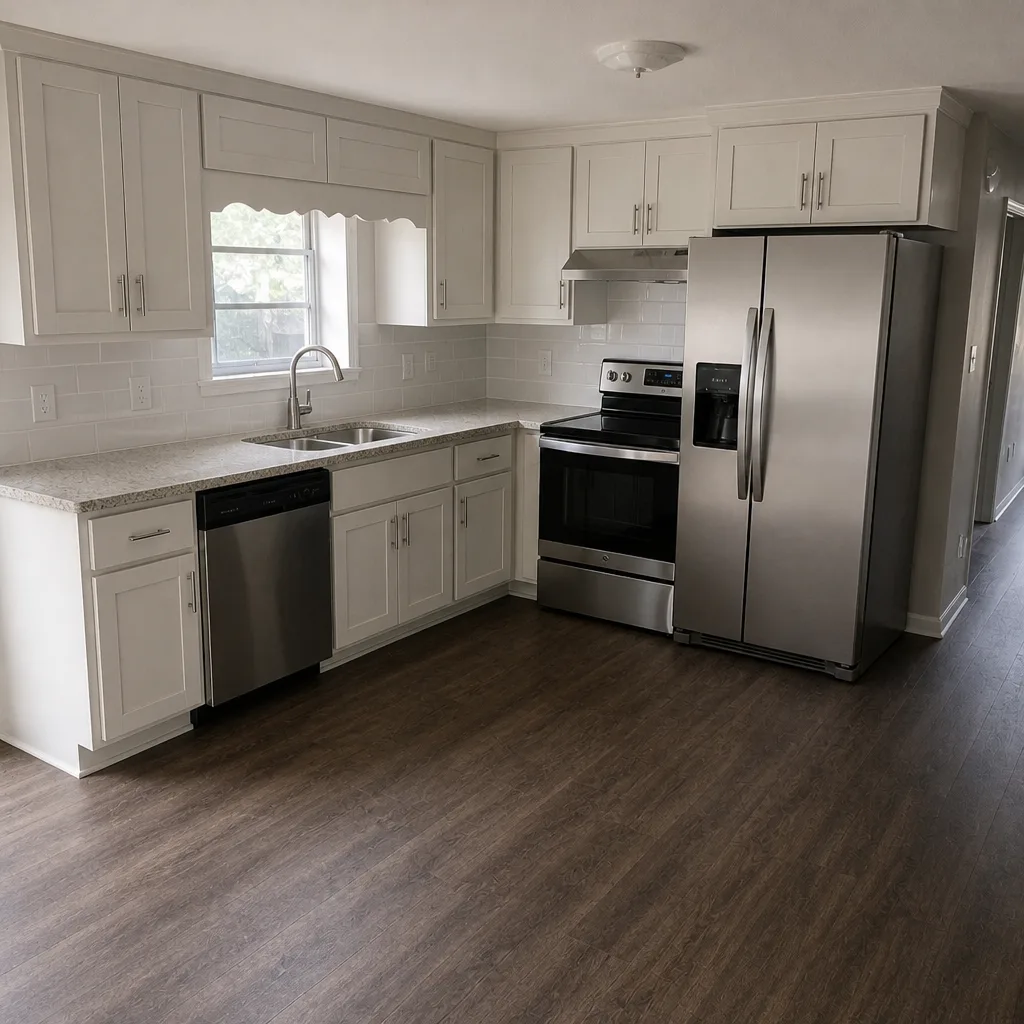 After
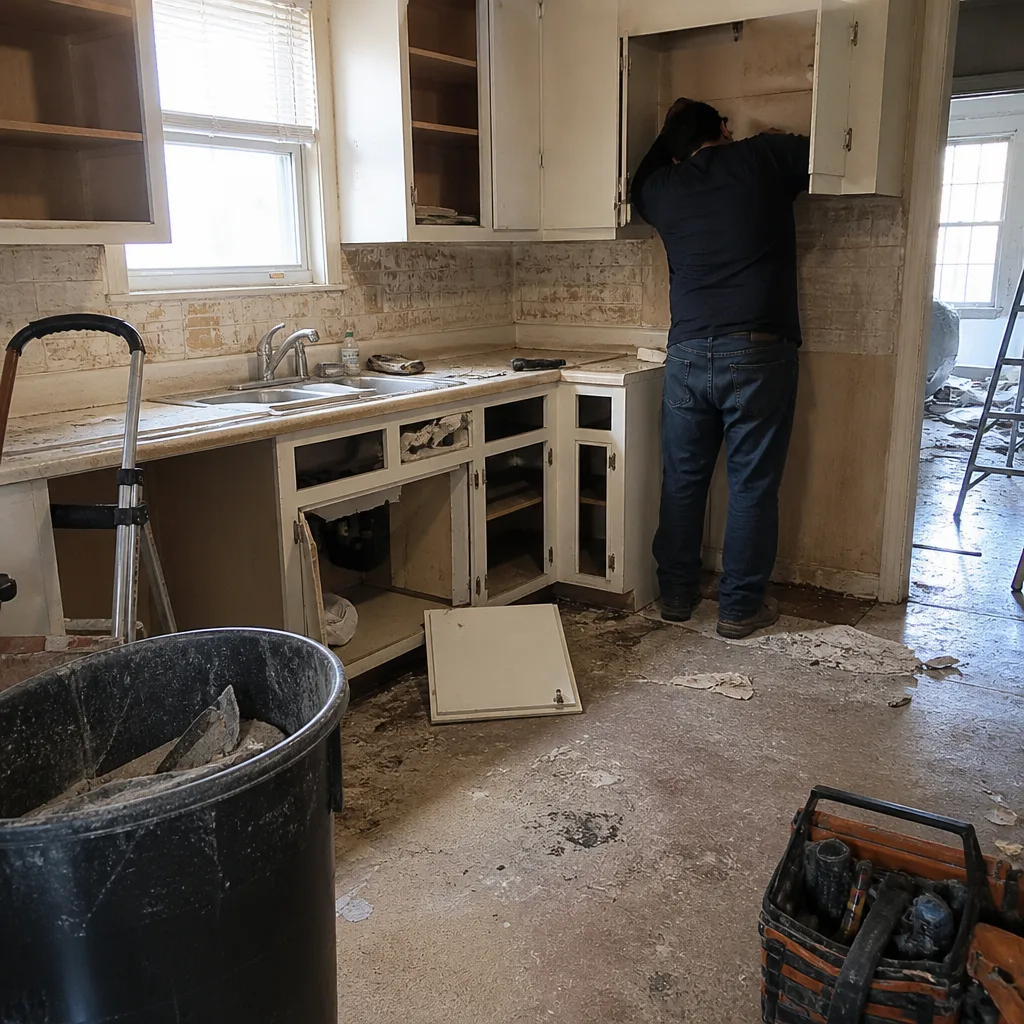 Before
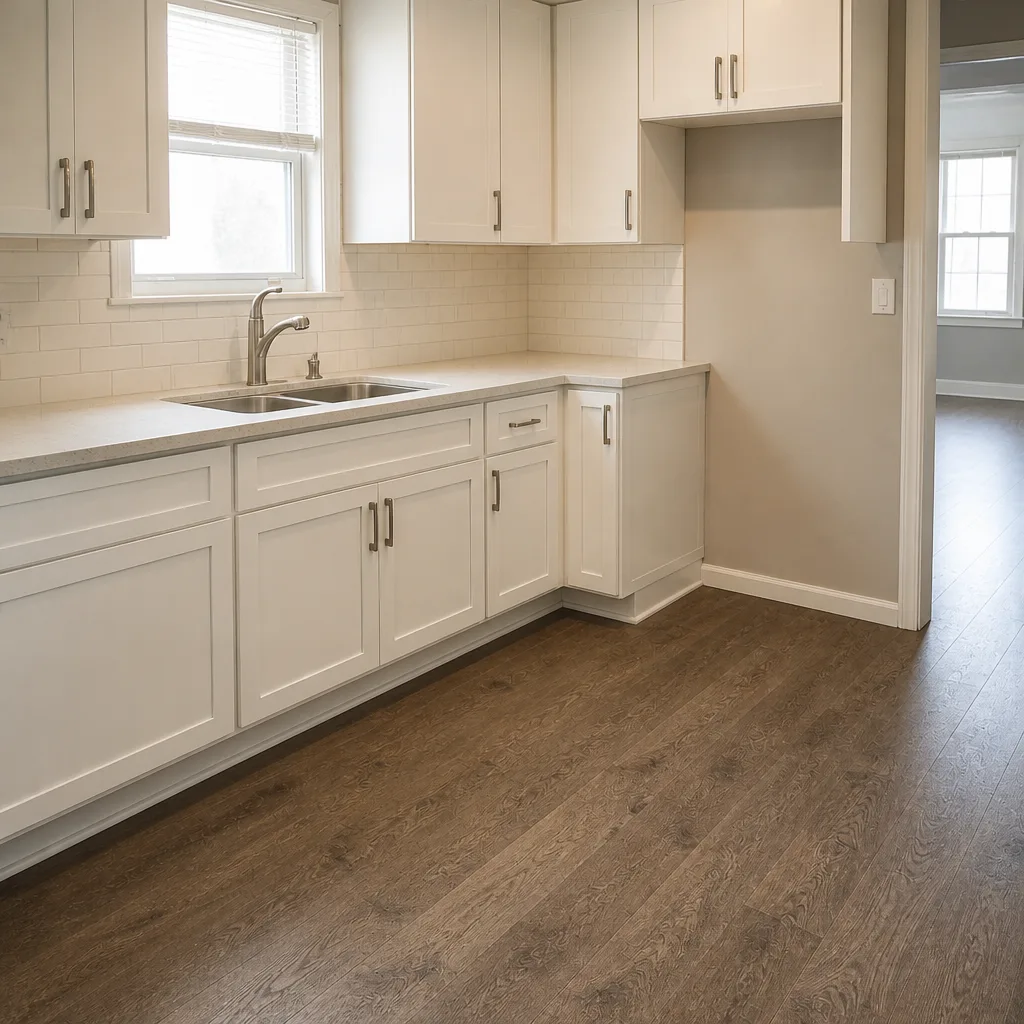 After
Clay vs Concrete Roof Tiles in Fort Worth, TX: Choose Clay Unless the Framing Can’t Take It
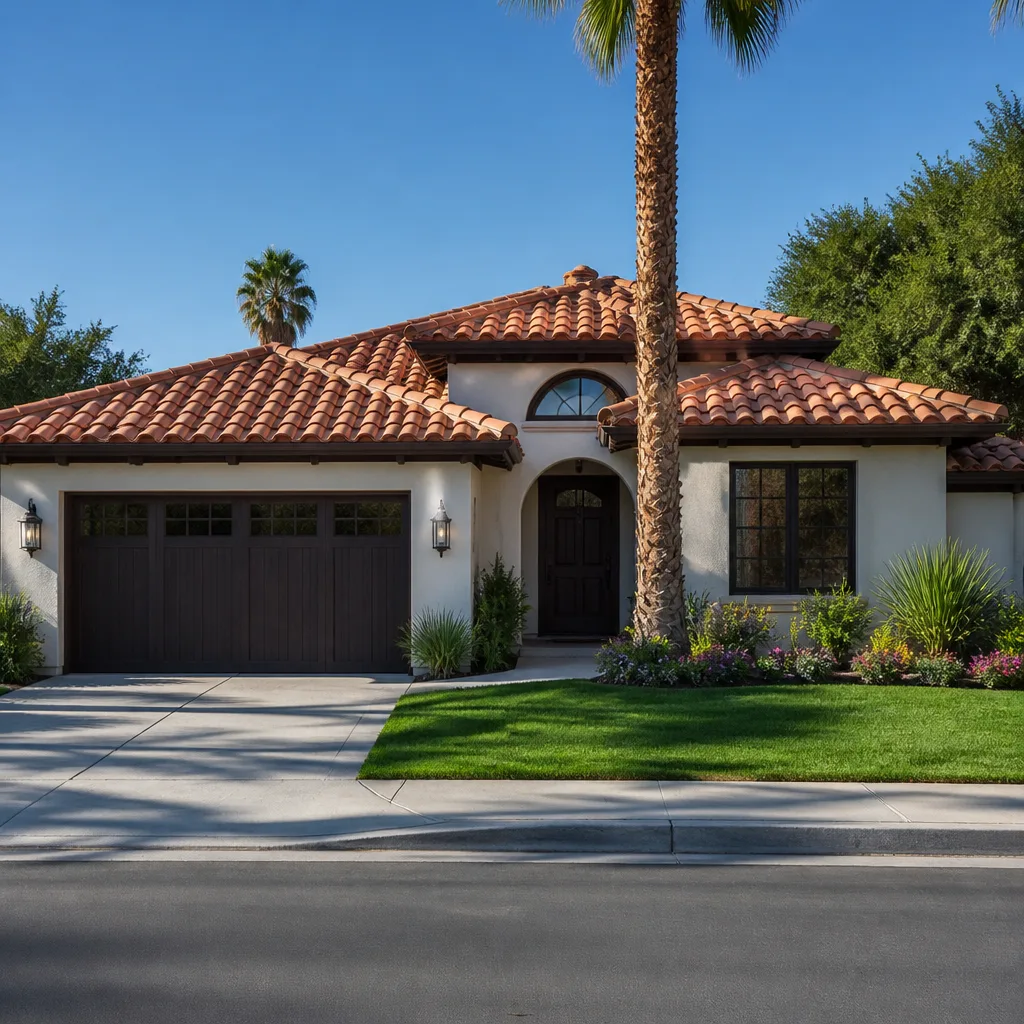
Choose clay tile unless your truss package was engineered for lighter roofing or your budget is the hard limit – then choose concrete. That’s the honest short answer for clay vs concrete roof tiles in Fort Worth, and it’s a decision most homeowners here never have to make, because the city’s housing stock is overwhelmingly shingle and metal. Tile roofs show up on the Spanish-revival and Mediterranean custom builds pushing west past Loop 820, and there the question stops being cosmetic fast. A clay tile roof can weigh up to 950 lbs per square. A standard Fort Worth tract home is framed for 10-15 lbs per square of roofing. Before you pick a color, you need an engineer’s stamp. Call (855) 912-5373 and we’ll walk you through what your framing can actually carry.
Why tile is a structural question in Fort Worth, not a style question
North Texas builders have spent two decades throwing up fast, efficient homes on truss packages bid for asphalt shingles. Then a buyer walks into a design center and falls for a barrel-tile elevation. We see this constantly in the new custom corridors – Walsh Ranch, Chapel Creek, the edges of Westover Hills – where the architectural plan calls for tile but nobody re-ran the engineering. Standard trusses weren’t built for that dead load, and the gap doesn’t show up until someone orders material.
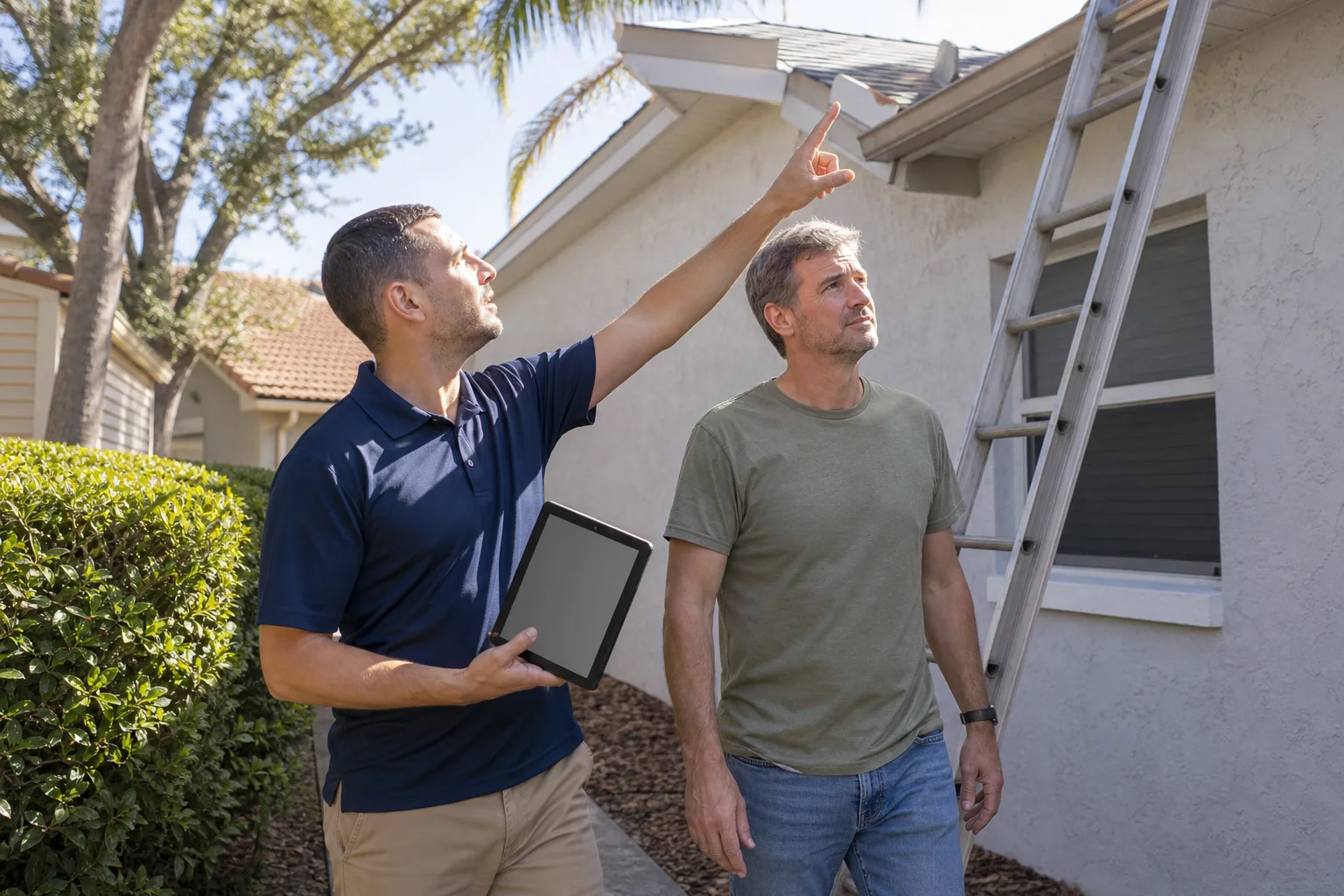
Our pre-job structural assessment catches it before a single tile is stacked on your driveway, not after the tear-off. When the truss package won’t carry tile, you find out while you still have options: engineered reinforcement, a lighter profile, or a different roof. That’s the whole point of checking first.
- Clay tile: up to 950 lbs per square, works with Fort Worth’s summer heat, needs framing engineered for it
- Concrete tile: roughly 40% heavier than clay per square, cheaper upfront, more forgiving on tight budgets
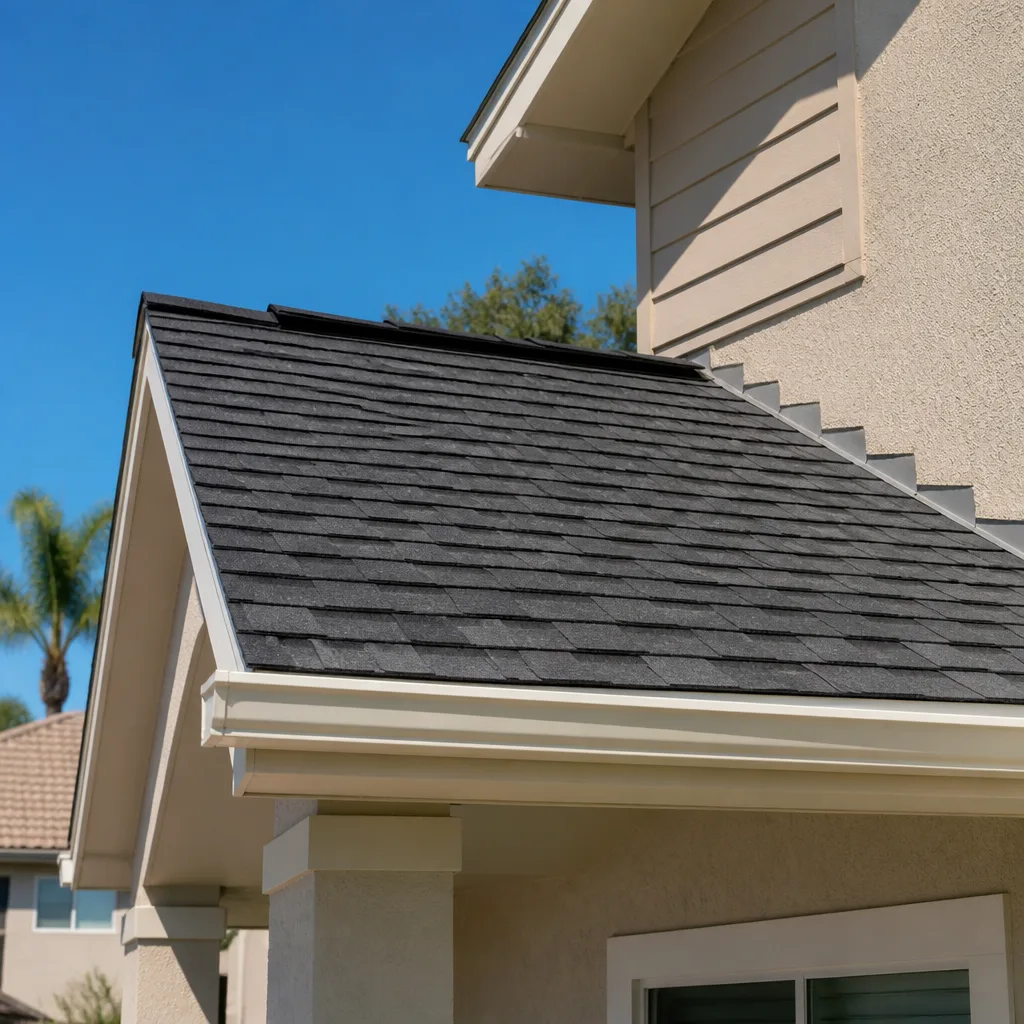
- Shingle (as reference): the baseline your home was probably framed for, so the jump to any tile is real
Weight, heat, and how North Texas actually treats each tile
Here’s where the generic “clay vs concrete” article falls apart for a Fort Worth reader. It never localizes.
Concrete is heavier and cheaper – and it fades faster here
Concrete tile runs roughly 40% heavier per square than clay, and it costs less going in. The trade-off shows up a few summers later. In North Texas heat, concrete tile fades faster and absorbs more moisture during spring rains. That moisture matters for attic thermal load in a climate where cooling costs dominate the utility bill, not heating. You save on the front end and give some of it back on cooling and appearance.
Clay’s thermal mass is a genuine Fort Worth advantage
Clay tile’s thermal mass works in our summers. The barrel profile creates an air gap under the tile that reduces radiant heat transfer into the attic – a real, measurable benefit on a 100°F+ heat-island afternoon. That’s the data point the generic comparison never tells you. It also means clay’s higher sticker price is partly offset over the long horizon, which is exactly the frame we build roofs around: built to last, backed in writing.
| Factor | Clay tile | Concrete tile |
|---|---|---|
| Weight per square | Up to 950 lbs | Roughly 40% heavier than clay |
| Upfront cost | Higher | Lower |
| Heat performance in Fort Worth | Thermal mass + air gap reduces attic radiant heat | Absorbs more heat, fades faster |
| Moisture during spring rains | Lower absorption | Higher absorption |
| Fire rating | Documented ratings matter in Tarrant County WUI zones | Ratings vary by product |
| Framing requirement | Engineered for tile load | Engineered for tile load |
The fire rating point isn’t academic. On the far western edge of Tarrant County, wildland-interface zones make documented fire ratings a decision factor, and clay tile sourced through our supply chain – the same curated brand network behind our GAF and Owens Corning roofing lines – carries those ratings on paper. Material brands like Boral show up in our tile conversations for the same reason: verified product documentation, not field guesswork.
The failure point nobody talks about: the ridge and hip caps
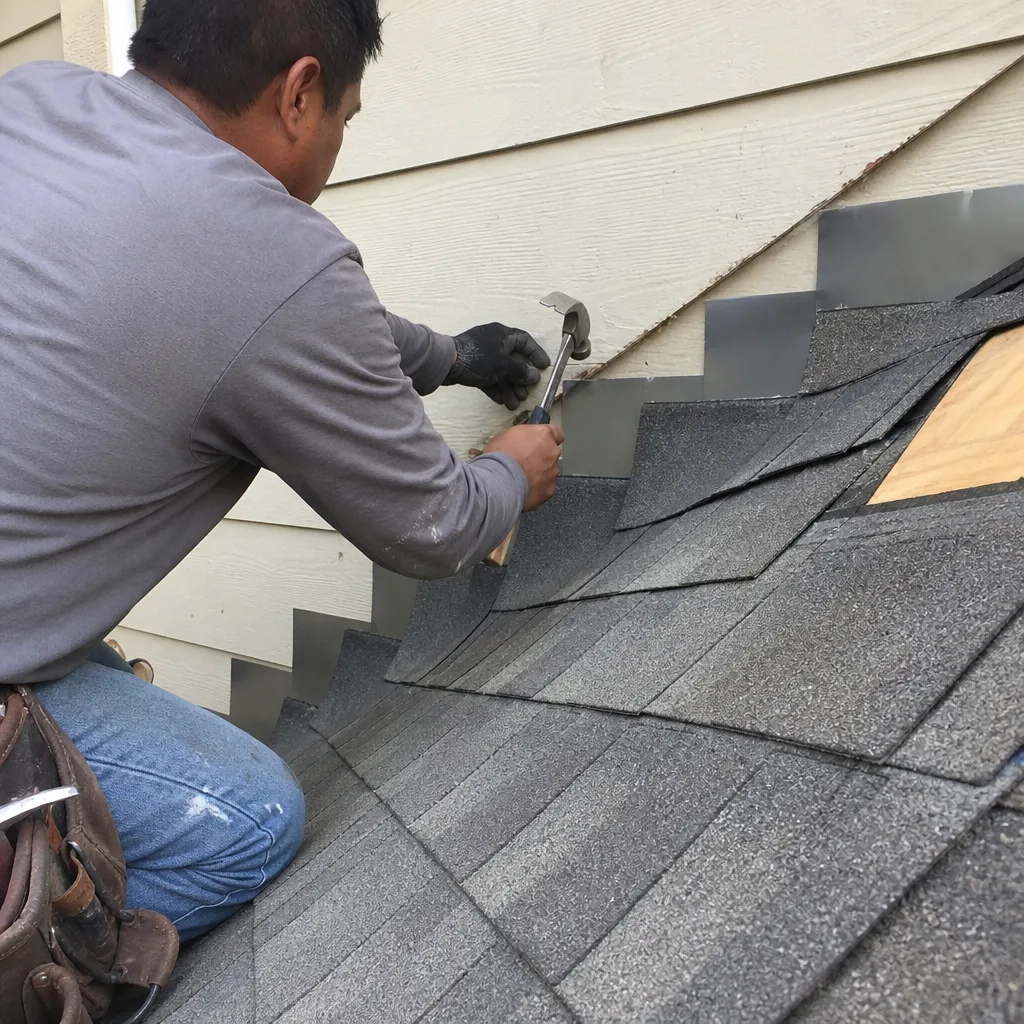
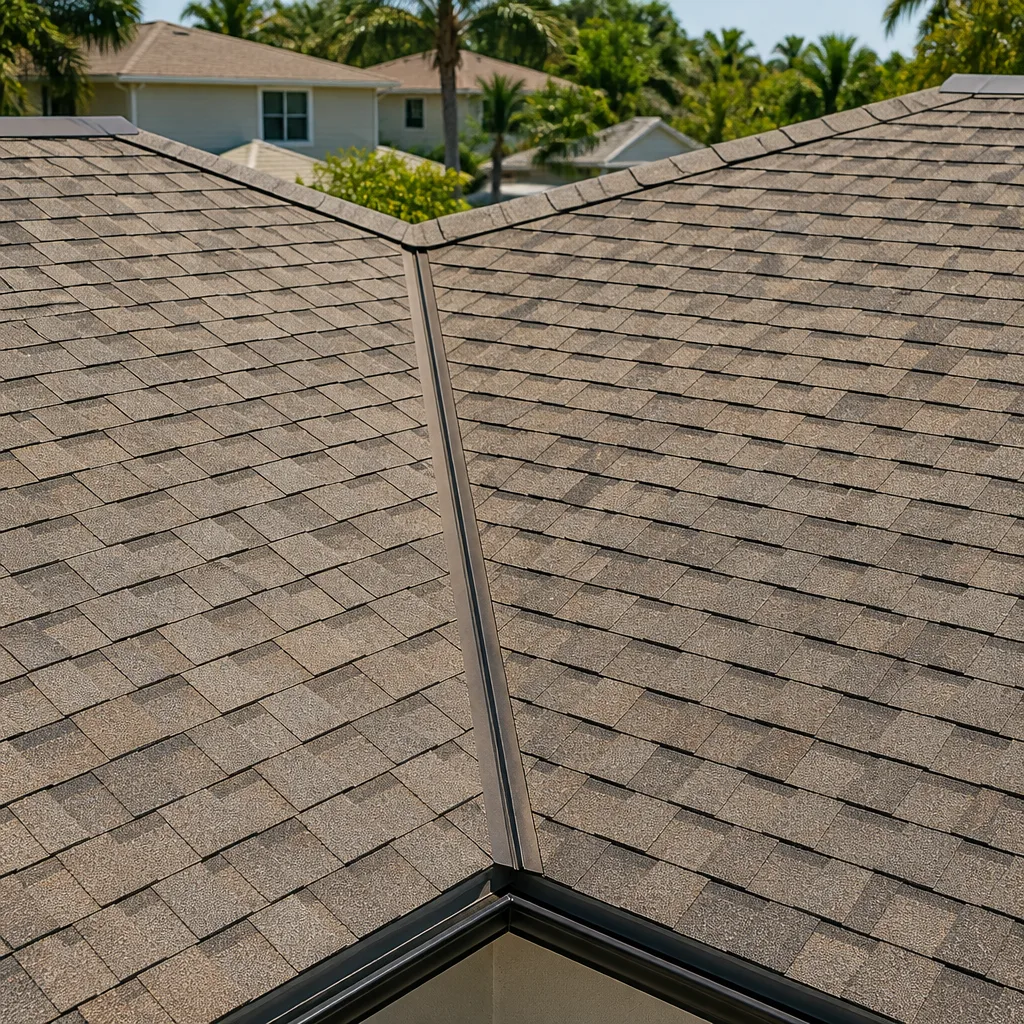
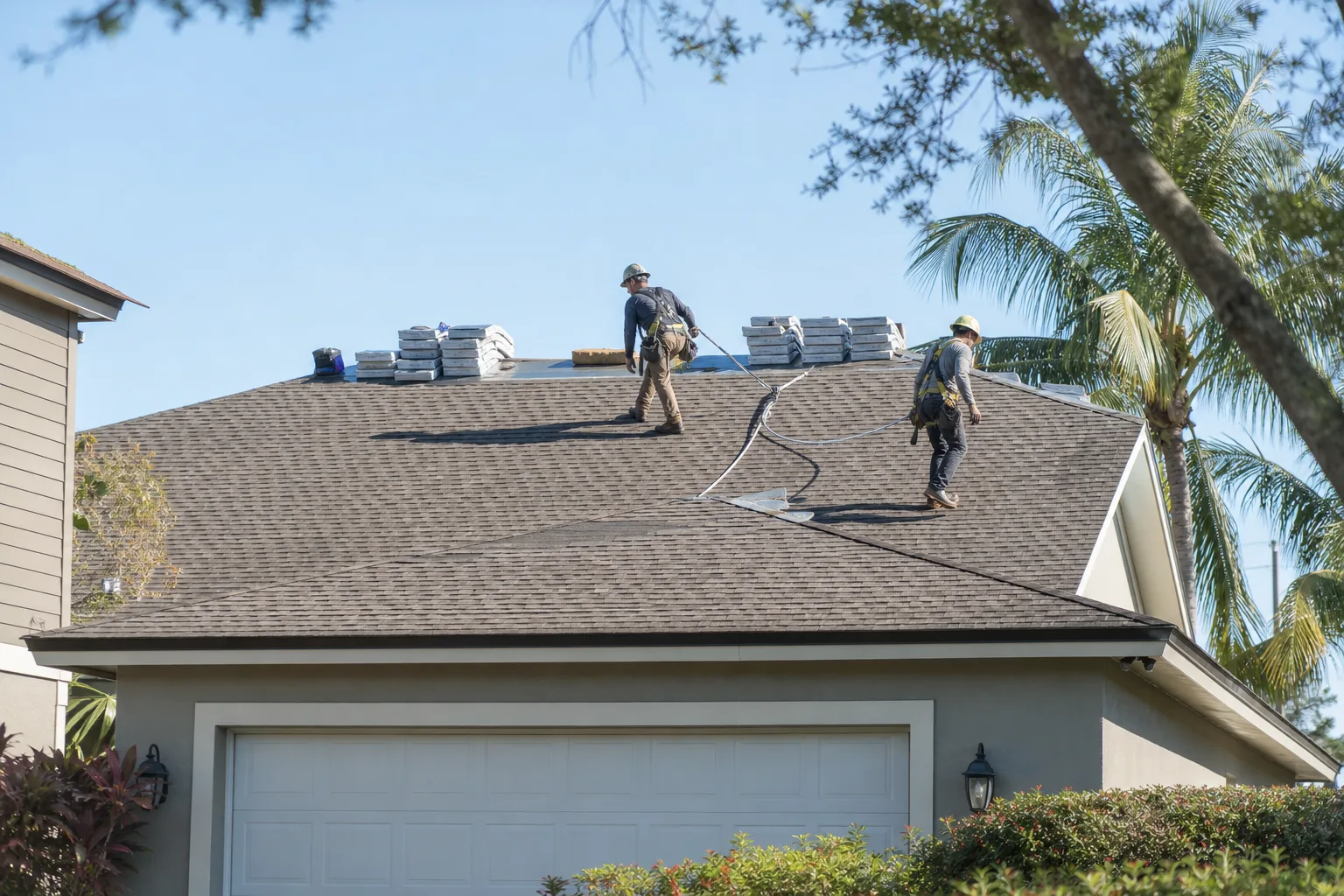
Both tile types require mortar-set ridge and hip caps. In a climate with north-Texas straight-line wind events, improperly set caps are the first thing to go. We’ve seen it after storms: tile fields intact, caps scattered across the lawn, because someone improvised the mortar mix in the field.
Our uniformed, background-checked crews are trained on manufacturer-spec mortar application. Not field improvisation, not “what the last guy did.” That distinction is most of what you’re paying for on a tile roof, and it’s why our Roofing work comes with the 730-Day Done Right Promise – if it’s not done right, we make it right. When you’re comparing costs, ask what happens if a cap fails in year three.
What clay vs concrete actually costs in Fort Worth
Tile is a premium roof, and our local market prices reflect that. Here’s how tile work breaks down against the standard roofing ranges we quote in Fort Worth:
- Roof replacement (standard shingle): $8,000-$20,000
- Roof repair: $400-$1,800
- Tile roof repair: $600-$2,500
- Metal roof installation (for comparison): $15,000-$40,000
Full tile roof replacement – clay or concrete – sits above the standard replacement range once you factor material, structural assessment, and cap work, and the exact number depends on your square footage, pitch, and whether the framing needs reinforcement. That’s the part a phone quote can’t give you honestly. We quote with no-hassle upfront pricing: the number you see is the number you pay. And for tile projects over $10,000, you get $1,000 off, plus 0% financing for 18 months, which makes a structural upgrade far less painful than it sounds.
Common local scenarios we walk into
The Walsh Ranch plan that skipped engineering. Custom build, tile elevation on the drawings, truss package bid for shingles. We catch the mismatch in assessment and lay out the reinforcement options before material gets ordered.
The Chapel Creek re-roof where caps failed first. Storm took the ridge caps and left the field. The fix isn’t a full replacement – it’s manufacturer-spec mortar work and a proper inspection of what’s underneath.
The homeowner moving from shingle who assumed tile was “just a nicer shingle.” The conversation shifts from color to load capacity, and that’s the right conversation. Our technicians have up to 12 years of experience on roofs like these, and they’ll tell you plainly when your trusses can’t carry the tile you want.
Fort Worth is a two-speed city, honestly – century-old bungalows in Fairmount on one permit, greenfield framing near the far-west edge on the next – and tile lives almost entirely on the new-build side. That’s the housing stock reality behind every tile bid here.
FAQs
Clay is the better long-term choice in Fort Worth because it handles our heat better, fades less, absorbs less moisture during spring rains, and the barrel air gap reduces radiant heat into the attic. Concrete wins on upfront cost unless your framing or budget rules clay out. If you want the full picture on your specific home, call (855) 912-5373 – the assessment is free.
A full tile roof replacement in Fort Worth sits above the standard $8,000-$20,000 replacement range once material, structural assessment, and mortar-set cap work are included, and tile repairs typically run $600-$2,500. Your exact number depends on square footage, pitch, and framing condition. Call (855) 912-5373 for an upfront quote.
Probably not without reinforcement if it was framed as a standard tract home, since most are engineered for 10-15 lbs per square and clay tile can weigh up to 950 lbs per square. Our pre-job structural assessment tells you before material is ordered. Call (855) 912-5373 to schedule one.
They fail in the same place first – the mortar-set ridge and hip caps – because straight-line wind events lift improperly set caps before the tile field gives way. Concrete tile adds moisture absorption and faster fading in our heat. Either way, manufacturer-spec mortar application is what holds. Call (855) 912-5373 if you’ve lost caps in a storm.
If you’d rather have it looked at, Groundwork Construction Co. of Fort Worth offers a no-pressure assessment in Fort Worth – call (855) 912-5373. You’ll get a live person, a straight answer on your framing, and an upfront price for the tile roof you actually want. More on our full Fort Worth service area and how we handle home projects from foundation to finish line.
Written by the team at Groundwork Construction Co. of Fort Worth, serving Fort Worth, TX.