




Free written scope consultation - allowances, timeline, and change-order rules on paper before a single trade is scheduled
Styles & brands we work with
- Kitchen remodeling
- Bathroom remodeling
- Home additions & ADU
- Roofing
- Windows & doors
- Driveway & pavers
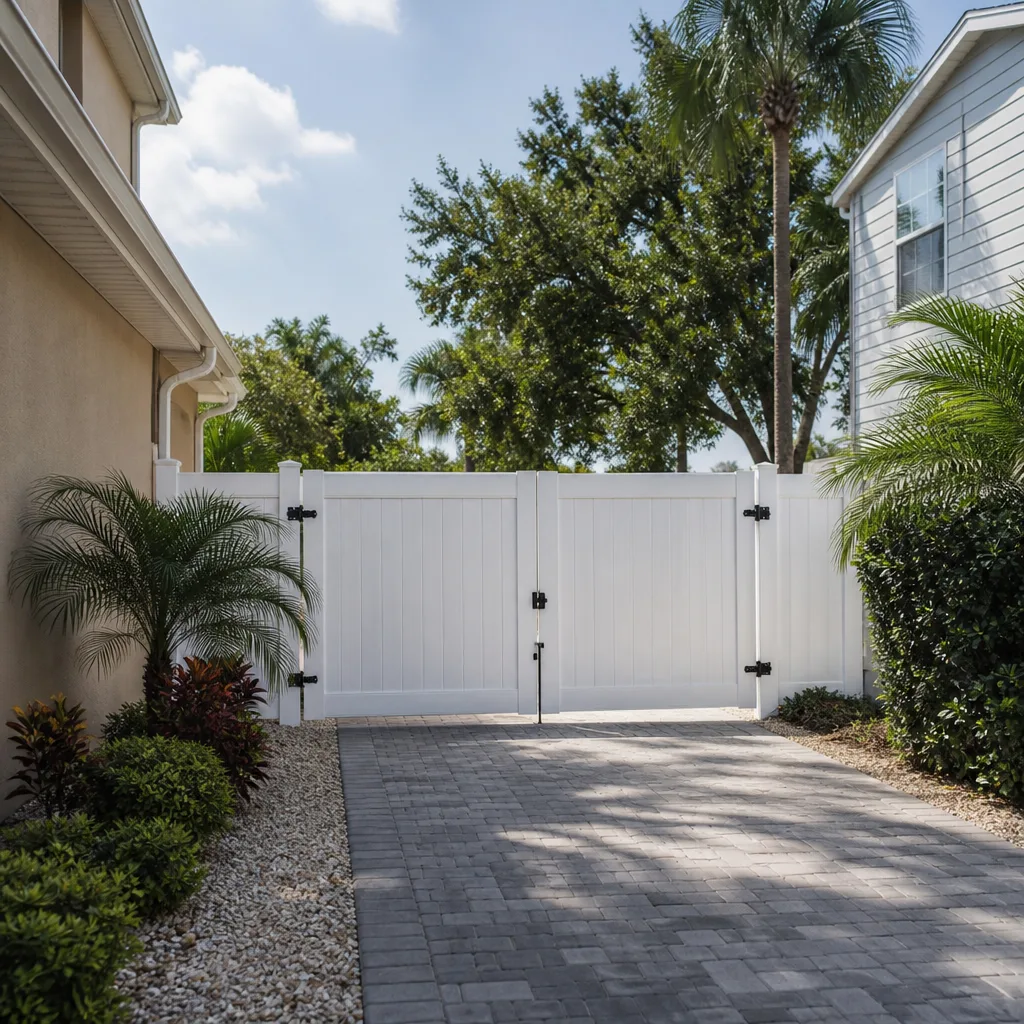
- Fence
See the difference
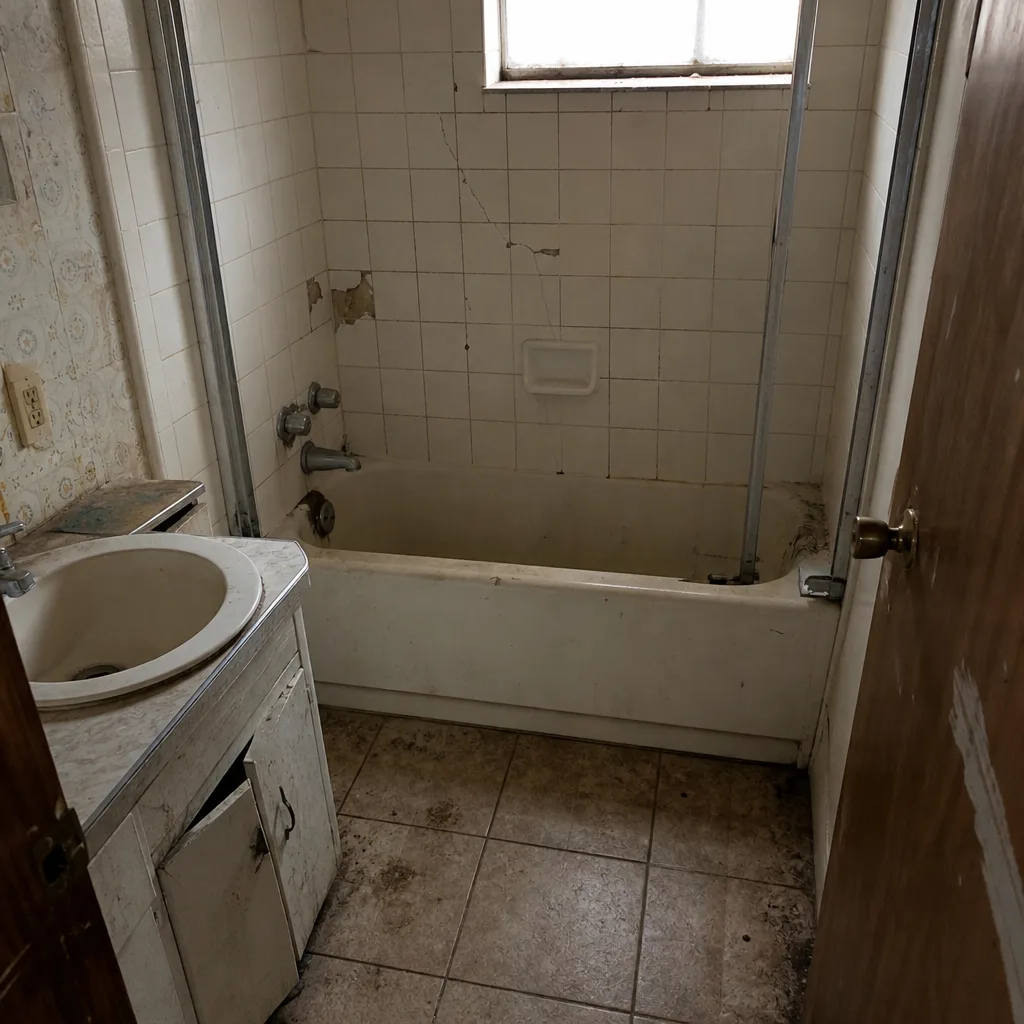 Before
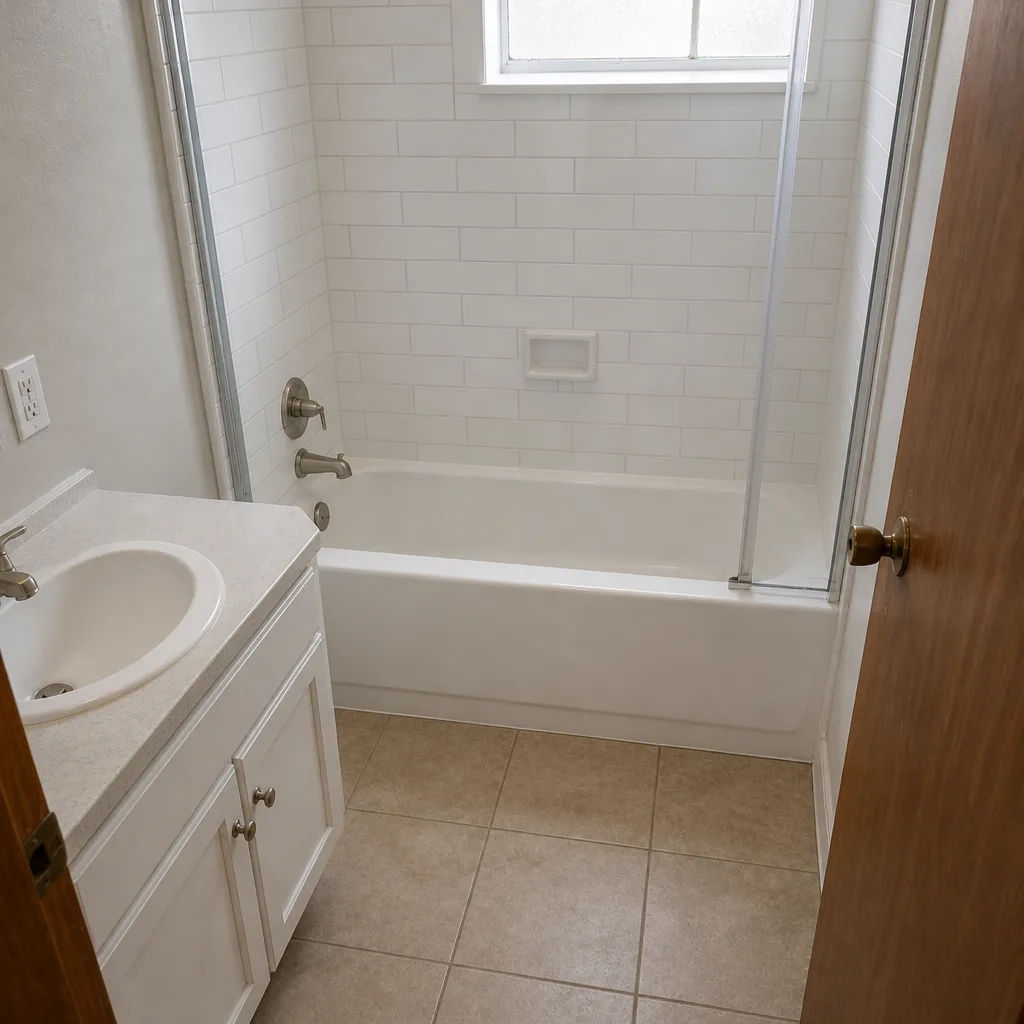 After
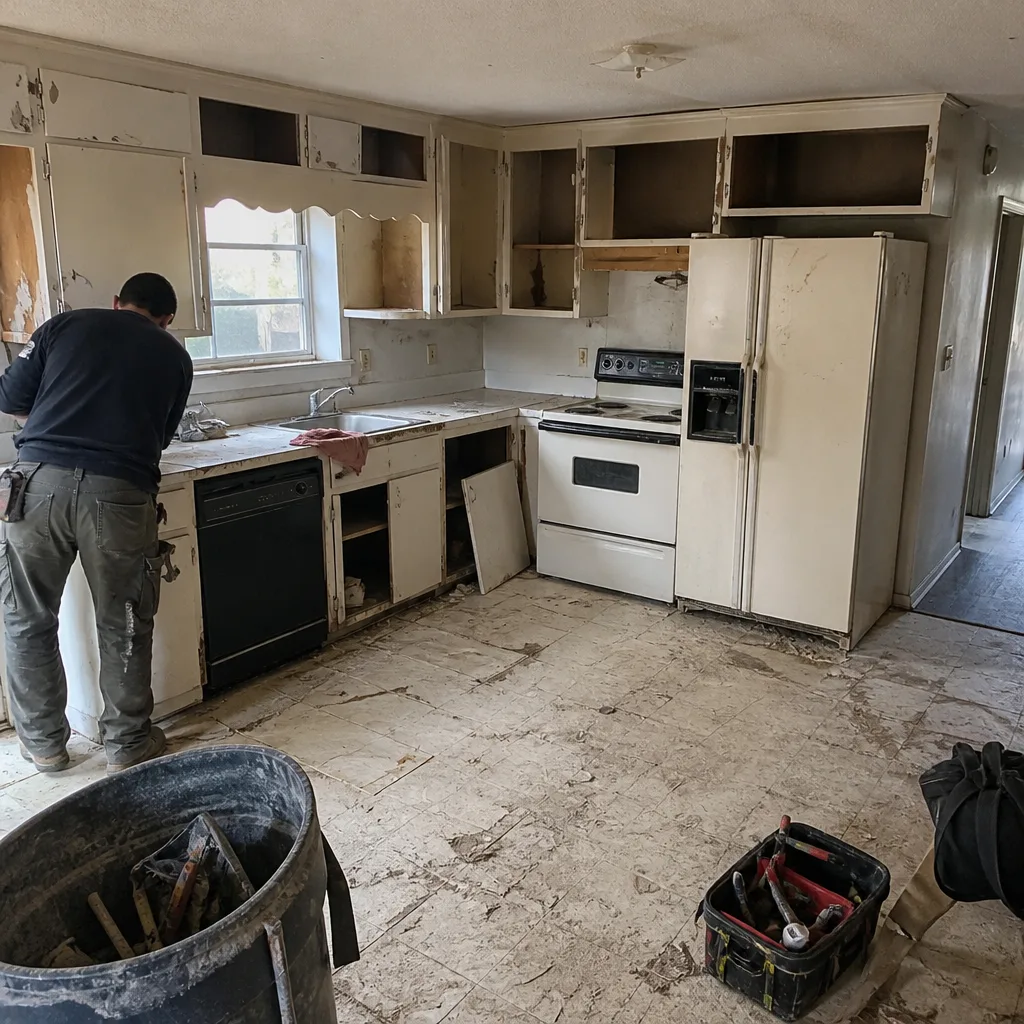 Before
 After
 Before
 After
What Causes Roof Leaks in Fort Worth, TX? The Clay-Soil Answer Most Guides Miss
Most roof leaks in Fort Worth are caused by water getting in at penetrations and wall-to-roof junctions, not by the shingles themselves. The single most common root cause we find is step flashing that has racked loose over years of black clay soil movement, flexing the structure seasonally with no storm required. The short answer to “what causes roof leaks” in Fort Worth: flashing connections fail first, pipe boots crack from UV, and the shingles you see from the ground are usually the innocent party. If you’re chasing a stain that keeps coming back, call Groundwork Construction Co. of Fort Worth at (855) 912-5373 and we’ll find the real source.
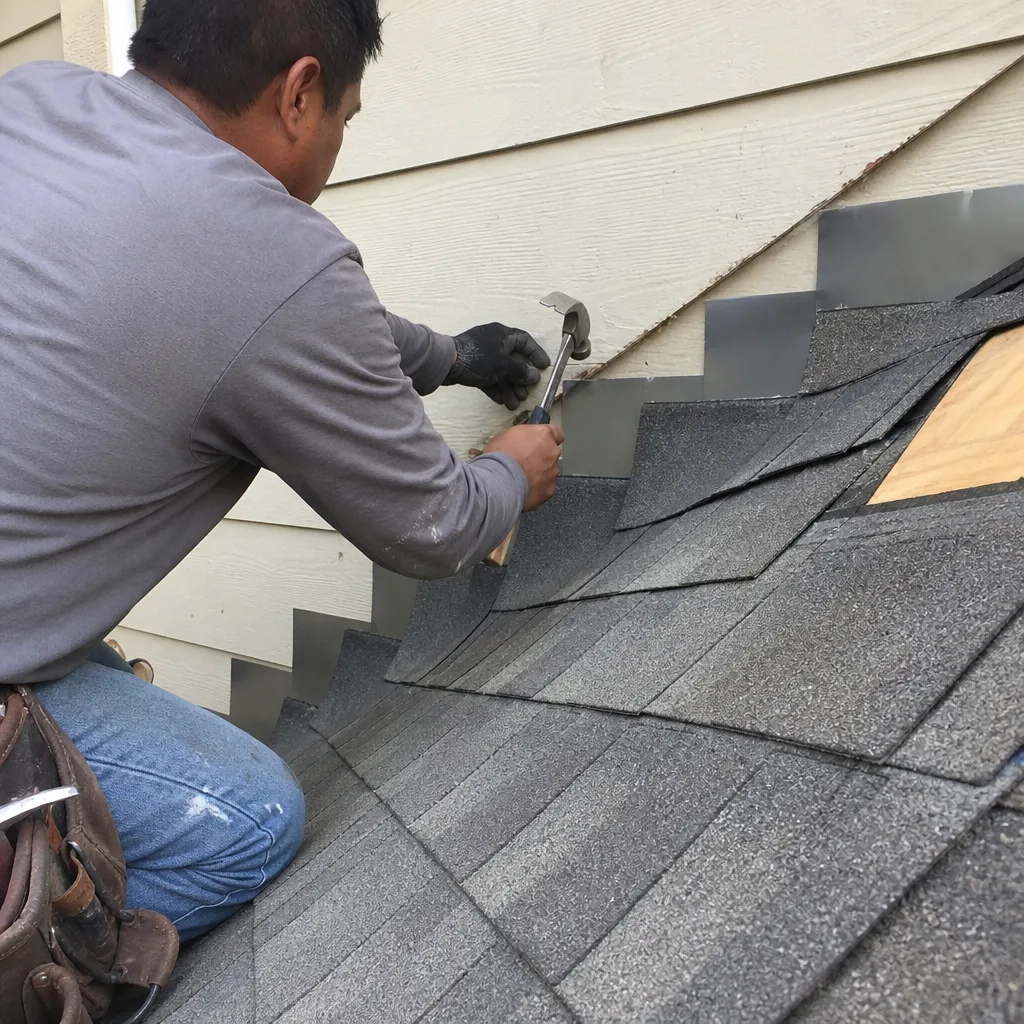
Here’s the misdiagnosis we see repeat every year. A homeowner has a wet wall or a ceiling stain, a roofer replaces the shingles over that section, and 18 months later the same wall is wet again. The shingles were never the cause. The step flashing on the addition behind that wall, racked loose over three years of clay-soil seasonal movement, was. Fort Worth sits on some of the most expansive black clay in the state, and that has consequences for roofs that national “roof leak” guides simply don’t account for.
Key takeaways
- Flashing at wall, chimney, and addition junctions is the leading cause of recurring Fort Worth roof leaks – not shingle age.
- Neoprene pipe boots crack from UV in roughly 7-12 years here, meaning most 15-year-old Fort Worth roofs have at least one failed boot.
- Attic condensation from poor ventilation mimics a rain leak and rots decking from underneath.
- Additions joined to older Fairmount and Ryan Place homes create independent-moving junctions that leak first.
- Flashing and boot work fall under our 730-Day Done Right Promise – in writing.

The Fort Worth Cause Map: Why Flashing Fails Here First
North Texas heat and the region’s expansive clay soils are the defining pair for Fort Worth roofs. The frost line is shallow, so foundations here are engineered for soil movement, not freeze depth – which means the structure itself is always slightly in motion as clay swells with spring rain and shrinks in the long summer. That movement concentrates at the wall-to-roof connection, where step flashing and counter flashing sit. Over three to six years, that flexing works nails and fasteners loose, opens hairline gaps, and lets water wick in behind the flashing during the next rain. No hail, no wind event, no missing shingle required.
This is why a Fort Worth leak that shows up in a storm-damage claim is often blamed on the storm when the flashing was already failing beforehand. If you’re weighing repair against replacement, our Roofing team walks that line honestly rather than defaulting to a full tear-off.
A second Fort Worth-specific failure pattern lives at the pipe boots. Neoprene boots crack under UV load in an average of 7-12 years here – shorter than the shingle life on the same roof. That means most 15-year-old Fort Worth roofs have at least one failed boot whether or not there’s been a single hail or wind event. It’s invisible from the ground, sits near the ridge or along a plane most homeowners never look at, and drips onto ceiling drywall in a spot that seems to have no relation to anything.
Addition and Original-Structure Junctions: A Fort Worth Risk
Fort Worth is a city that keeps building over its own history, and its roofs carry the evidence. Decades-old Craftsman and bungalow blocks in Fairmount and Ryan Place have been added onto for generations – a back bedroom, a screened porch, a garage conversion – and every one of those additions married a new roof plane to an old one. That junction is a valley or a step-flashing detail where two structures built decades apart are moving independently on the same clay soil. When they flex at different rates, the flashing that bridges them tears loose. That junction leaks first, almost every time.
On the other side of town, the master-planned sprawl pushing past Loop 820 toward Alliance and Walsh Ranch brings slab-on-grade new construction where the failure pattern is different: builder-grade boots and flashing that fail on the manufacturer’s schedule rather than the soil’s. Same trade, different problems. Our crews toggle between the two daily.
The Leak That Isn’t Rain: Attic Condensation
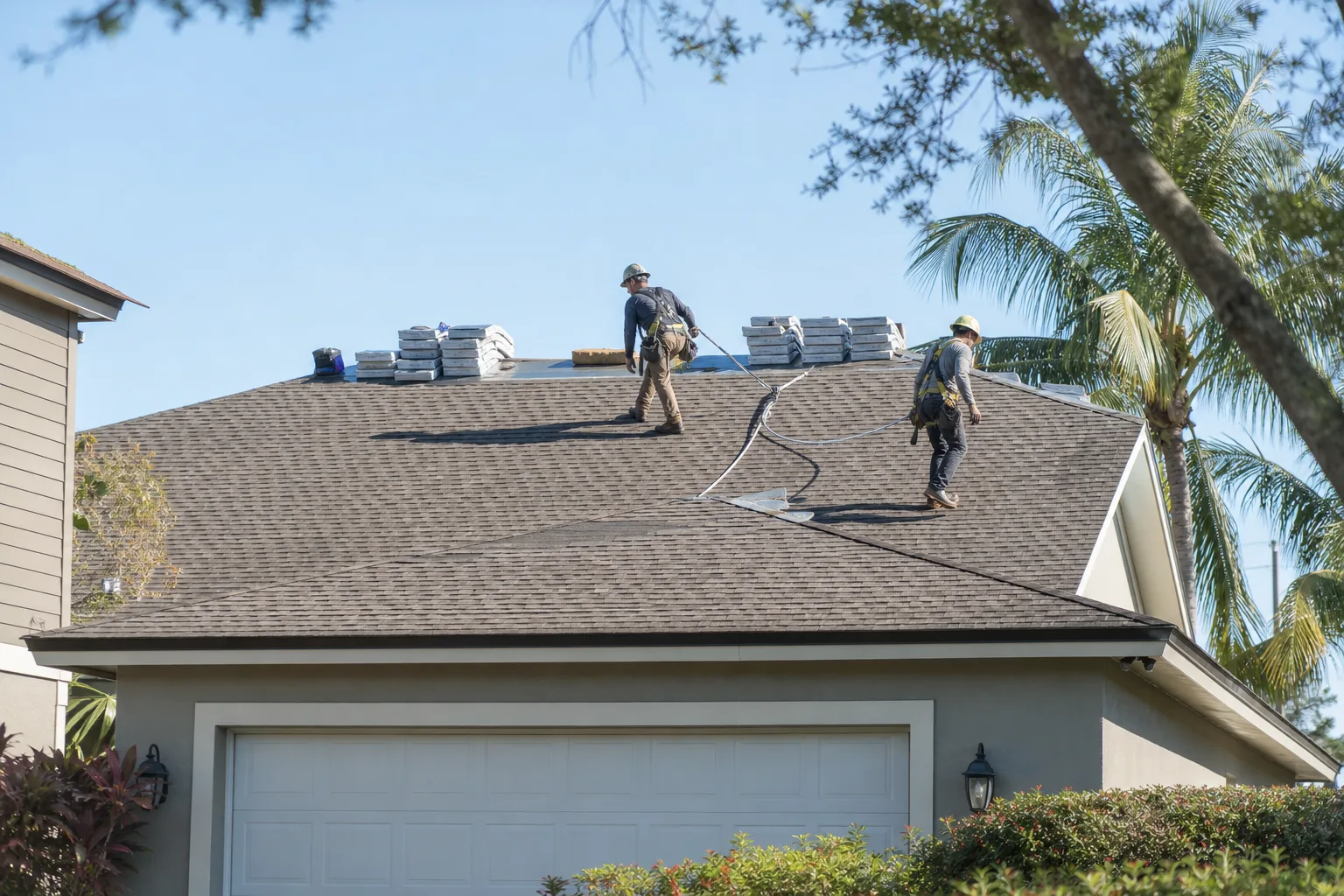
Not every ceiling stain in Fort Worth comes from above. In our humid summers, insufficient attic ventilation causes condensation to form on the underside of the roof decking. That moisture mimics a rain-entry leak – wet decking, staining, eventually rot from below – while the roof surface itself is intact and shedding water fine. We’ve pulled up shingles on roofs where the homeowner swore water was getting in, only to find the leak was entirely a ventilation problem. Fixing the shingles would have done nothing. This is one of the reasons we inspect the attic on any leak call, not just the roof plane.
What Roof Leak Repair Costs in Fort Worth
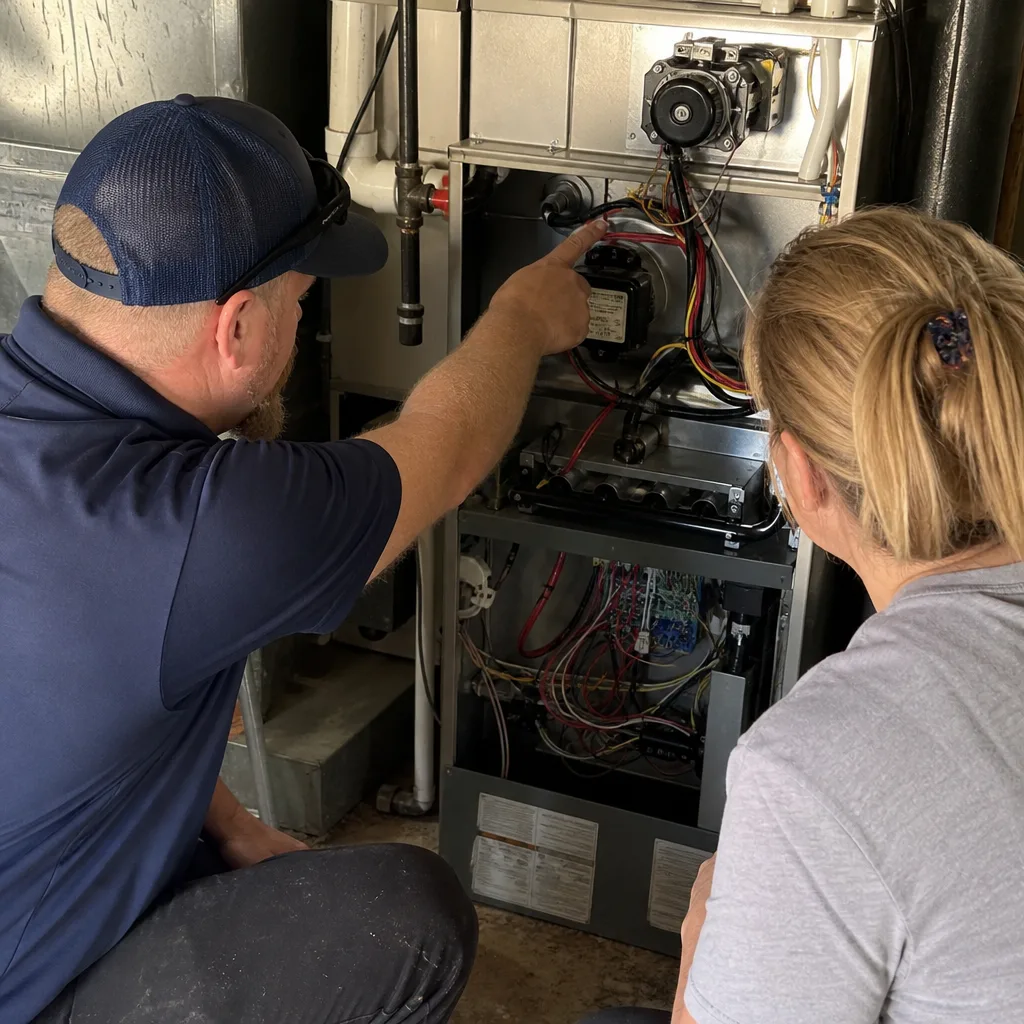
Upfront pricing matters here because the wrong diagnosis is expensive. Here’s what the two paths typically run in Fort Worth, so you can tell whether a quote reflects a flashing or boot repair or a full replacement:
| Work | Fort Worth range |
|---|---|
| Roof repair (flashing, boot, localized) | $400-$1,800 |
| Tile roof repair | $600-$2,500 |
| Full roof replacement | $8,000-$20,000 |
| Metal roof installation | $15,000-$40,000 |
When we re-roof, we build with partners like GAF and Owens Corning, and when accessories are spec’d we don’t cut corners on the flashing that actually keeps water out. We also back the two items competitors most often exclude from their workmanship guarantees – flashing installation and boot replacement – explicitly, in writing, under the 730-Day Done Right Promise. If it’s not done right, we make it right. For larger scopes, $1,000 off projects over $10,000 and 0% financing for 18 months make the work easier to plan around.
Common Local Scenarios We Walk Into
- The recurring wet wall on an addition in Ryan Place. Step flashing between the original structure and the addition has racked loose over years of clay movement. Shingles get replaced; the leak returns. The fix is re-flashing the junction.
- The 15-year-old tract home off Loop 820 with a ceiling stain near the ridge. A failed neoprene pipe boot, cracked by UV, with zero storm history on the record. A boot replacement costs a fraction of a re-roof.
- The Fairmount bungalow with decking rot from below. Condensation from insufficient ventilation, not a rain leak. We address the airflow before touching the roof plane.
- The porch rebuild that stalls on district review. Historic-district design overlays in Fairmount, Ryan Place, and the Stockyards area add a review step even to a straightforward repair – what passes in a new subdivision won’t pass in a 1920s bungalow block.
Our technicians have up to 12 years of experience and arrive background-checked and in uniform. Calls are answered by a live person around the clock, so a leak on a Sunday gets a real answer, not a voicemail. For Fort Worth homeowners renovating alongside a roof repair, we handle everything from foundation to finish line – windows in PGT and Boral lines, and full remodels under one contractor – which you can see across our Fort Worth service area.
Roof Leak FAQs for Fort Worth Homeowners
Failed flashing at wall, chimney, and addition junctions is the most common cause of Fort Worth roof leaks, driven by clay-soil movement loosening the connections. Shingle age and storm damage get blamed far more often than they’re actually responsible. Call (855) 912-5373 for a no-pressure assessment – estimates are free.
Yes. A Fort Worth roof can leak with no storm at all, because flashing loosened by seasonal foundation movement and UV-cracked pipe boots fail without any weather event. Most 15-year-old Fort Worth roofs have at least one failed boot whether or not they’ve been hit by hail. If you have a stain that keeps coming back, call us to find the real cause.
Roof repair for flashing, boots, or a localized leak typically runs $400-$1,800 in Fort Worth, while a full roof replacement runs $8,000-$20,000. The cheaper repair is often the correct fix when the shingles are fine. Call (855) 912-5373 for upfront pricing before committing – estimates are free.
We can diagnose a leak’s source before recommending a re-roof – we inspect the roof plane, the junctions, and the attic to tell a true rain entry from an attic-ventilation condensation problem. Replacing shingles for a flashing or ventilation issue wastes money. For a straight answer and free estimate, call (855) 912-5373.
If you’d rather have it looked at, Groundwork Construction Co. of Fort Worth offers a no-pressure assessment in Fort Worth – call (855) 912-5373. We’ll trace the leak to its actual cause, quote it upfront with no surprises, and back the work with the 730-Day Done Right Promise.
Written by the team at Groundwork Construction Co. of Fort Worth, serving Fort Worth, TX.