



Free written scope consultation - allowances, timeline, and change-order rules on paper before a single trade is scheduled
Styles & brands we work with
- Kitchen remodeling
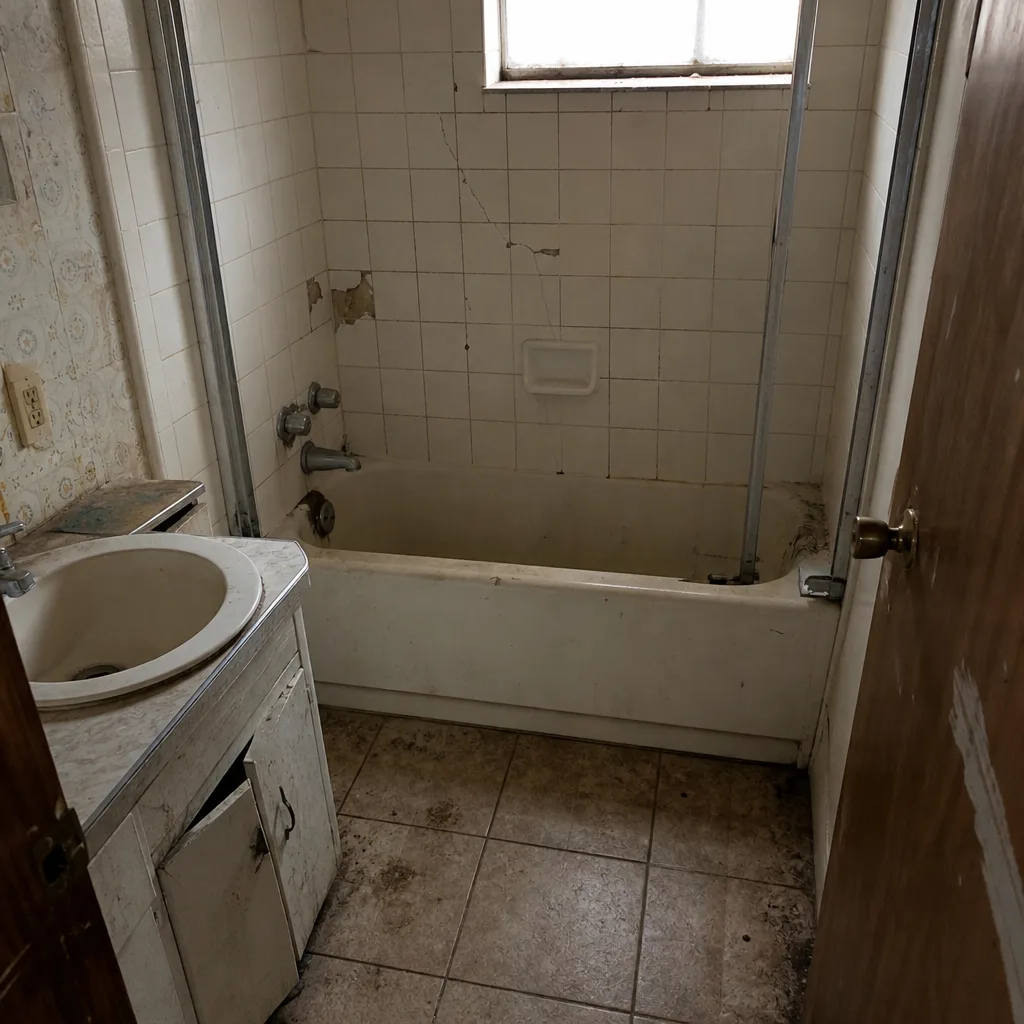
- Bathroom remodeling
- Home additions & ADU
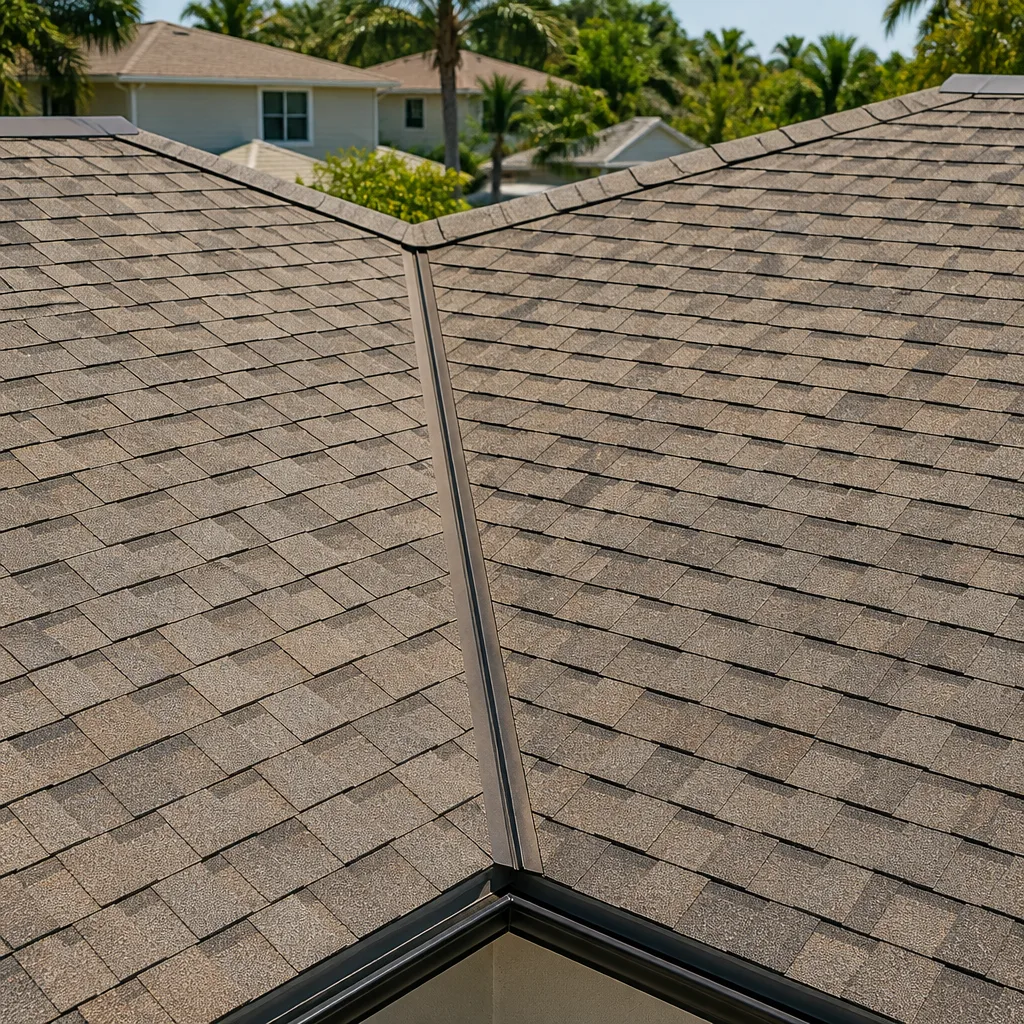
- Roofing
- Windows & doors
- Driveway & pavers
- Fence
See the difference
 Before
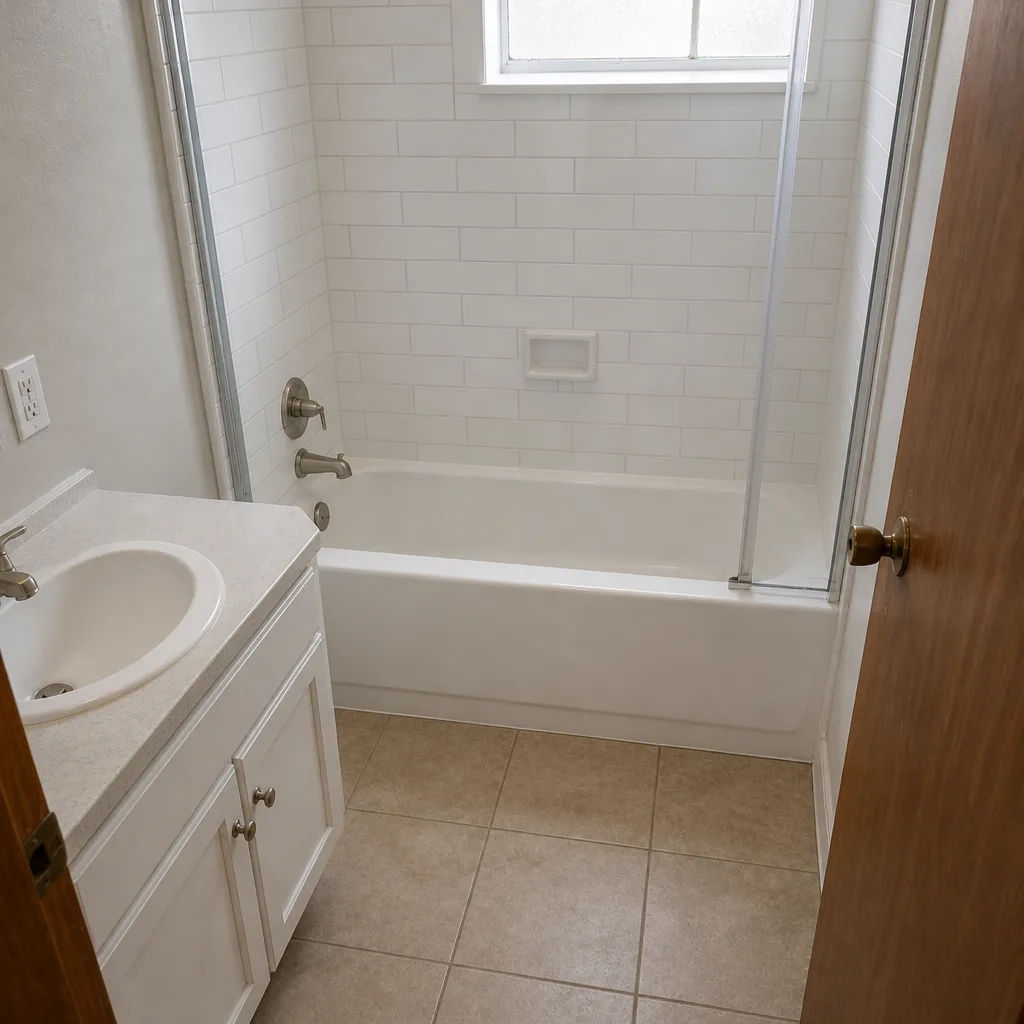 After
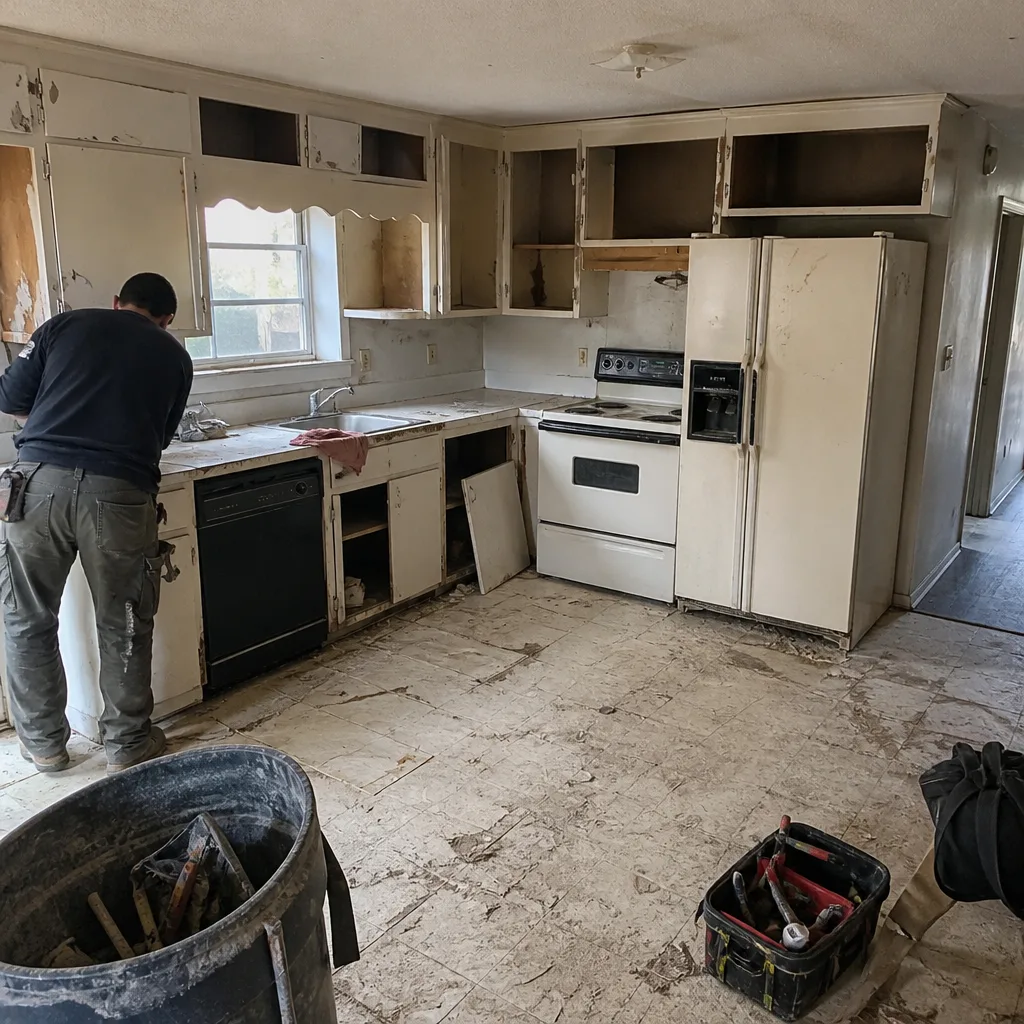 Before
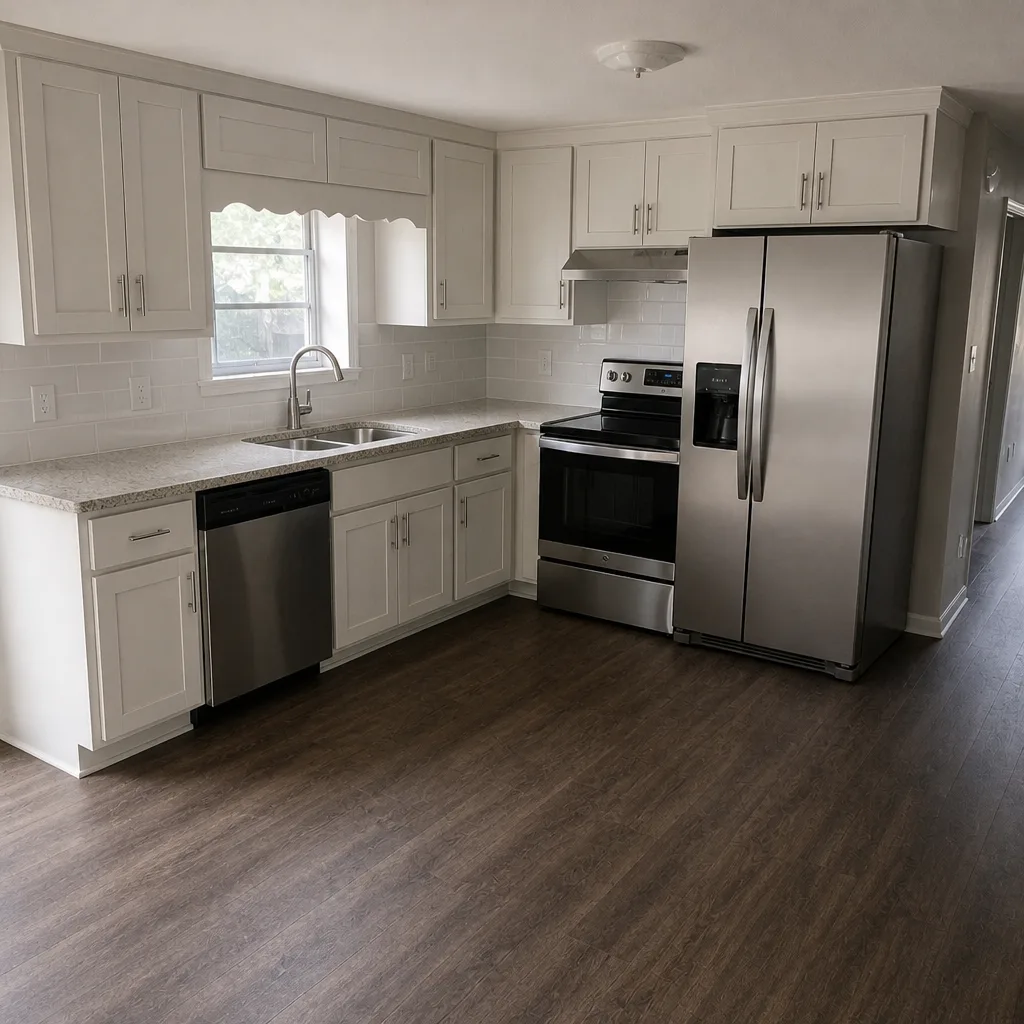 After
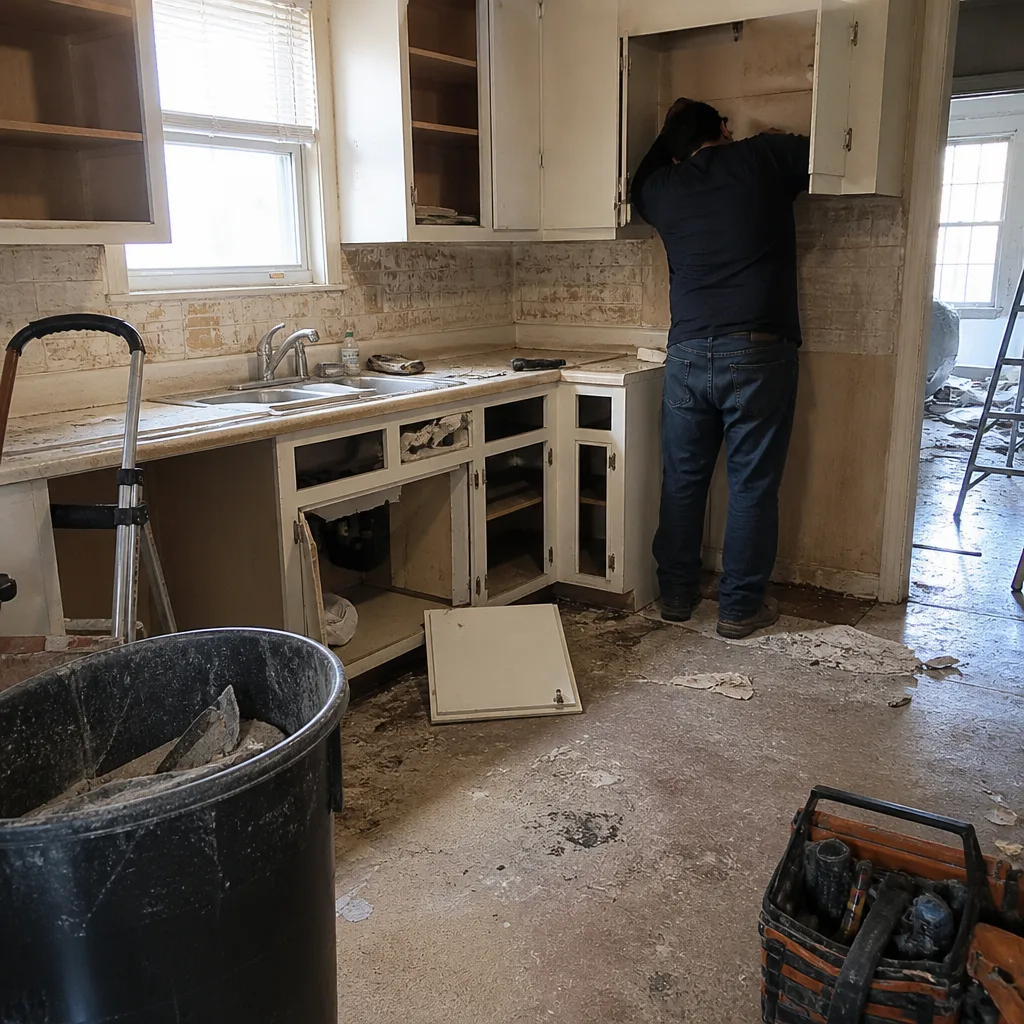 Before
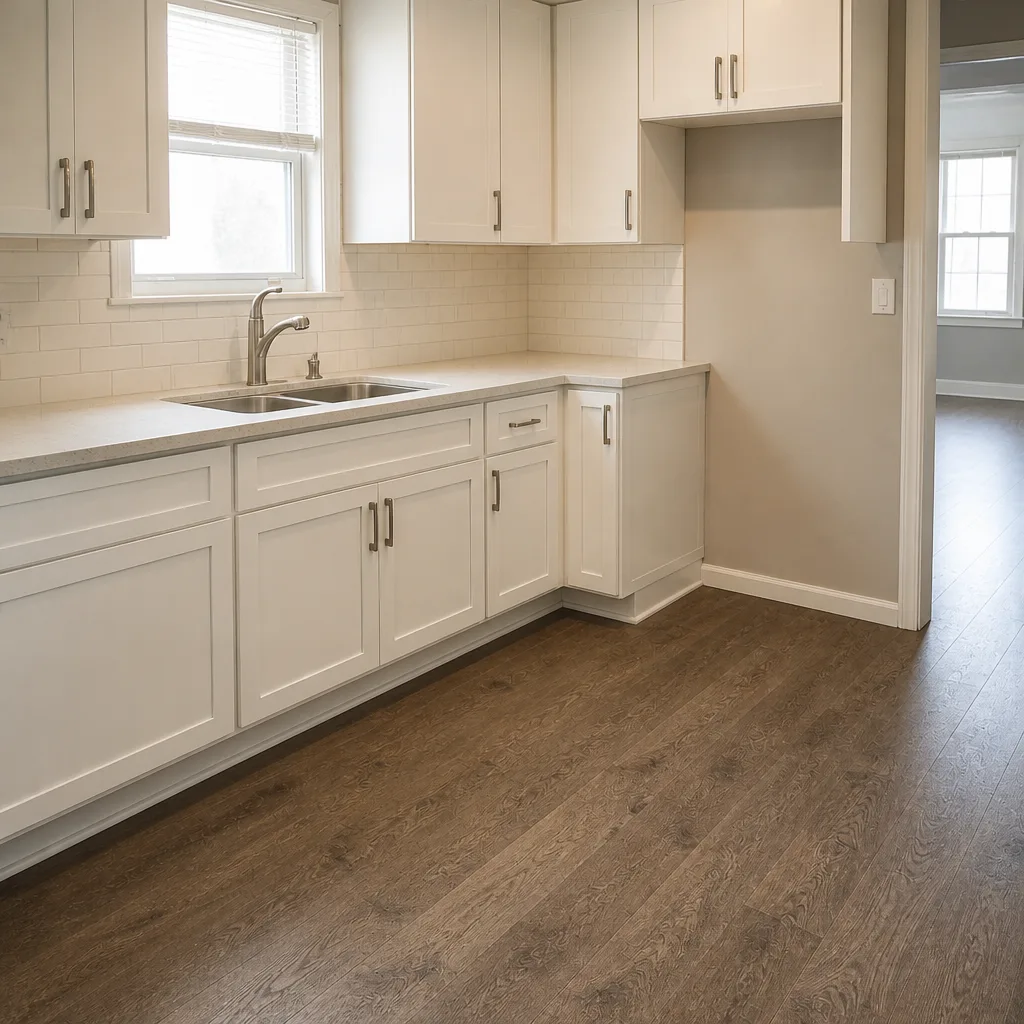 After
Roof Hail Damage Signs in Fort Worth, TX: What Will Actually Leak (and What Only Looks Bad)
The most reliable signs of hail damage on a Fort Worth roof are dented soft metals (gutters, drip edge, vents), bruised or missing granules, cracked pipe boots, split ridge cap caulk, and displaced step flashing at dormers and walls. Most of that damage is cosmetic. The damage that actually causes leaks is concentrated in the last three items, plus deck delamination that stays hidden until the shingles come off. Knowing which is which shapes both your insurance claim and your repair priority.
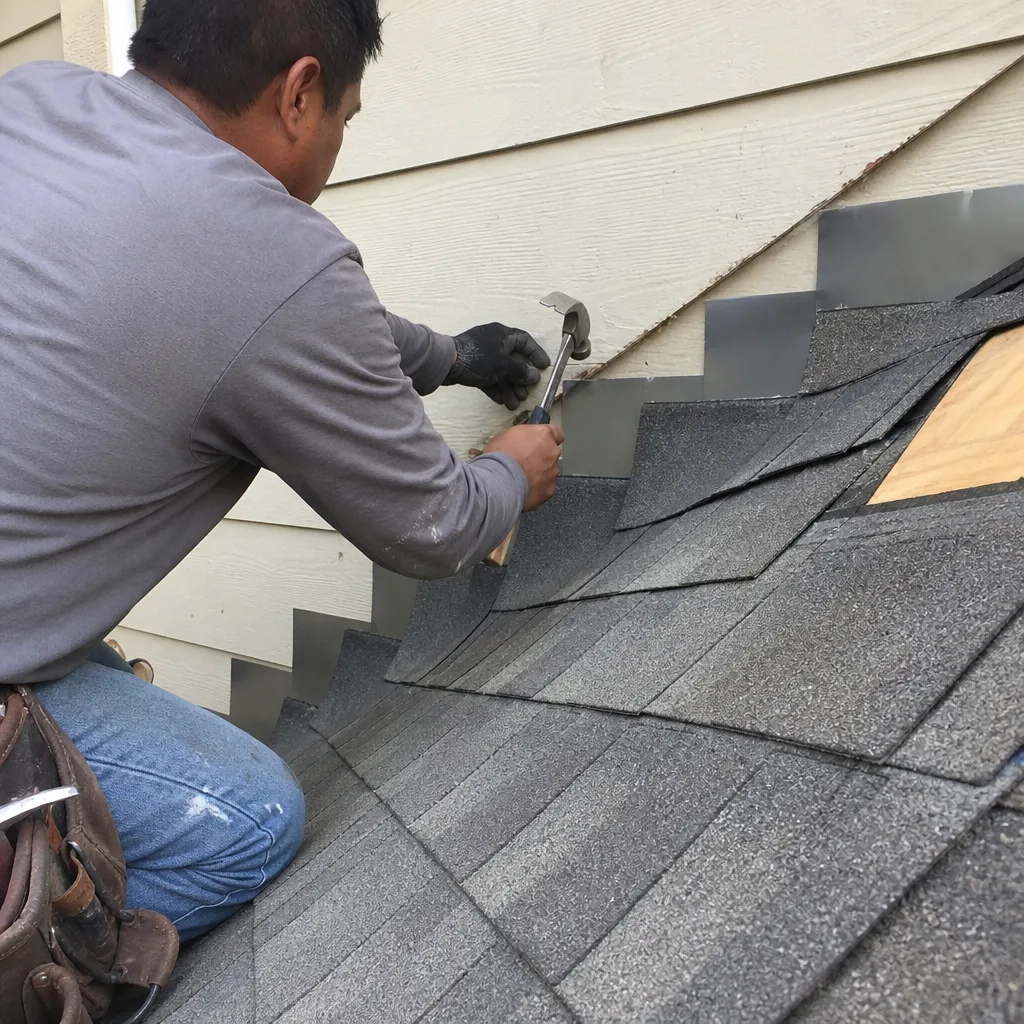
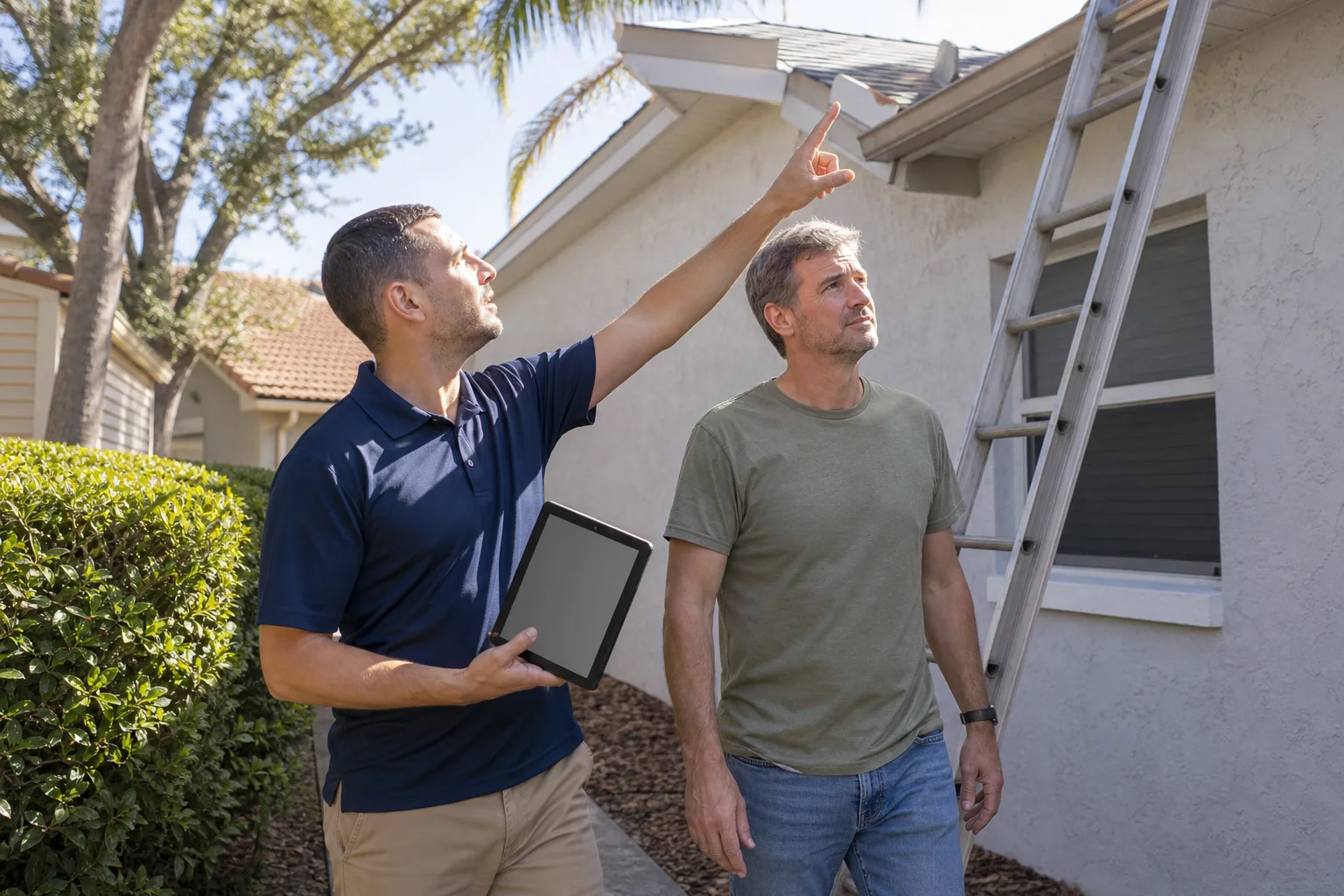
We inspect Fort Worth roofs after every significant hail event, and the pattern we see after a storm is consistent: the roof that photographs worst from the driveway is often the one with the least functional damage, and the roof that looks fine is the one with the split pipe boot and the flashing pulling away at the dormer. Our technicians have up to 12 years of experience reading exactly that gap, and the 730-Day Done Right Promise stands behind every repair we recommend. If it’s not done right, we make it right.
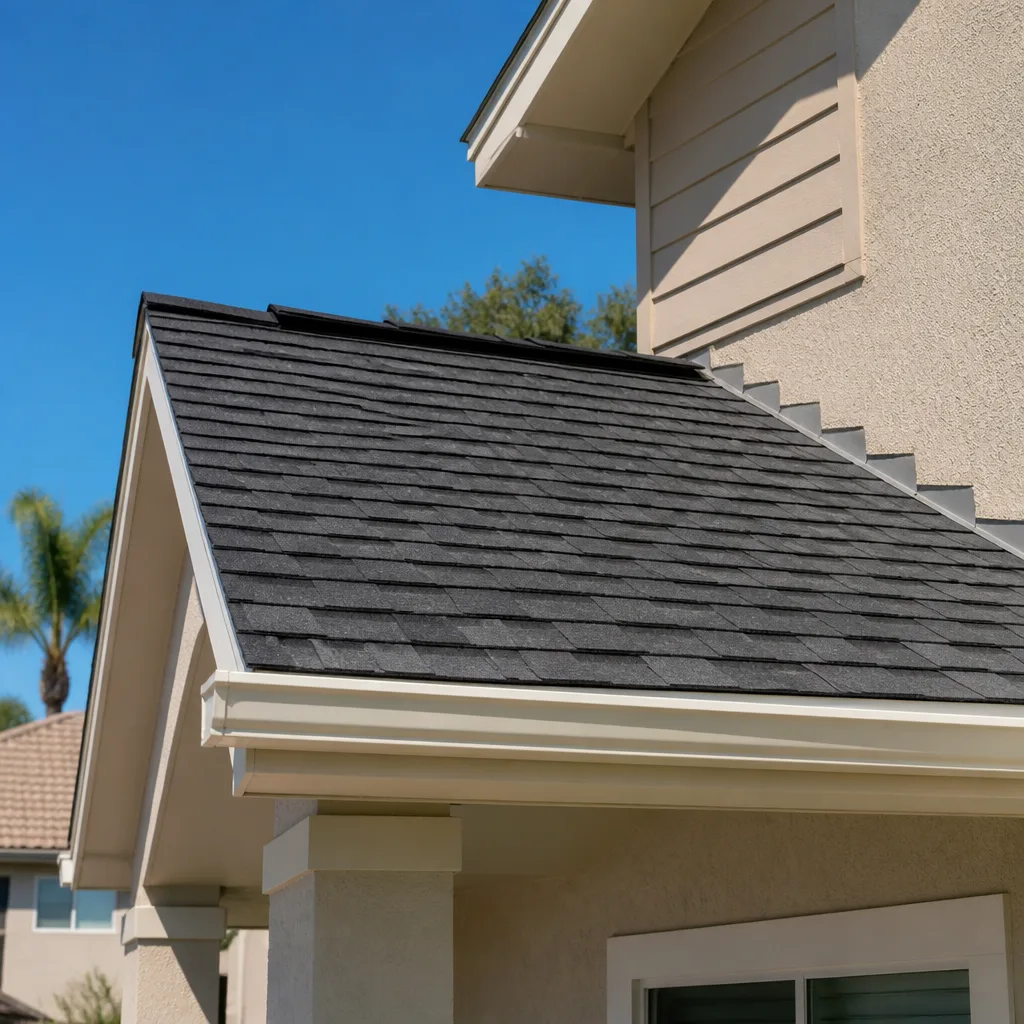
Functional Damage vs. Cosmetic Damage: The Distinction Most Guides Miss
Hail damage comes in two categories, and nearly every guide conflates them. Functional damage affects a roof’s ability to shed water and stays under repair priority. Cosmetic damage affects appearance and doesn’t threaten the inside of your house on any predictable timeline.
- Functional (leak-causing): split pipe boots, cracked ridge cap and hip cap caulk, displaced or torn step flashing at walls and dormers, valley metal that’s been deformed by hail, punctured or fractured vent housings, granule loss concentrated along valleys and rake edges.
- Cosmetic (won’t leak on its own): granule bruising spread evenly across field shingles, dimples in gutters and downspouts, fascia cap dings, paint chipping on drip edge, cosmetic dents in HVAC condenser cabinets and flashing.
The reason this matters: insurance adjusters commonly (and correctly) validate cosmetic damage and pay for full roof replacement when the cosmetic damage is severe enough across the field. But when you’re deciding how quickly to fix it - and what to fix first - functional damage wins. A bruised shingle will take years to crack. A split pipe boot can leak into a hallway ceiling the next time a two-inch storm rolls through. If your roof has a split pipe boot today, that’s the roof item we prioritize.
See our Roofing page for the full repair and replacement scope we run in Fort Worth.
The Hail Stone Size That Changes Your Options in Fort Worth
Tarrant County sees roughly three to four significant hail events per decade, and the 1-inch line is where the math on your shingle class changes. Below 1 inch, most Class 3 architectural shingles shrug off hits with modest granule loss. At and above 1 inch, a standard architectural shingle starts losing functional integrity at impact points, and that’s already before you factor in Fort Worth’s north-Texas straight-line wind events, which often arrive in the same system as the hail.
Class 4 impact-resistant shingles are rated to resist the same 1-inch-plus stones that start to dethrone a Class 3. If you’re facing a replacement today, knowing what’s up there matters. If your home already has Class 4, you’re in a much stronger position post-storm - you may avoid a full replacement over field bruising alone. If you have standard architectural from the 1990s build era, expect real functional damage the next time a 1-inch-plus event lands.
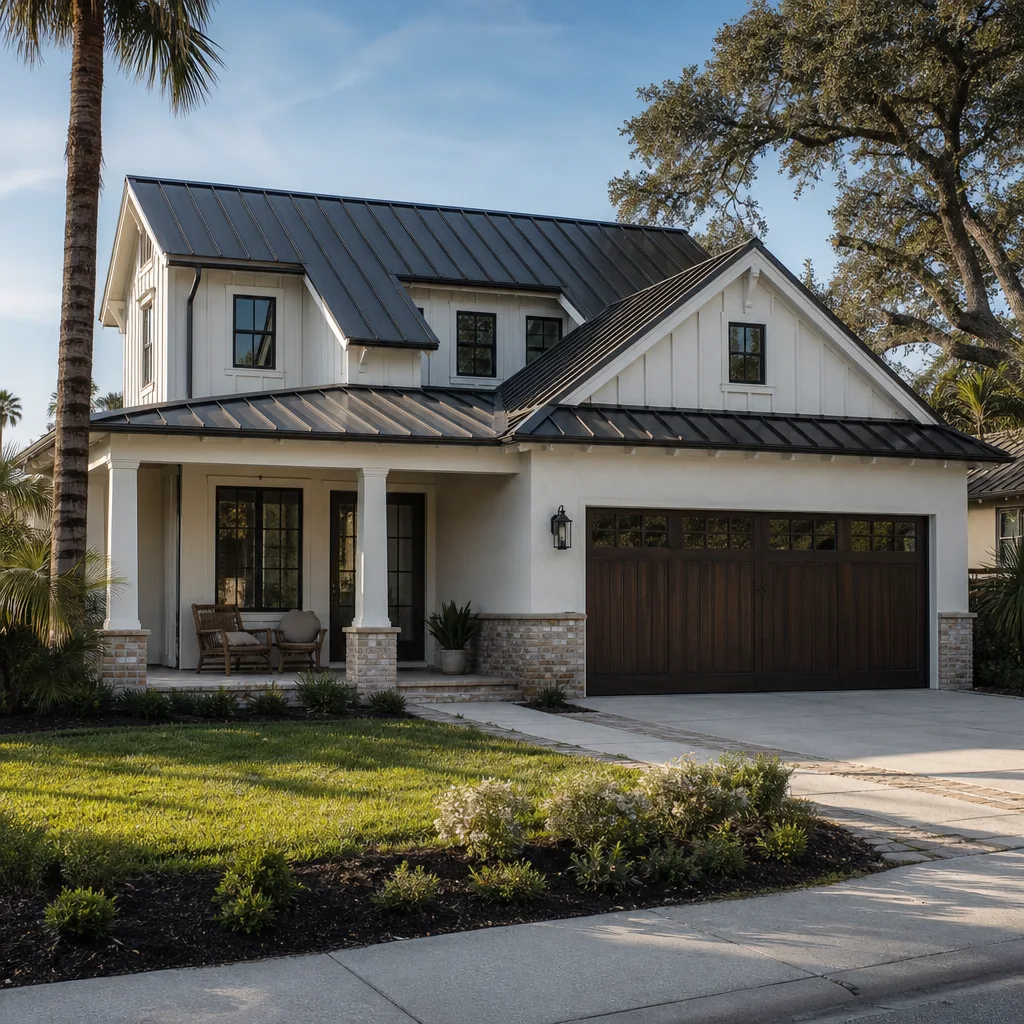
We install GAF and Owens Corning systems in Fort Worth, and both make a Class 4 product line. We’ll tell you which class is currently on the roof - and what’s worth replacing now versus after the next hail event.
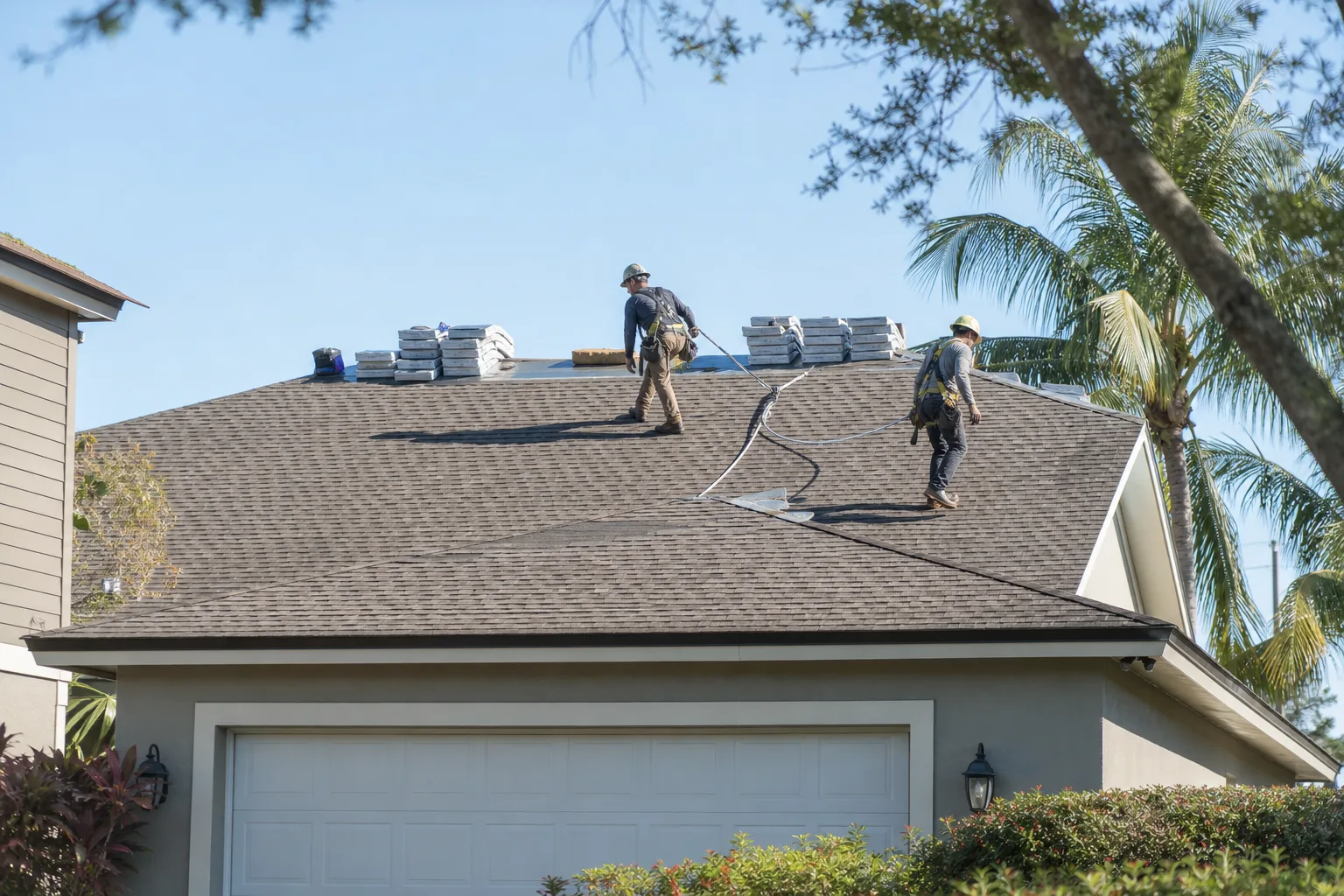
The Chalk-Mark Test: What Adjusters Look For (and You Can Pre-Check)
Before an adjuster visits, we do a preliminary test on the soft metals that tells us how seriously the shingles are likely to be treated. Homeowners can do a version of it themselves to know what to expect.
- Pick a soft-metal surface you can reach safely - the gutter apron along the front, the drip edge at a lower eave, or the flashing on a ground-level HVAC unit.
- Use a piece of chalk (sidewalk chalk works) and circle any dent or dimple you can see or feel.
- Wipe the chalk across the dent. If the chalk catches and holds the impression rather than sliding over it evenly, it’s a real hail strike. If the chalk slides right off, it’s manufacturing dent or handling damage.
- Photograph each marked dent with a measuring reference (a coin works) so the photo is useful.
This is a preliminary test. Our full inspection uses the same methodology on every reachable soft-metal component plus a walk of the plane-by-plane field. We don’t guess what an adjuster will accept - we document what’s there with photos and measurements so the adjuster’s report and ours agree.
The Hidden Item Most Fort Worth Claims Miss: OSB Deck Delamination
Homes built during Fort Worth’s 1990s construction boom, particularly the mid-century-to-2000s subdivisions in the northwest and far west, often have original OSB (oriented strand board) decking under their shingles. Original OSB handles a single hail event fine. The problem is what happens over repeated hits - impact fractures the surface resin, then summer heat and humidity work in from that fracture, and the panel starts delaminating from the inside out.
The delamination is invisible from above until the shingles come off during a re-roof. When it’s there, the deck has to be replaced along with the shingles, and the cost shifts materially. Our post-storm inspections include an underside check in attic spaces where we can see whether the deck is showing telegraphing or sag that suggests it’s failing. We tell you on the front end so the estimate is honest about scope, not so you get a surprise a week into the job.
What a Post-Storm Inspection Should Produce
A post-storm roof inspection from Groundwork Construction Co. of Fort Worth produces a written, itemized scope - not just a quote. The scope separates functional from cosmetic findings, notes each item’s location with photos, records measurements of notable hits, and lists soft-metal test results. That document is what homeowners hand to an adjuster, and it’s what makes the difference between a claim that goes through cleanly and one that comes back with a “please re-inspect” letter.
Our inspectors come in uniform and are background-checked. Calls are answered by a live person 24/7, so a Saturday-after-the-storm call doesn’t land in voicemail until Monday morning. The whole process is designed so you’re not the one chasing the paperwork.
Fort Worth roofing in this climate is a two-part job: patching up the old while the new keeps getting built - mixed housing stock in the historic districts, expansive black clay soil movement affecting the foundations beneath all of it, spring hail and north-Texas wind events setting the pace. What works in a brand-new far-west subdivision is different from what a 1920s bungalow in Ryan Place needs, and the inspection has to account for that.
FAQs
Roof hail damage looks like fresh granule loss in concentrated spots, dents in soft metal, split pipe boots, or cracked ridge cap caulk after a known hail event. Normal wear shows as evenly distributed granule loss, general aging, and consistent shingle color fade without impact marks. The fastest way to tell is the chalk test on soft metals, paired with a plane-by-plane visual walk.
Yes, most Fort Worth roof hail damage claims can include cosmetic damage when the field damage meets your insurer’s threshold for replacement. The rule of thumb: cosmetic-only field damage may not always justify replacement, but once functional damage shows up alongside it, the scope expands. Call (855) 912-5373 for an inspection that documents both categories in writing.
Roof repair in Fort Worth typically runs $400-$1,800 for cosmetic and small functional fixes, and roof replacement runs $8,000-$20,000 depending on size and shingle class. If your claim is approved, insurance covers most of it minus your deductible, and we offer 0% financing for 18 months on the portion you’re covering yourself. Call (855) 912-5373 for an exact quote - estimates are free.
Within 7 to 14 days of the storm, especially if the storm produced stones 1 inch or larger. That window lets you file the claim while it’s fresh and lets us inspect before secondary storm damage complicates the picture. We answer calls 24/7, so you can reach us the same evening the storm passes.
Get a Documented Inspection Before You File
If you’d rather have it looked at, Groundwork Construction Co. of Fort Worth offers a no-pressure assessment in Fort Worth - call (855) 912-5373. You’ll get the same itemized scope we use to separate functional from cosmetic findings, with photos and measurements that an adjuster can work from. Free estimate, upfront pricing, and a 730-Day Done Right Promise behind every recommendation.
Written by the team at Groundwork Construction Co. of Fort Worth, serving Fort Worth, TX.