

Free written scope consultation - allowances, timeline, and change-order rules on paper before a single trade is scheduled
Styles & brands we work with
- Kitchen remodeling
- Bathroom remodeling
- Home additions & ADU
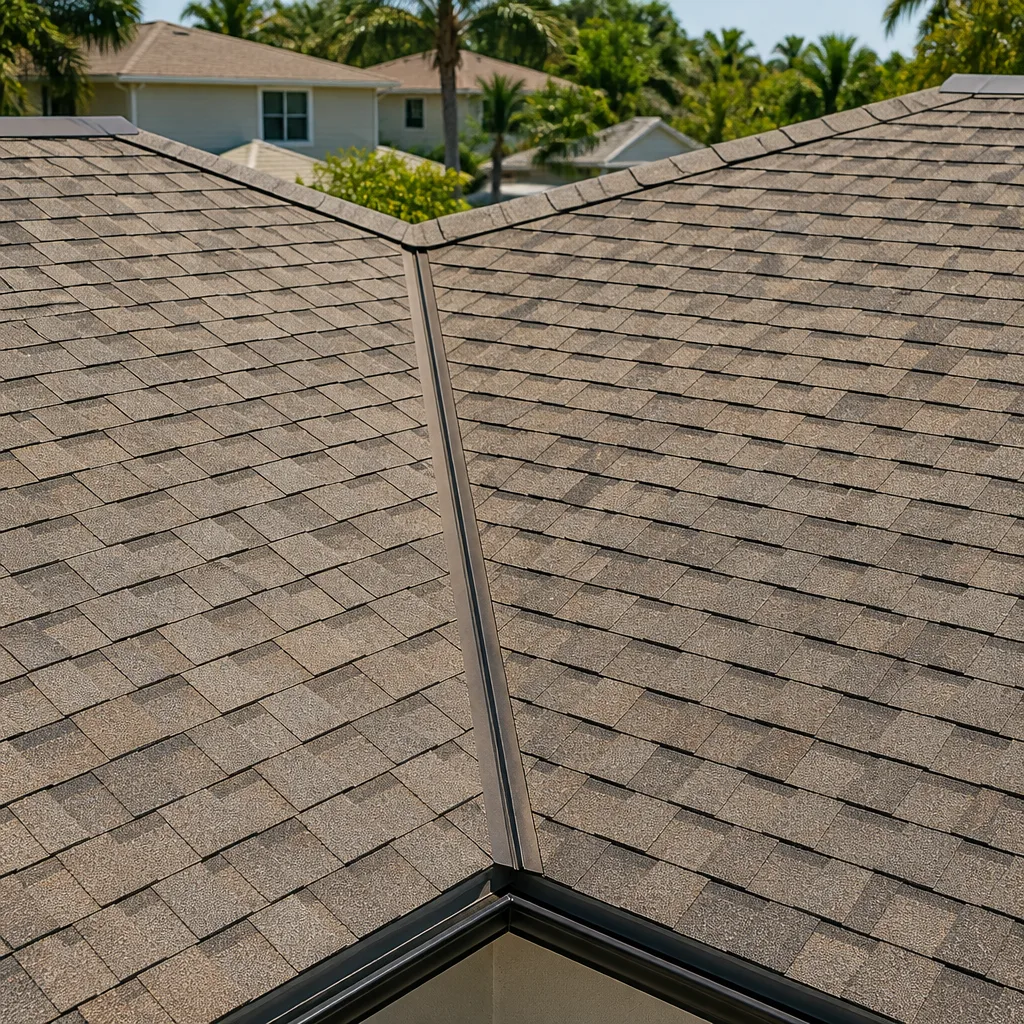
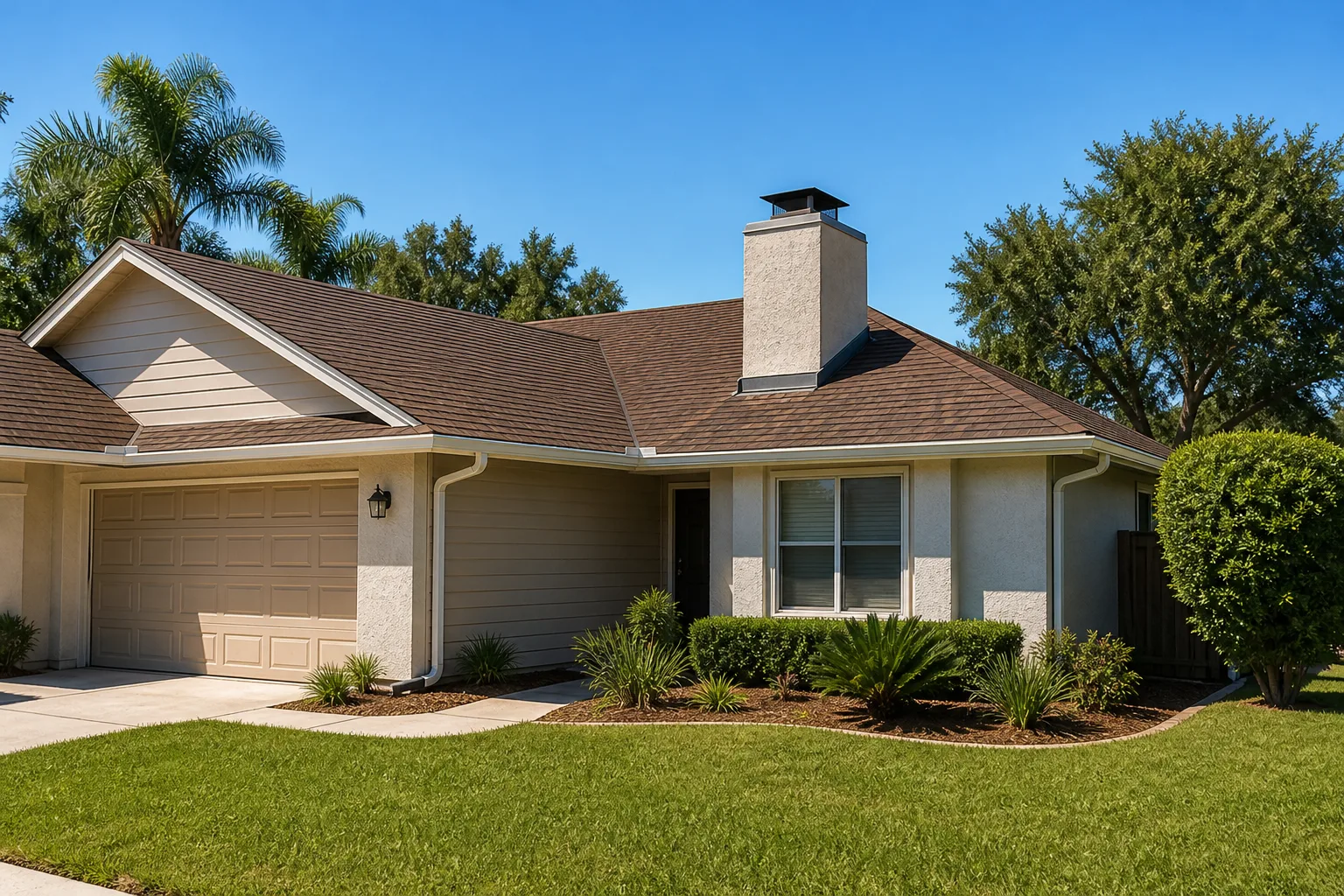
- Roofing
- Windows & doors
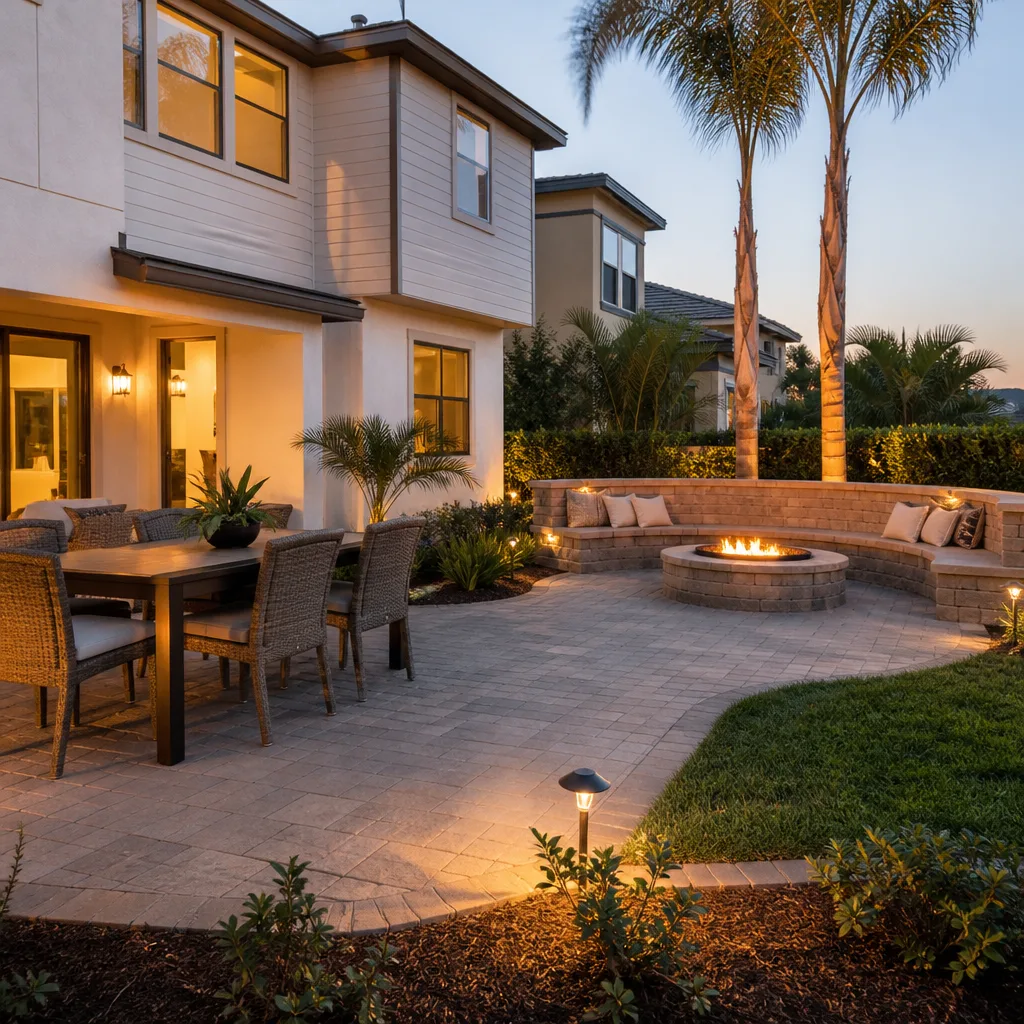
- Driveway & pavers
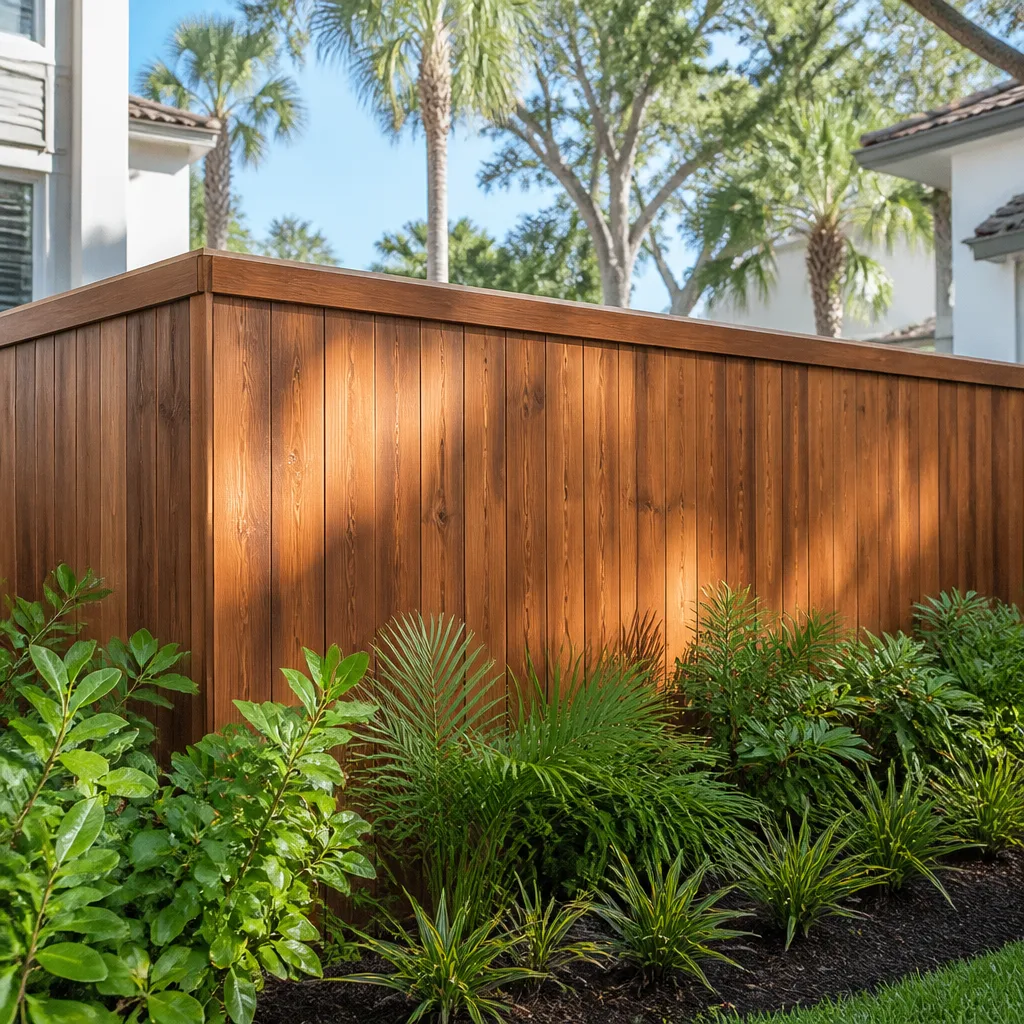
- Fence
See the difference
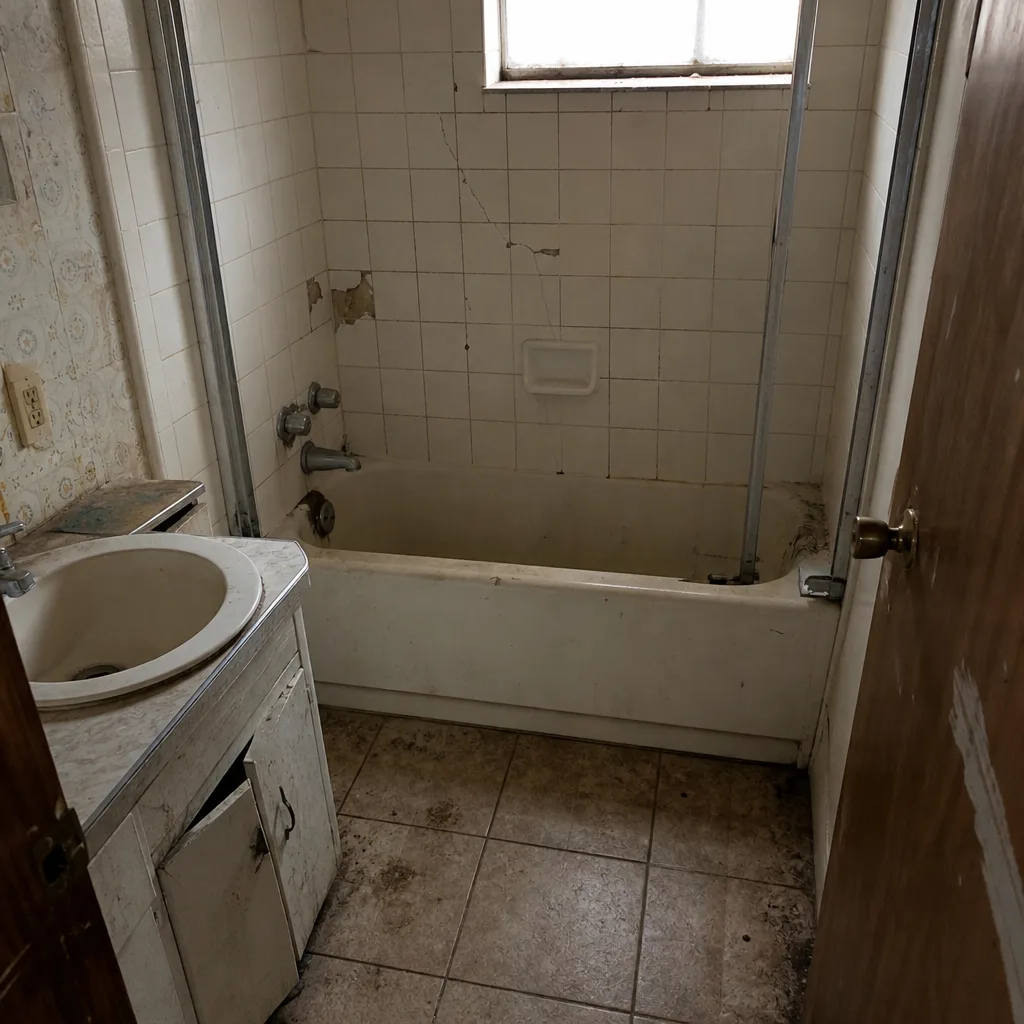 Before
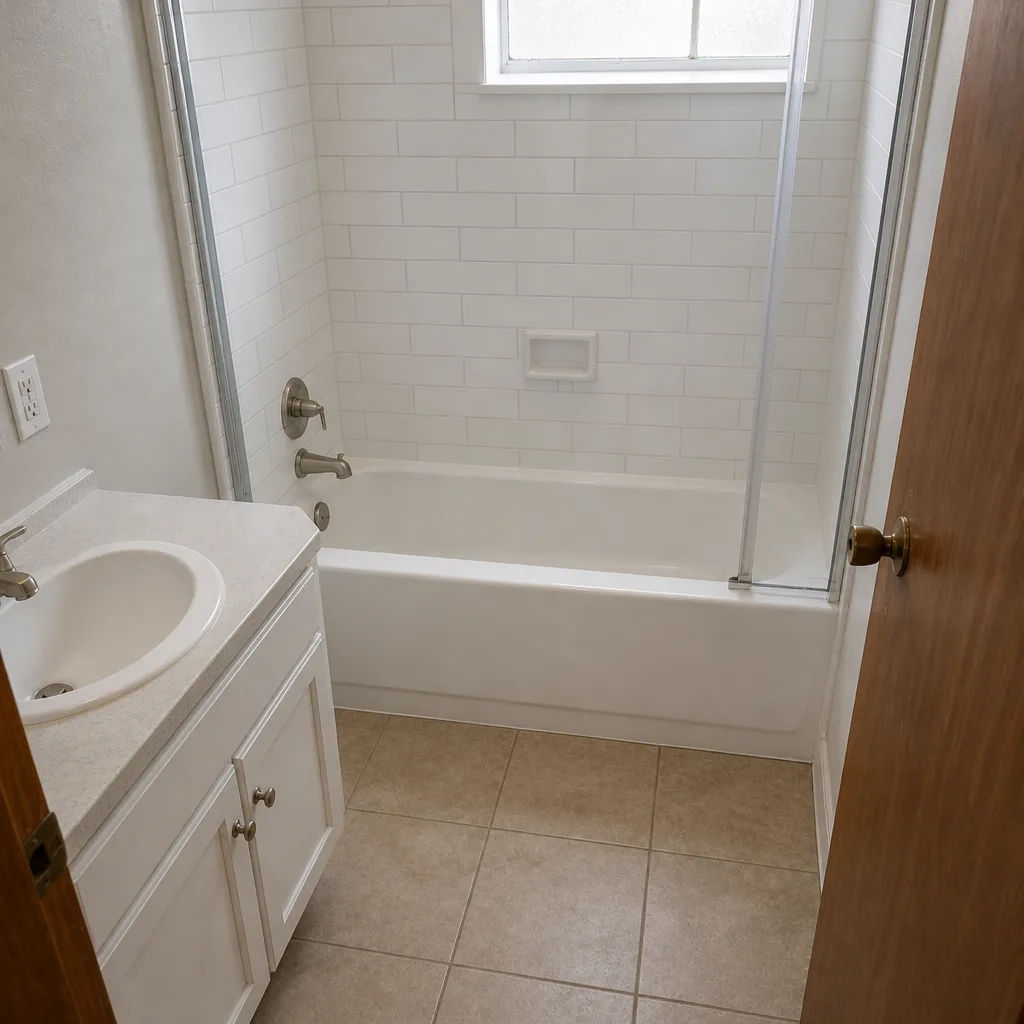 After
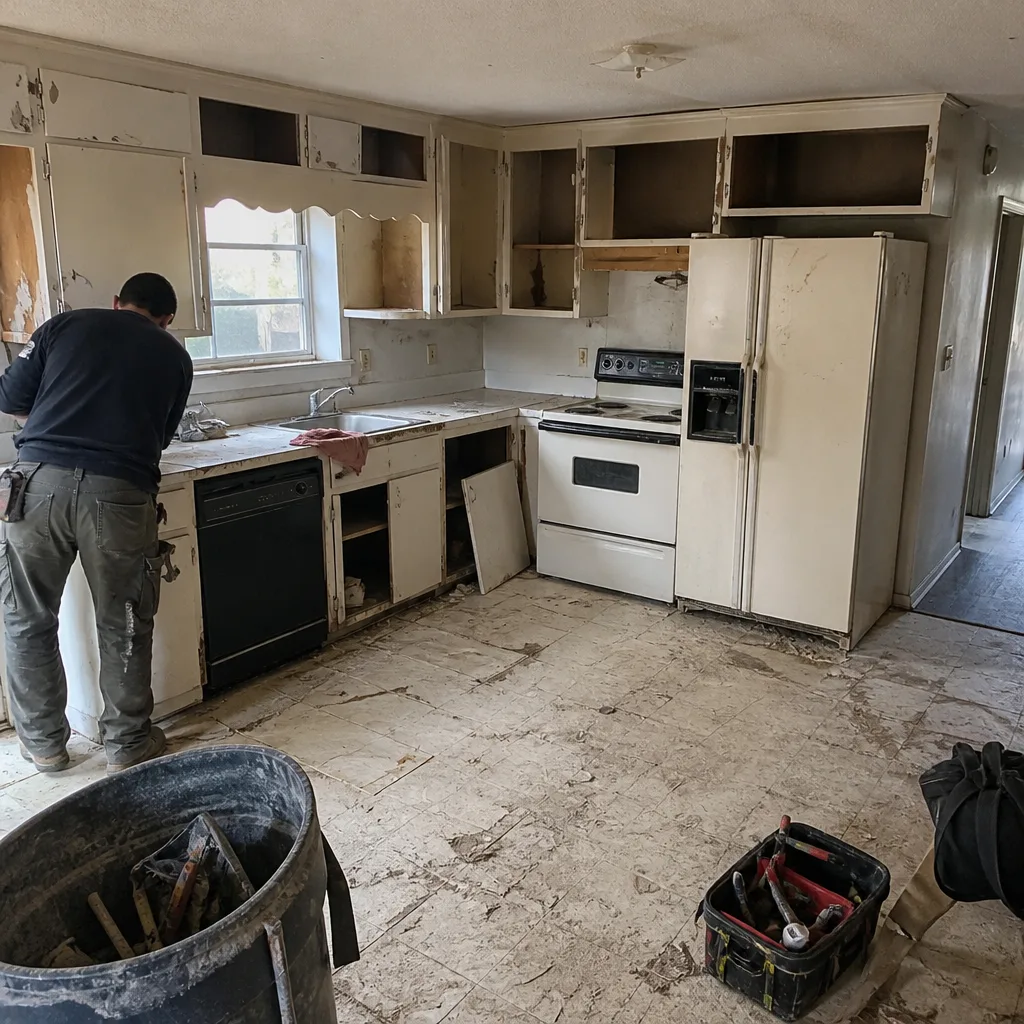 Before
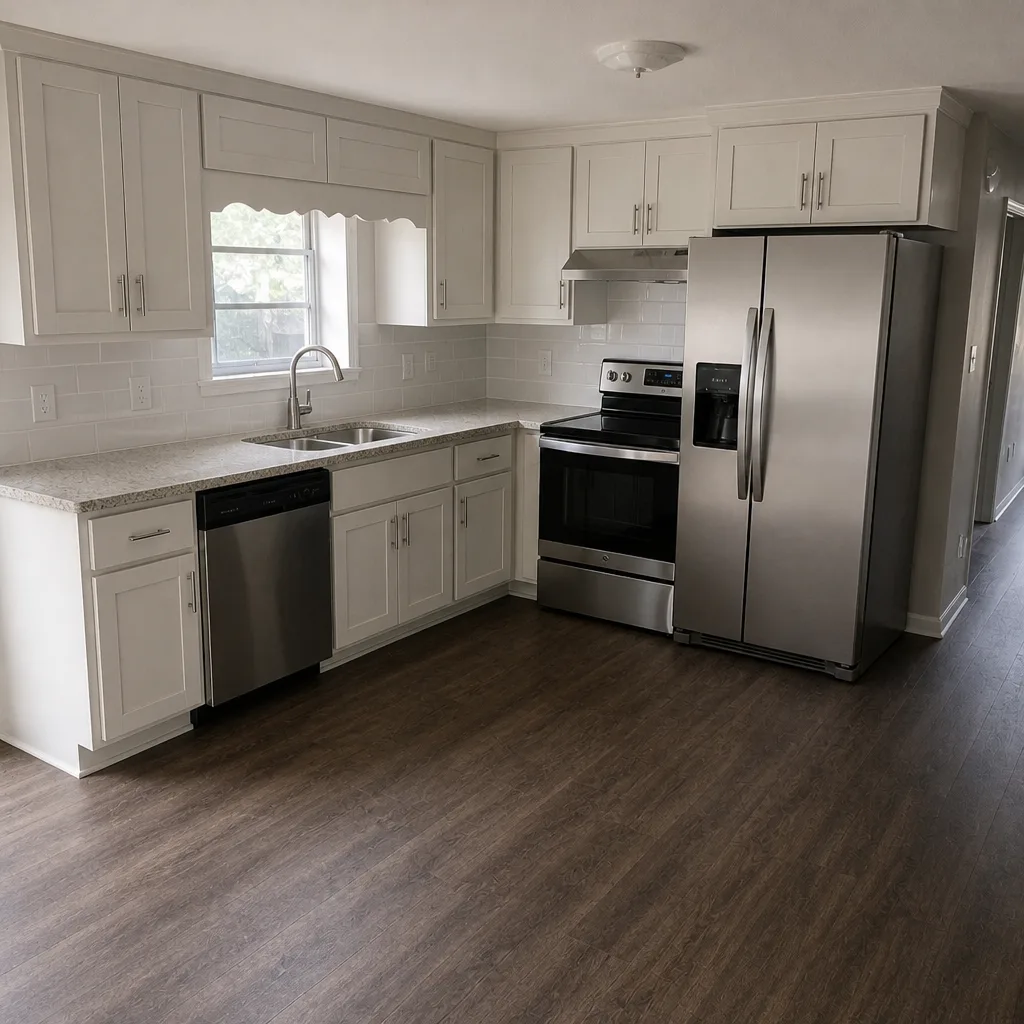 After
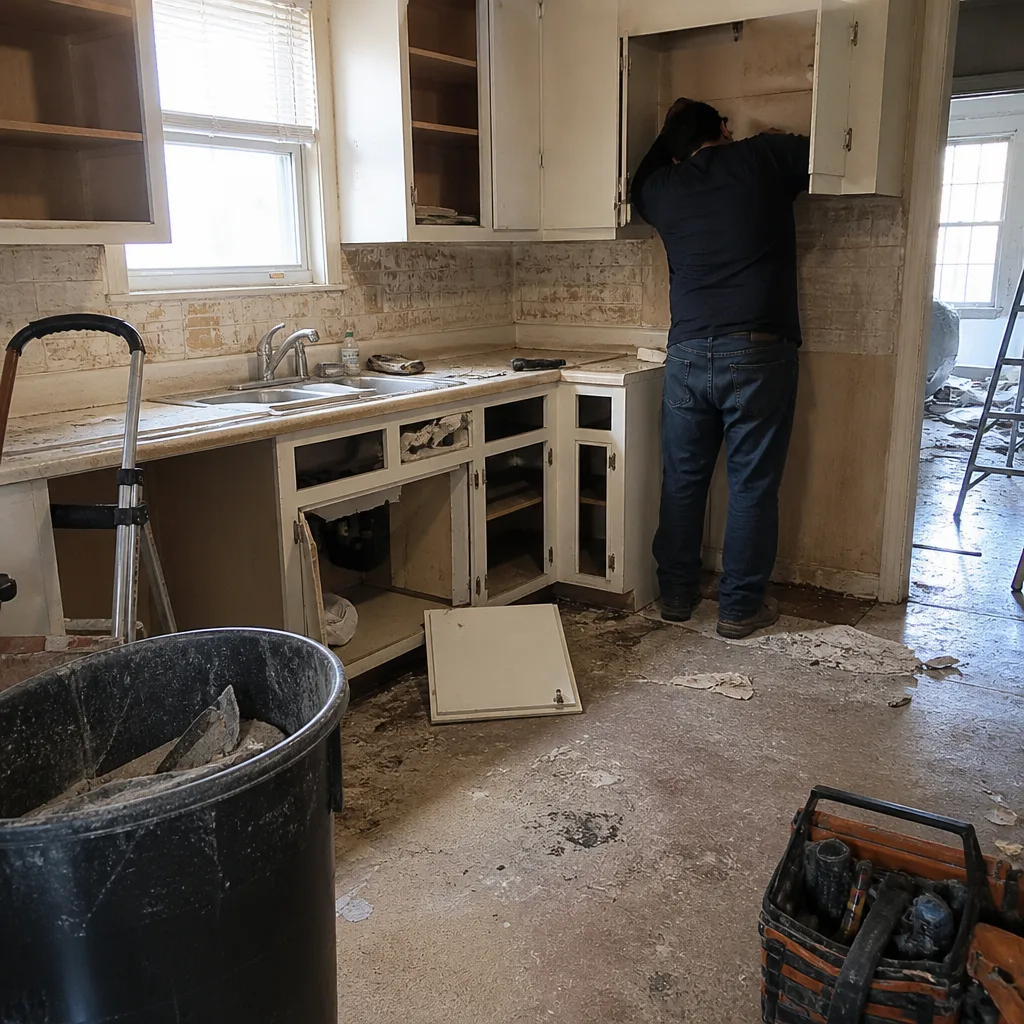 Before
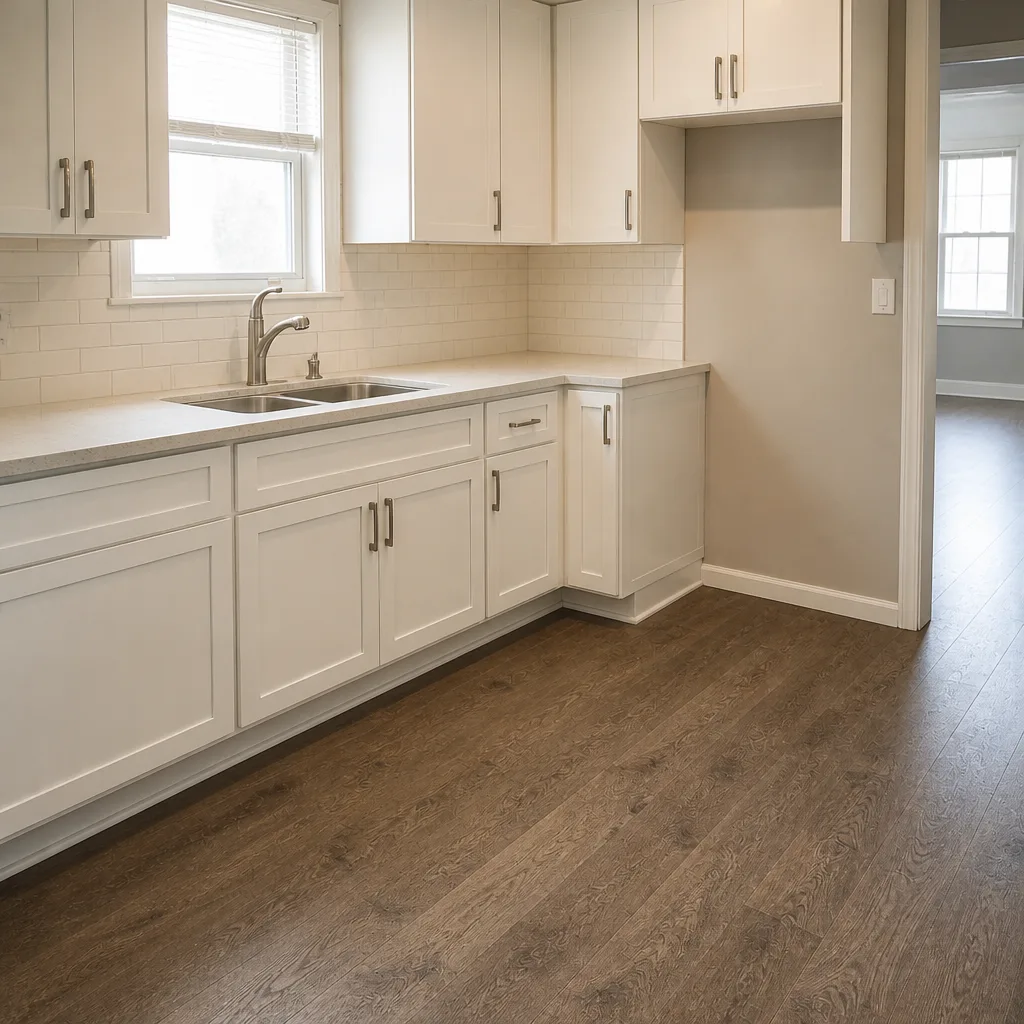 After
Signs You Need a New Roof in Fort Worth, TX: The Soil Movement Tell Most Homeowners Miss
The most reliable sign you need a new roof in Fort Worth is a wavy or bowed ridge line, followed by curling shingles, granule loss in gutters, and interior water staining, because on this city’s pier-and-beam homes those first two signals often point to soil movement underneath rather than shingle failure alone. Fort Worth homeowners sometimes replace a roof that didn’t need replacing, and sometimes live under a failing roof for years because they’re watching for the wrong signs. The difference usually comes down to whether you can read a roof that’s been stressed by expansive black clay, not just weather. When something looks off, call (855) 912-5373 – a live person answers any hour.
Why Fort Worth Roofs Fail Differently Than the National Guides Suggest
Standard “signs you need a new roof” lists were written for temperate climates. North Texas doesn’t cooperate with that script. Two forces shape local roof wear, and both deserve a place on any inspection checklist you build for a Fort Worth home.
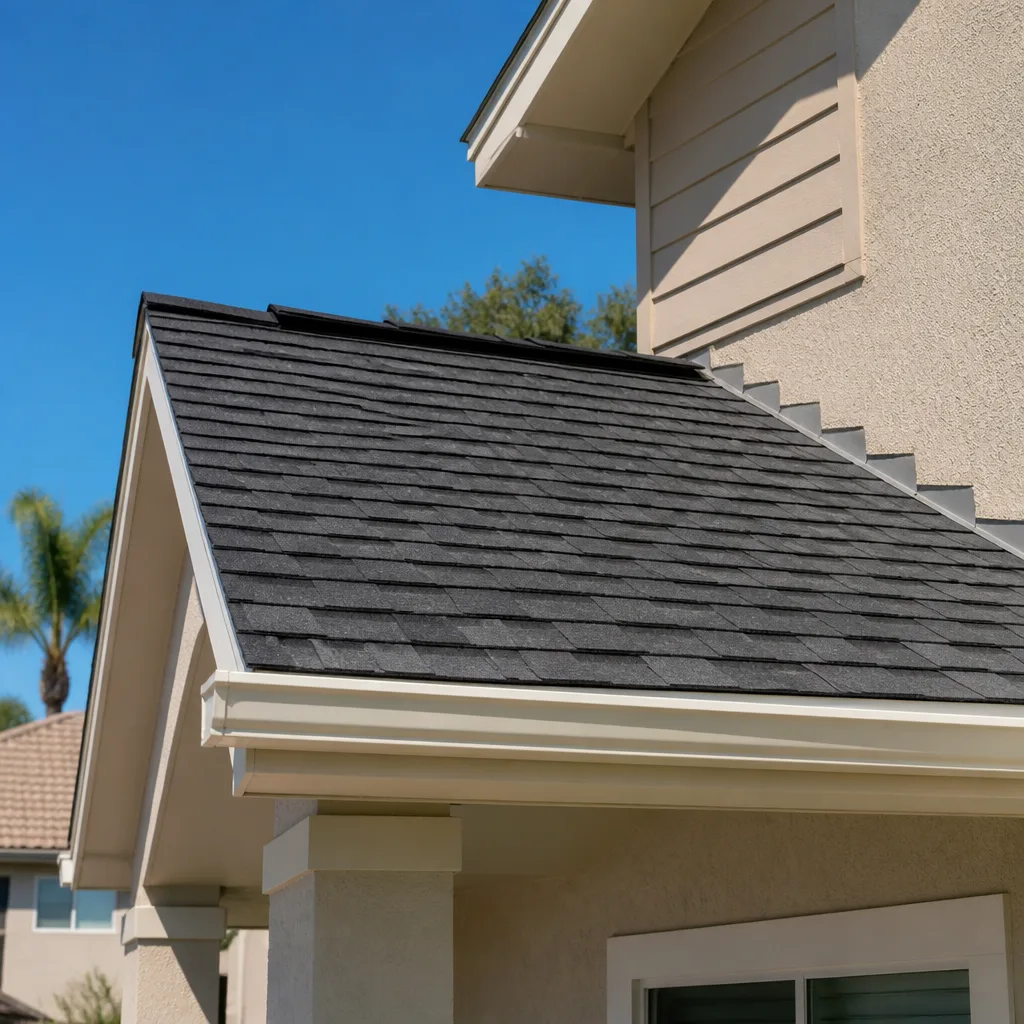
The first is UV load. A 15-year-old architectural shingle in Fort Worth has absorbed far more sun hours across long, aggressive summers than the same shingle would in Minneapolis. The age-based replacement rules you read online assume a milder climate, so the real question is how many brutal UV cycles a shingle has actually survived, not the calendar age printed on your paperwork. When we look at a roof in Ryan Place or Fairmount, we’re weighing exposure, not just the number.
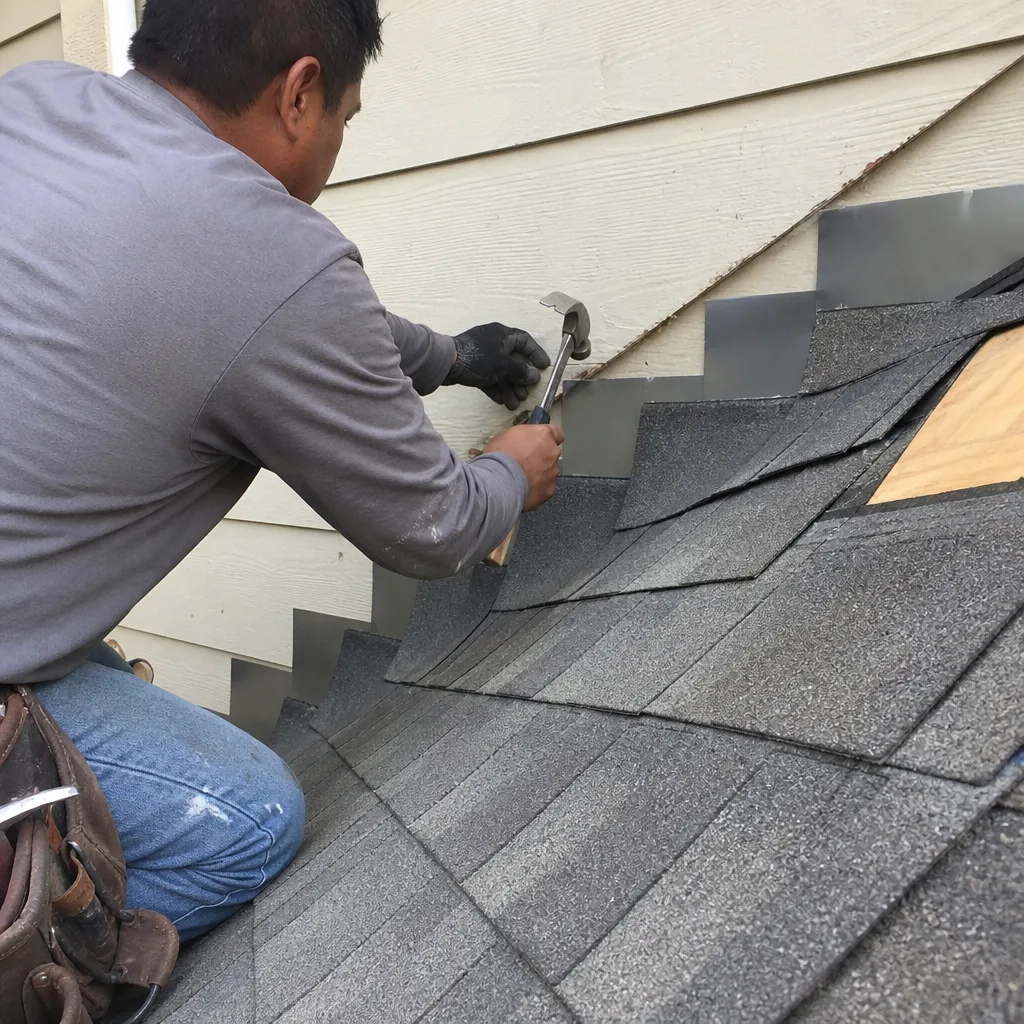
The second force is soil. The region’s expansive black clay moves with every wet-dry swing, pulling foundations a fraction at a time. That movement travels straight up through the framing and shows up in the roofline. A pier-and-beam Craftsman in Fairmount that’s racked even half an inch can open flashing gaps at the chimney and valleys that look exactly like shingle failure. Re-roofing over that without addressing the structure is money spent twice. If that’s what we find, we say so before anyone signs for a tear-off.
What to Look For: A Comparison of Cosmetic vs. Structural Warning Signs
Separating surface wear from structural movement is the whole job. Here’s how the two categories stack up, so you know which signals mean “plan for a Roofing project” and which mean “get the deck and framing looked at first.”
| Warning Sign | What It Usually Means | Typical Next Step |
|---|---|---|
| Curling, cupping, or missing shingles | Normal age and UV wear | Repair or full replacement evaluation |
| Granules in gutters and downspouts | Shingle nearing end of life for Fort Worth’s UV load | Budget for replacement, get an inspection |
| Wavy or bowed ridge line | Soil movement moving up through framing | Structure assessment before any re-roof |
| Stair-step cracks in brick mortar at gable ends | Possible rafter spread compromising the deck | Attic deck inspection, not just a shingle look |
| Leak at chimney or valley only | Failed flashing, not failed shingles | Re-flashing rather than replacement |
Notice how the last three rows all point at something a shingle swap won’t fix. That’s where most of the expensive misdiagnoses happen in Fort Worth.
Interior Clues That Get Missed on Clay-Soil Homes
Homeowners in Fairmount and Ryan Place often spot the interior symptoms first. Stair-step cracks in the brick mortar at the gable ends are one to take seriously. That pattern can indicate rafter spread that’s compromising the roof deck, not just the cosmetic settling everyone expects from old clay-soil foundations. A crack that’s purely aesthetic doesn’t widen; one tied to active movement usually keeps growing from one inspection to the next.
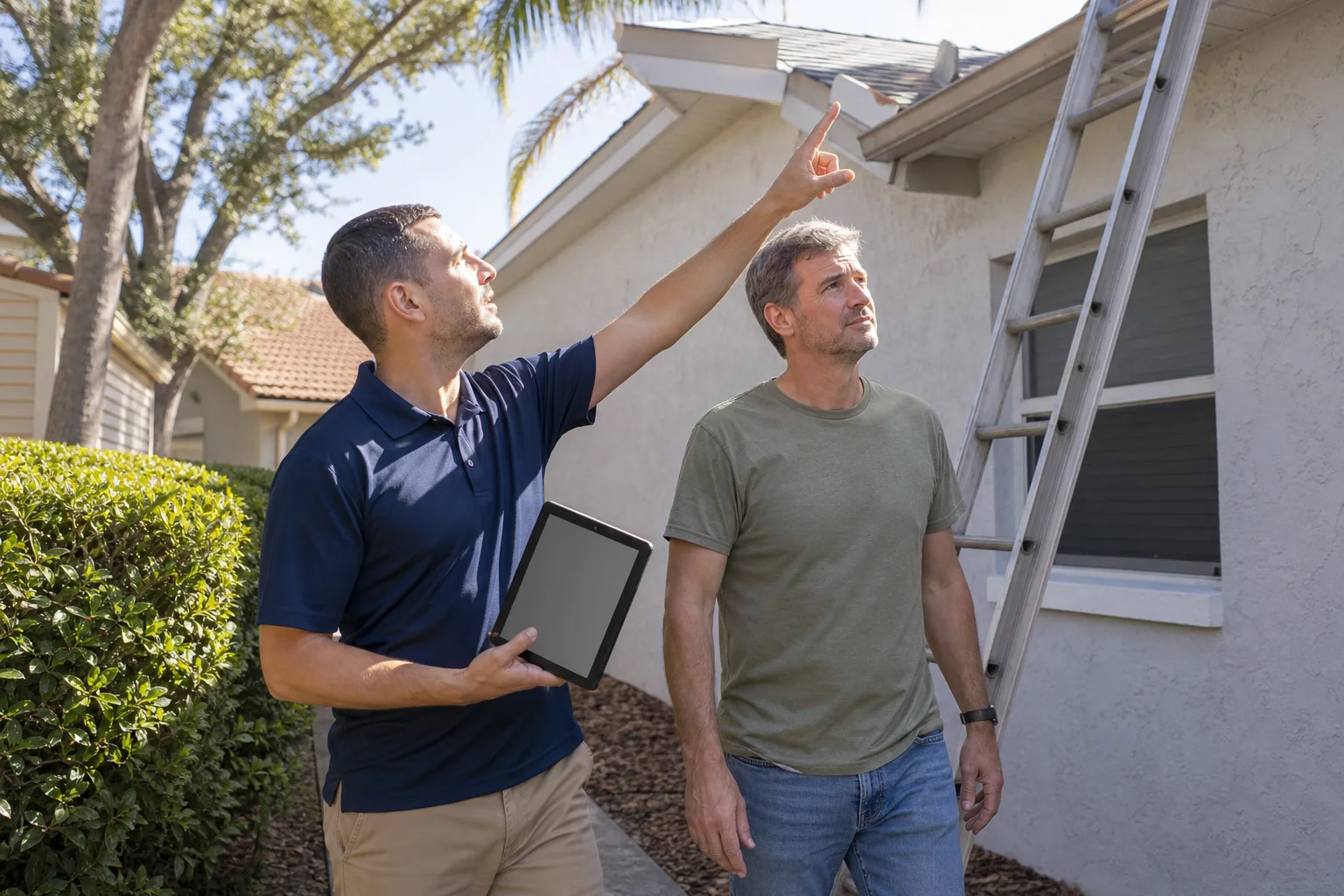
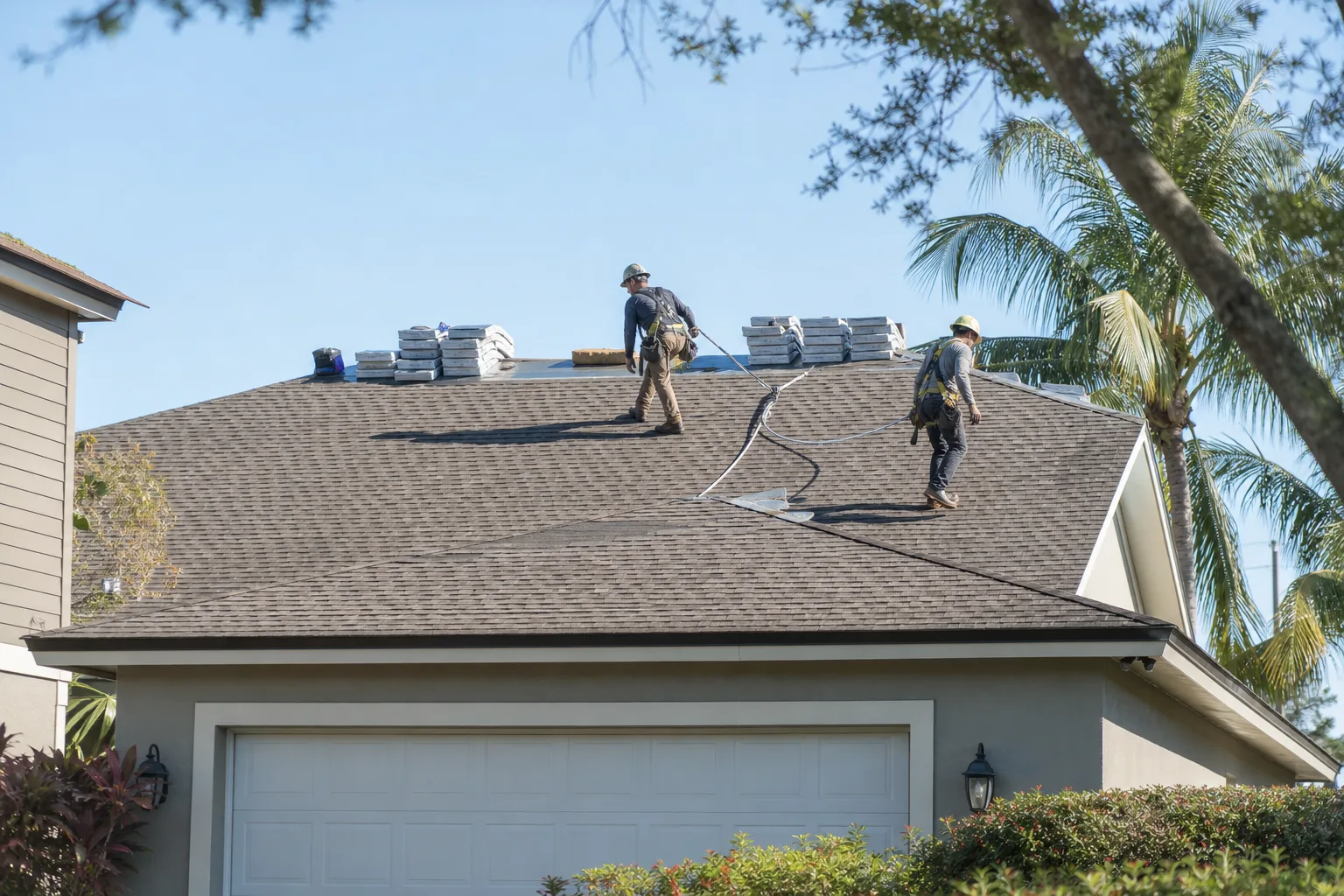
Water staining on a ceiling near an exterior wall, day-lighting around a chimney, and daylight showing through the attic sheathing all deserve a look from the deck up. We start every inspection from the attic deck down, not from a drone pass or a curbside glance. Background-checked inspectors walk the same properties our installers do, and they carry the same accountability as the installation crew – which matters when the answer turns out to be “your shingles are fine, your flashing isn’t.”
Replacement or Re-Flashing? The Expensive Misdiagnosis
A recurring valley or chimney leak is often a flashing problem, not a shingle problem, and conflating the two is one of the costliest mistakes we see. Re-flashing the trouble spots can resolve it for a fraction of the cost of a full replacement. Here’s the practical math, using Fort Worth market ranges, so you can see the gap:
- Roof replacement: $8,000-$20,000 for most homes in Fort Worth
- Roof repair: $400-$1,800 for targeted fixes like flashing, valley patches, or isolated shingle damage
- Tile roof repair: $600-$2,500 when individual tiles are the issue rather than the underlayment
- Metal roof installation: $15,000-$40,000, worth considering when you’re replacing and want a much longer UV service life
A roof that’s leaking in one spot but looks solid everywhere else probably needs repair, not replacement. One that’s shedding granules, curling at the edges, and wavy along the ridge is telling you a different story. If you’ve been told you need a whole new roof for a single chimney leak, a second opinion costs nothing and can save thousands. We quote with upfront pricing – no surprises – so the number you see is the number you pay.
When to Call a Professional vs. Keep Watching
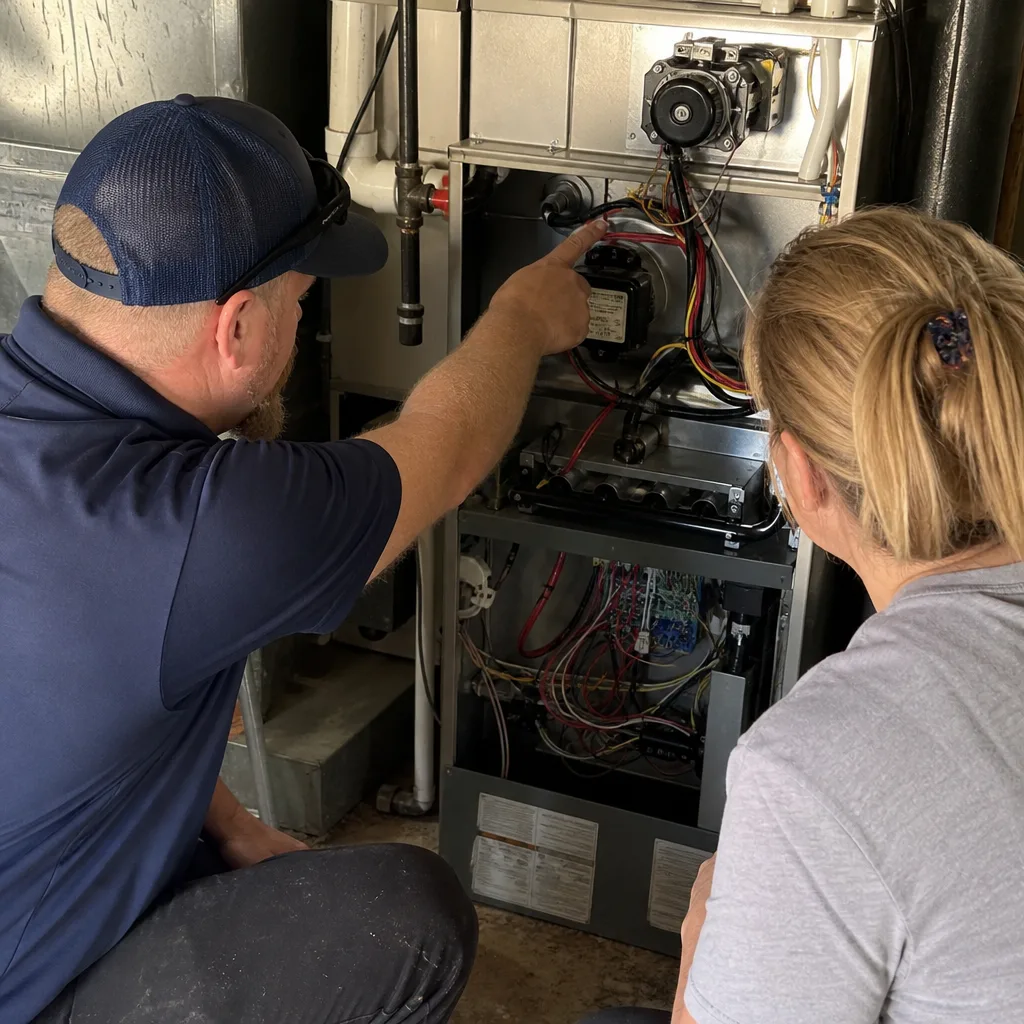
Call a pro the moment you see wavy ridge lines, active leaks, or stair-step brick cracking, because those need a trained eye to tell structure from surface. For ordinary wear – a few granules, slightly weathered shingles, nothing actively leaking – a scheduled inspection within the season is enough. North Texas hail and straight-line wind events change the equation fast, so a roof that looked fine last summer can develop impact damage no homeowner will spot from the ground. Our technicians have up to 12 years of experience reading these Texas roofs, and every project comes with the 730-Day Done Right Promise: if it’s not done right, we make it right, backed in writing.
Fort Worth is a city that keeps building over its own history, and that shows up on local roofs – historic-district homes in the Stockyards area carry design-review overlays, and the crews who pull permits here learn quickly that what passes in a new subdivision won’t pass on a 1920s bungalow block. If your roof project runs into district review, you can see the full scope of what we handle on our home page and throughout our Fort Worth service area. When it’s time for replacement, brand partners like GAF and Owens Corning help ensure the materials match the guarantee, and finishes from Atlas and Tamko give you real choices rather than whatever’s on the shelf.
FAQs
You need a new roof when shingles are curling, granules are gone, and the ridge is wavy across a wide area; you likely need only repair if the failure is isolated to a chimney or valley leak. That second case is usually failed flashing, not failed shingles, and re-flashing costs a fraction of a replacement. Call (855) 912-5373 for an honest assessment – estimates are free and live help is available 24/7.
Roof replacement in Fort Worth typically runs $8,000-$20,000 for most homes, and metal roof installation ranges from $15,000-$40,000 if you’re considering a longer-lifespan upgrade. Targeted roof repair is $400-$1,800, so it’s worth confirming which category your roof is in before you budget. Call for an upfront quote – the number you see is the number you pay, and financing is available.
A wavy or bowed roofline usually means soil movement has worked its way up through your framing, not that the shingles themselves have failed. On the black clay under Fort Worth’s pier-and-beam homes, foundation movement can open flashing gaps that mimic shingle damage. Re-roofing without addressing the structure wastes money, so this is the one sign where you want a deck-down inspection before anything else. Reach out and we’ll take a look.
Often, yes – a leak confined to a chimney or valley is frequently a flashing failure that re-flashing resolves for far less than a full replacement. If the leak is one of several failure signs happening across the whole roof, though, patching alone won’t hold. A quick inspection tells you which it is. Call (855) 912-5373 to schedule one – no voicemail, no waiting until Monday.
Get a Straight Answer on Your Roof
If you’d rather have it looked at than guess, Groundwork Construction Co. of Fort Worth offers a no-pressure roof assessment in Fort Worth. We start from the attic deck down, tell you plainly whether it’s shingles, flashing, or structure, and back any work with our 730-Day Done Right Promise. Call (855) 912-5373 for a free estimate and design consult.
Written by the team at Groundwork Construction Co. of Fort Worth, serving Fort Worth, TX.