Free written scope consultation - allowances, timeline, and change-order rules on paper before a single trade is scheduled
Styles & brands we work with
- Kitchen remodeling
- Bathroom remodeling
- Home additions & ADU
- Roofing
- Windows & doors
- Driveway & pavers
- Fence
See the difference
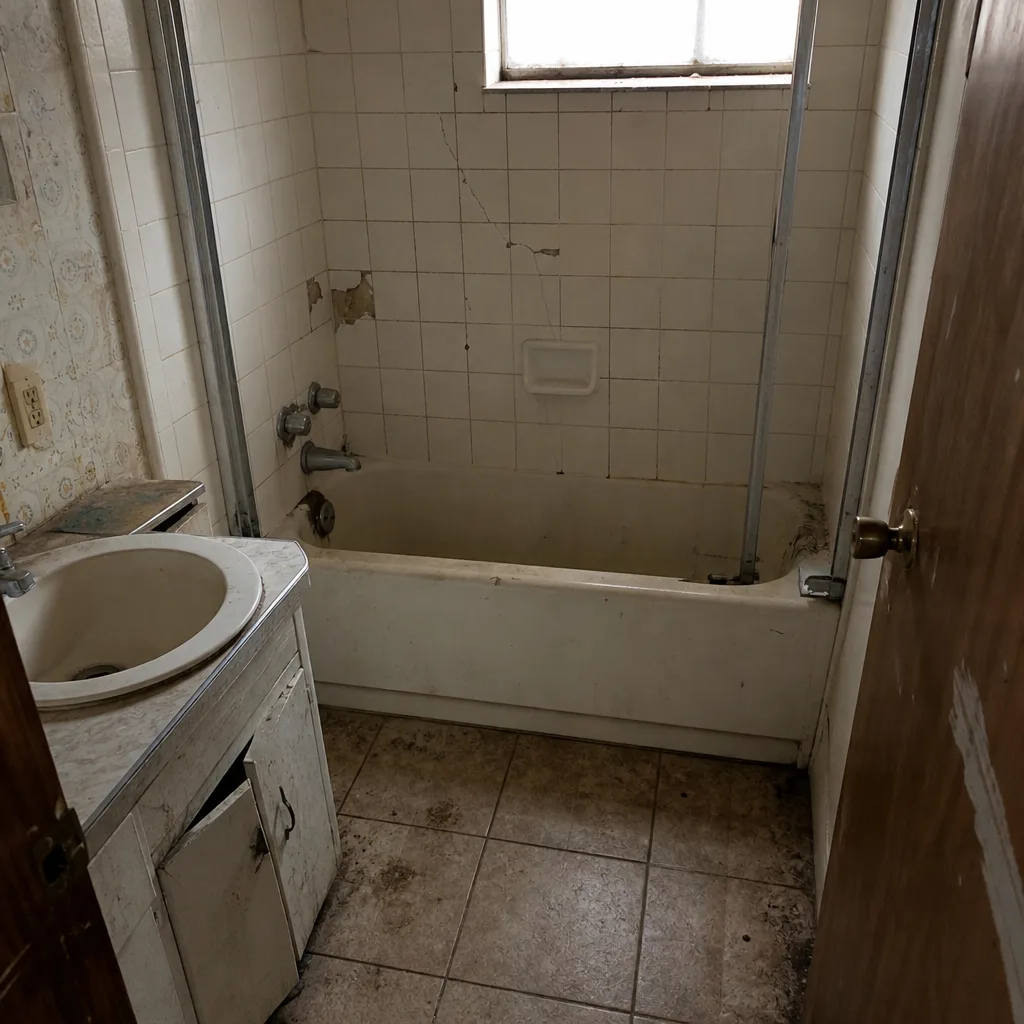 Before
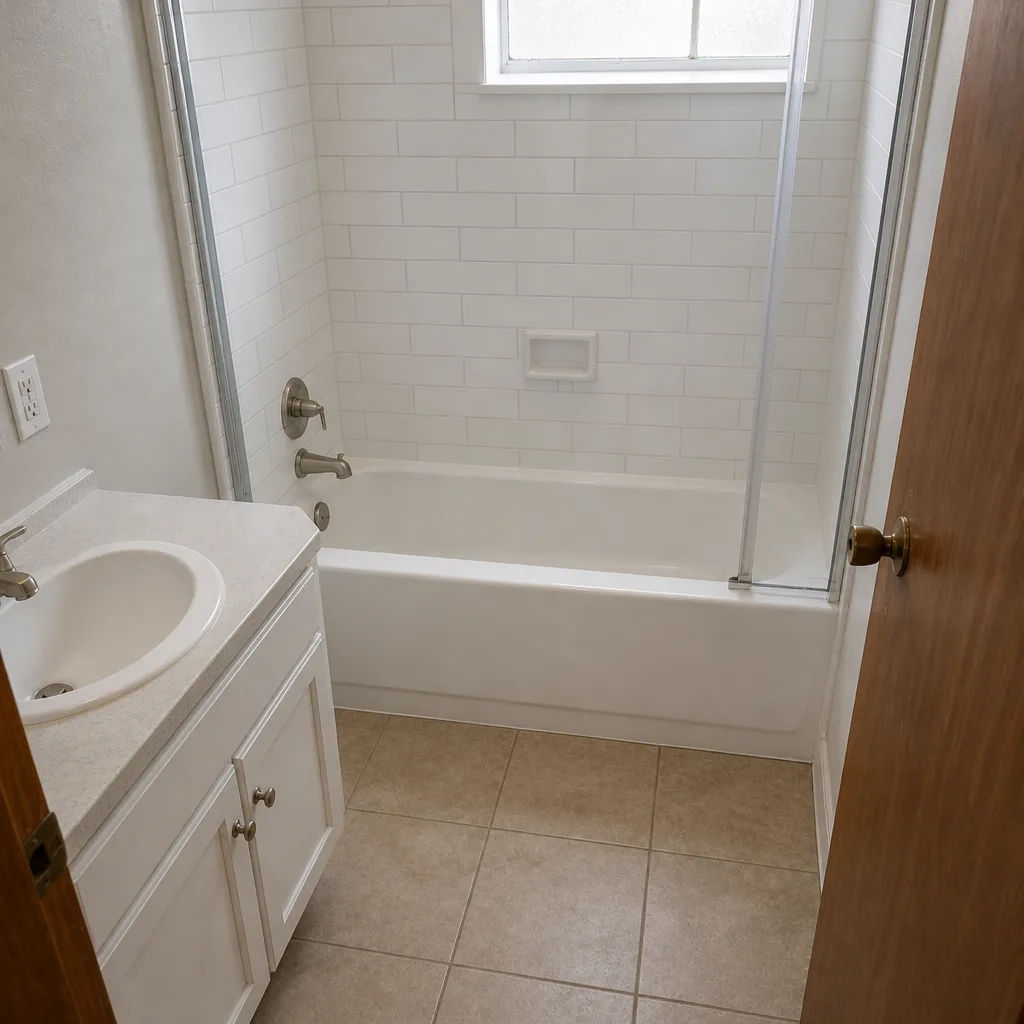 After
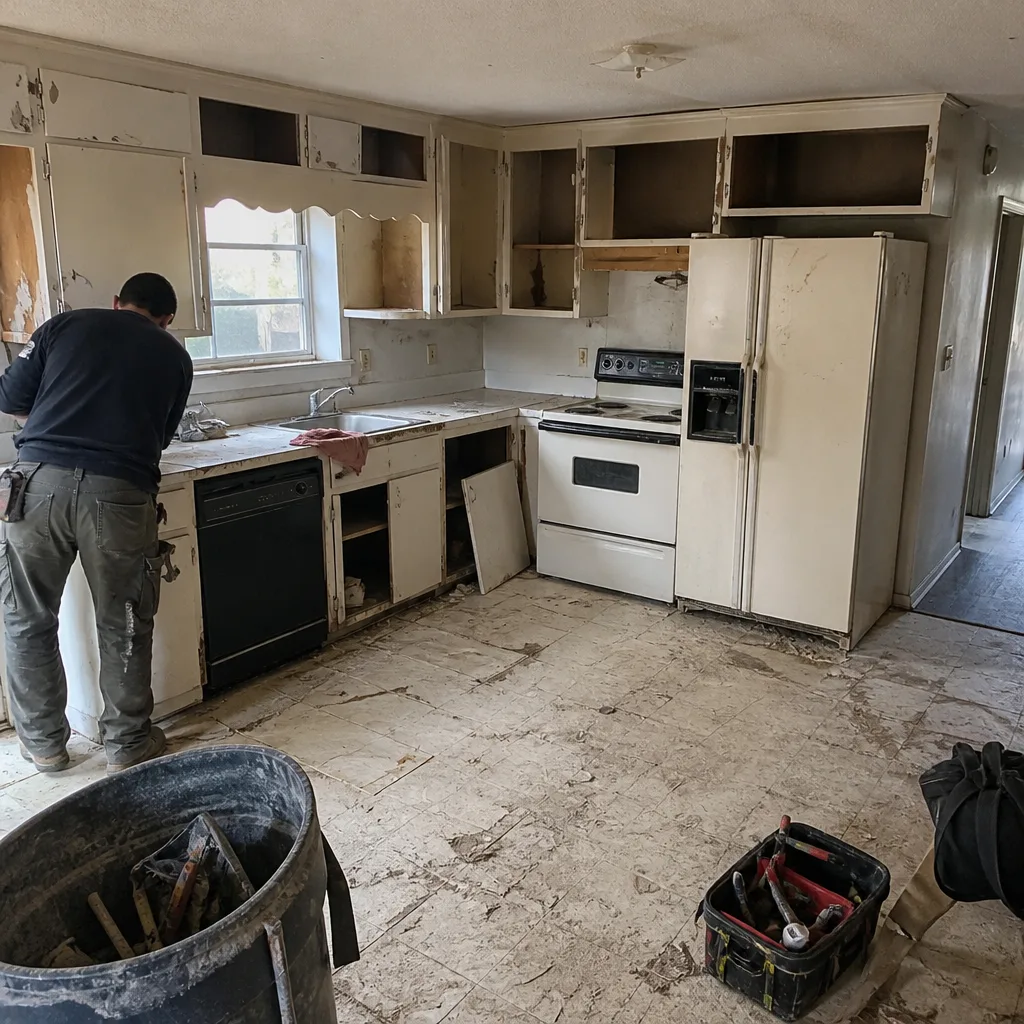 Before
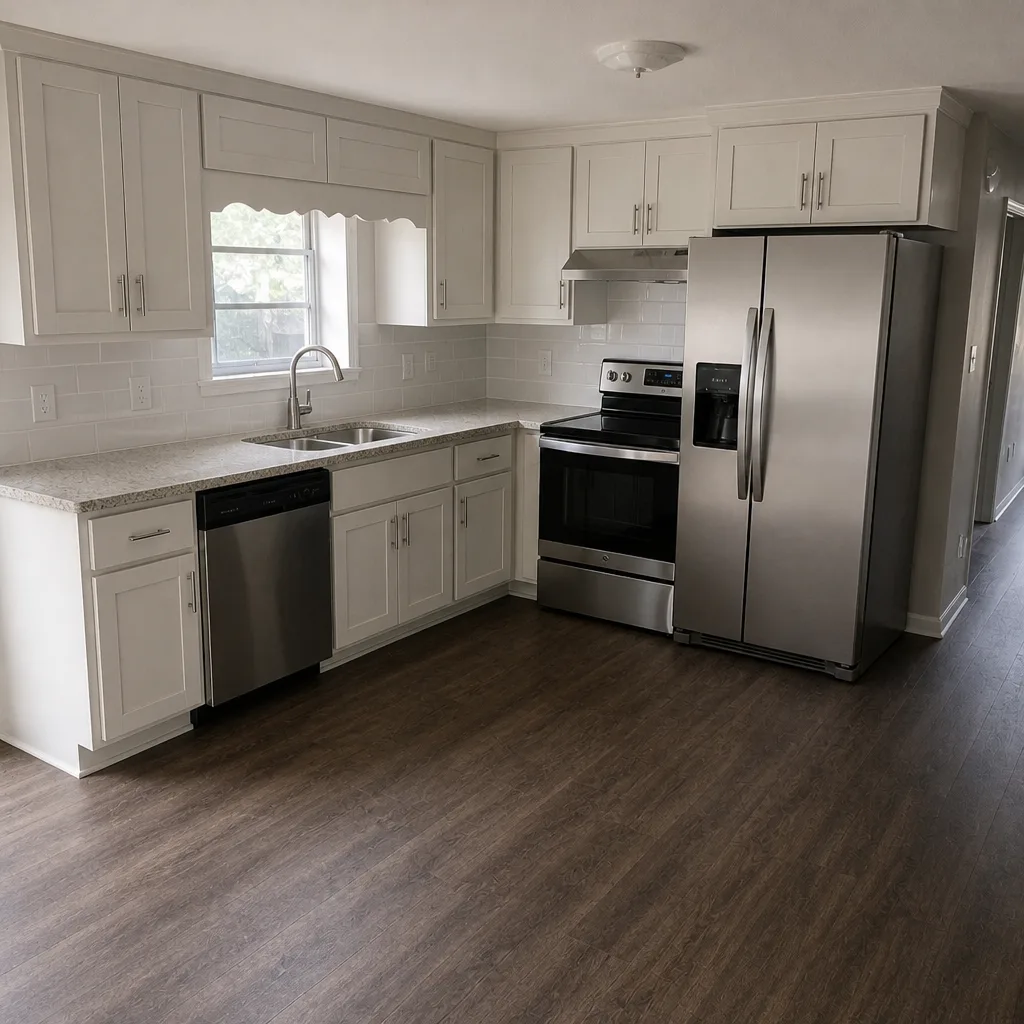 After
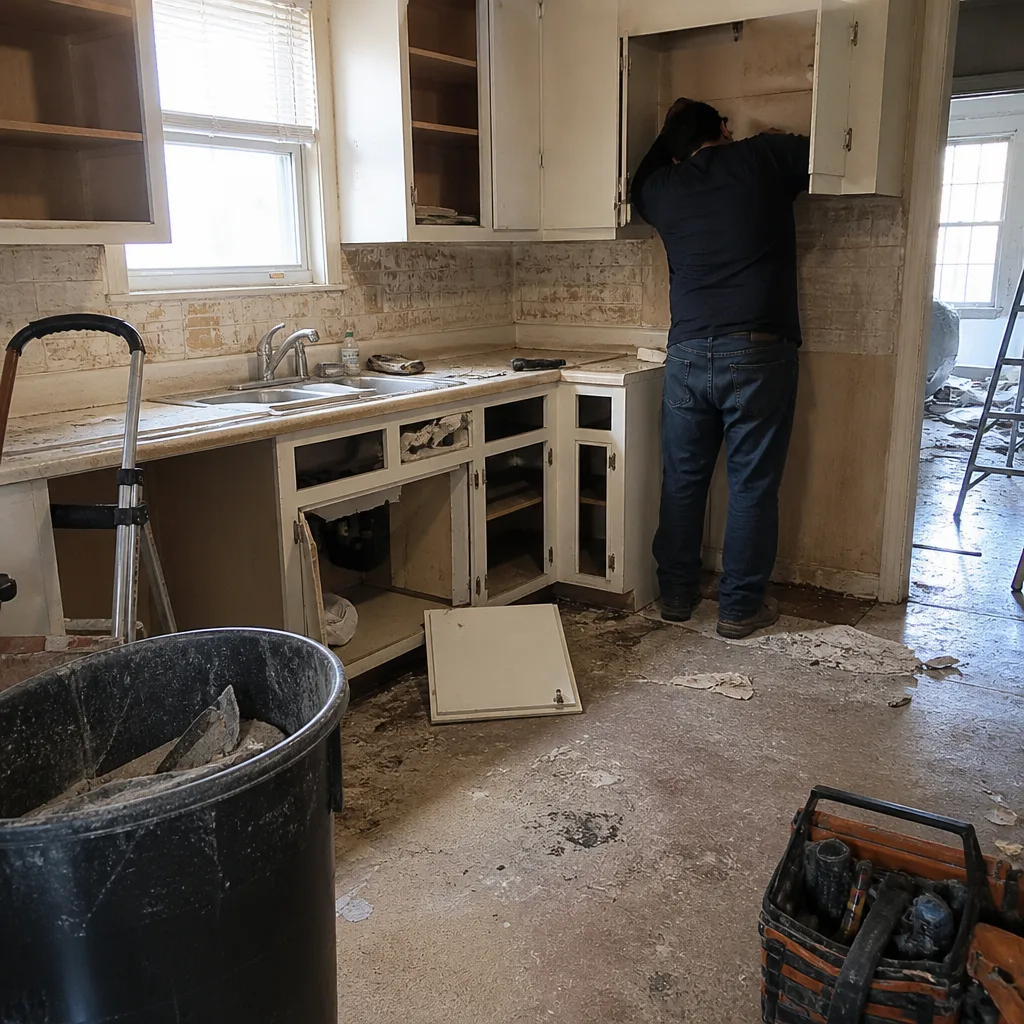 Before
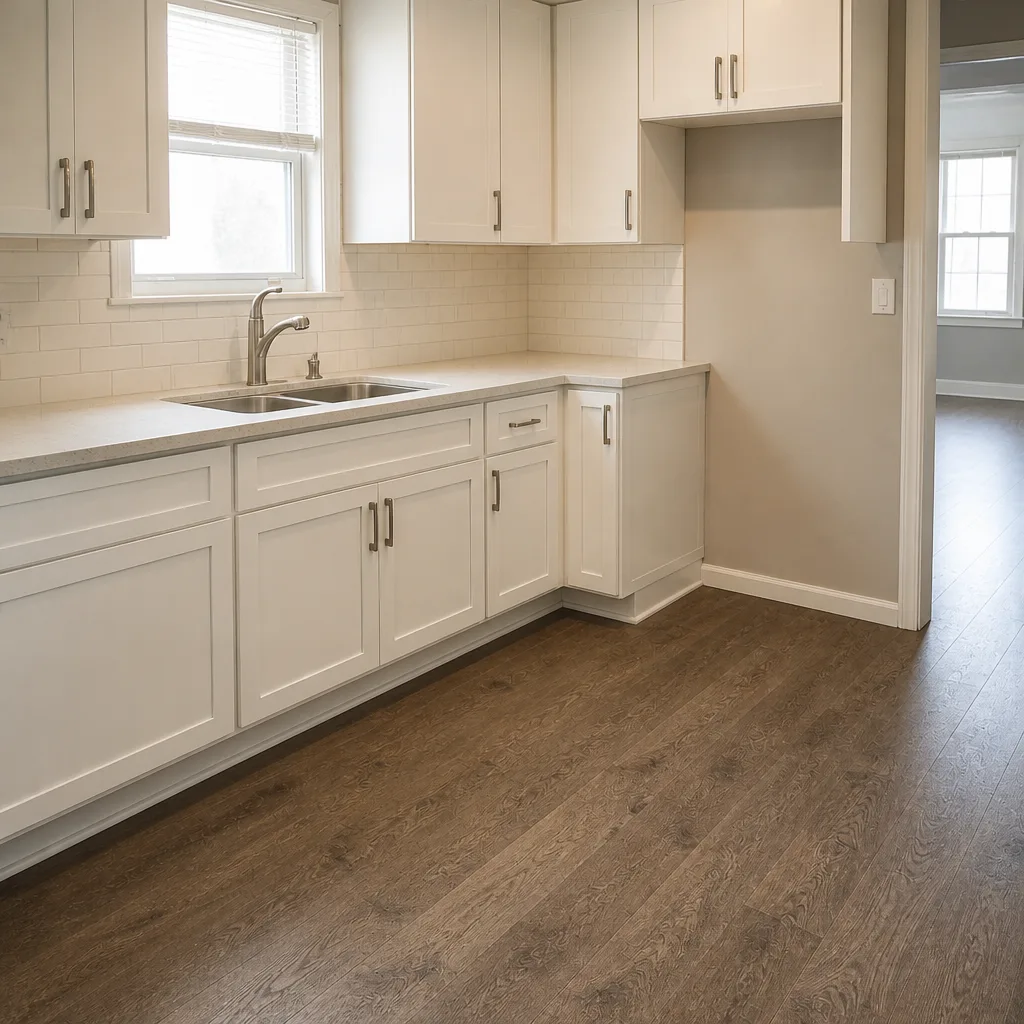 After
Acrylic vs Tile Shower in Fort Worth: Which One Survives Our Water?
Choose acrylic unless you’re set on a design statement and willing to seal grout regularly – that’s the short answer for most Fort Worth homeowners. Our municipal water runs hard, between 150 and 200 parts per million depending on your supply blend, and that single fact reshapes the acrylic-vs-tile argument you’ll read on most remodeling sites. Acrylic shrugs off mineral buildup. Tile grout doesn’t. If you want the honest decision framework, it comes down to your water, your foundation, and how much upkeep you’ll actually do. Call (855) 912-5373 and we’ll walk your bathroom with you – free estimate, no pressure.
Key Takeaways
- Fort Worth’s hard water etches tile grout and clouds acrylic within 18 months without the right maintenance plan.
- Acrylic is the more forgiving choice in homes showing foundation crack patterns from black clay movement.
- Tile wins on resale perception and custom design – when it’s installed over a real waterproofing membrane, not a red-board shortcut.
- Either direction, our Bathroom Remodeling work is covered by the 730-Day Done Right Promise.
Why Fort Worth Water Changes the Acrylic vs Tile Conversation
Most acrylic-vs-tile comparisons get written for a national audience that assumes neutral water. Fort Worth doesn’t have neutral water. The calcium and magnesium load here is high enough that a shower wall lives or dies by how it handles scale, and that plays out differently depending on your material.
On tile, hard water attacks the weakest point first: the grout. Cementitious grout is porous and slightly alkaline, and the minerals in Fort Worth water bond to it. Within a year and a half you’ll see white etching along the joints, especially on the lower walls where splash concentrates. Once grout starts etching, it also starts holding moisture – and moisture behind tile is where real problems begin.
On acrylic, the failure mode is cosmetic but real. Minerals leave a film that dulls the surface. Left alone, it hardens into a cloudy haze that no amount of soft scrubbing lifts. The difference is that acrylic film comes off with a vinegar-and-water wipe down once a week. Tile etching doesn’t come off – it’s damage to the material itself.
That’s the core of our stance. In a hard-water market, acrylic wins on maintenance for anyone who isn’t going to commit to a weekly sealing and scrubbing routine. Tile wins on longevity and resale when it’s installed correctly and maintained. Neither is “better” in the abstract. The right answer depends on which failure you’re willing to manage.
The Soil Variable Nobody Talks About
Fort Worth sits on expansive black clay, and that clay moves with the seasons. Even slab-on-grade homes here flex through wet springs and dry summers – the frost line is shallow, so foundations are engineered for soil movement, not freeze depth. That movement transmits up through the house, and tile grout is brittle. Over years, hairline cracks open along movement planes. You’ll spot them starting at the inside corners of a shower or where wall tile meets the pan.
Acrylic panels flex. They move with the house instead of fighting it, and the seal at the wall and pan stays watertight. On a home that already shows any crack patterns – and plenty in Fairmount and Ryan Place do, given the age of the housing stock – acrylic is the more forgiving choice by a wide margin.
The neighborhoods tell the story. A 1920s bungalow in Fairmount on pier-and-beam has a completely different movement profile than a new build out past Loop 820 toward Walsh Ranch. We size the recommendation to the house, not to a catalog. Fairmount and Ryan Place also carry historic design-review overlays, so a bathroom change there sometimes needs a district review before a permit clears – worth knowing before you pick a finish.
Waterproofing: Where Most Tile Showers Actually Fail
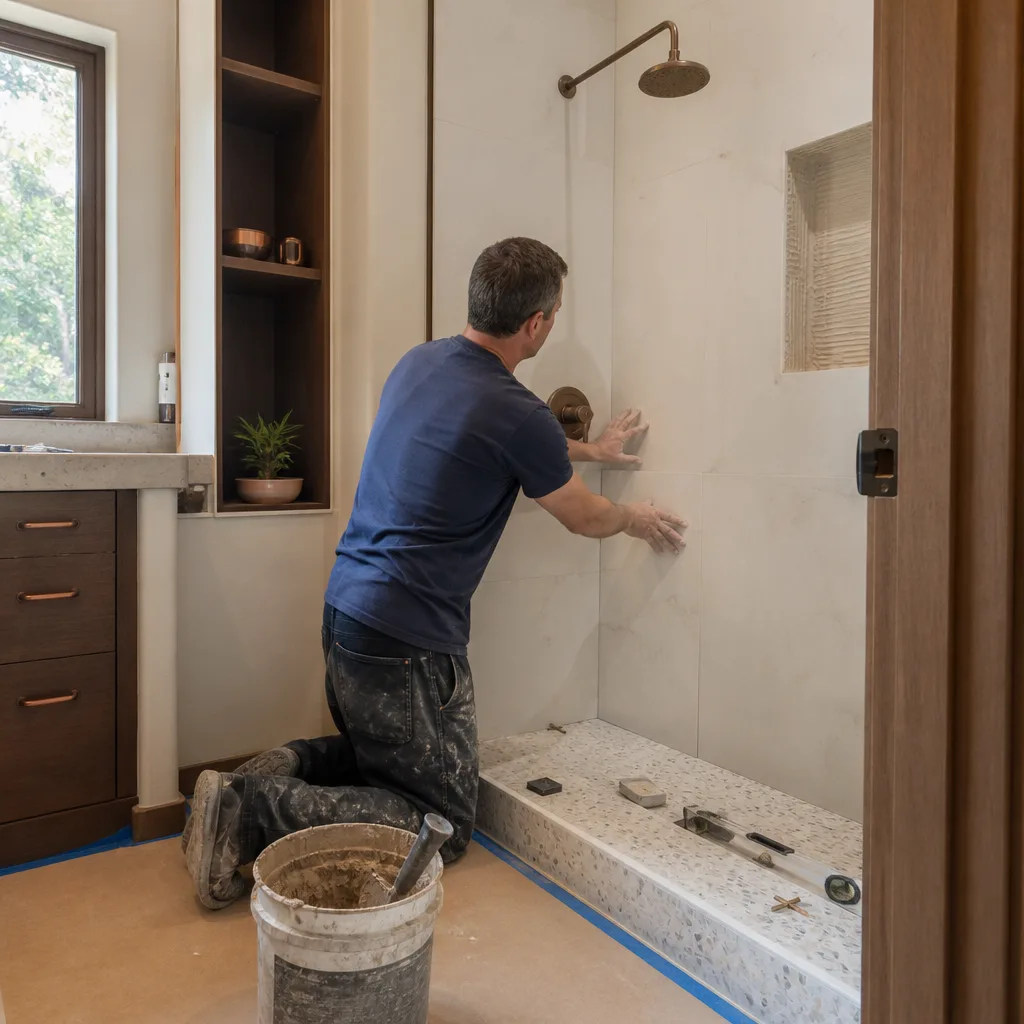
This is the difference contractors gloss over. An acrylic surround is the waterproof layer – it’s a single molded piece with a sealed pan. A tile shower is only waterproof if the substrate behind it is properly membraned. The tile and grout are the visible surface, not the barrier.
A correct installation looks like this: a bonded sheet membrane or a liquid-applied membrane rolled over cement backer board, with a pre-formed shower pan membrane tied into the walls, seams taped and sealed, and flood-tested before any tile goes down. That’s the Schluter-style standard. The shortcut – cement board painted with red waterproofing and called done – is common because it’s faster and cheaper. It works for a while. It also fails quietly, and you usually find out when the ceiling below starts staining.
When we build a tile shower, we install the full membrane system and we’re specific about it in the estimate. If a bid you’re comparing doesn’t name the membrane, ask. The waterproofing layer is the whole ballgame.
Where Tile Still Wins
Tile isn’t the compromised choice – it’s just demanding. It wins on design where acrylic can’t compete:
- Custom bench integration. A tiled bench built into the shower can match the walls exactly and can’t be molded as cleanly in acrylic.
- Niche sizing. Tile lets you size a recessed niche to whatever you actually store – shampoo bottles, a bench seat shelf, whatever. Acrylic niches are fixed.
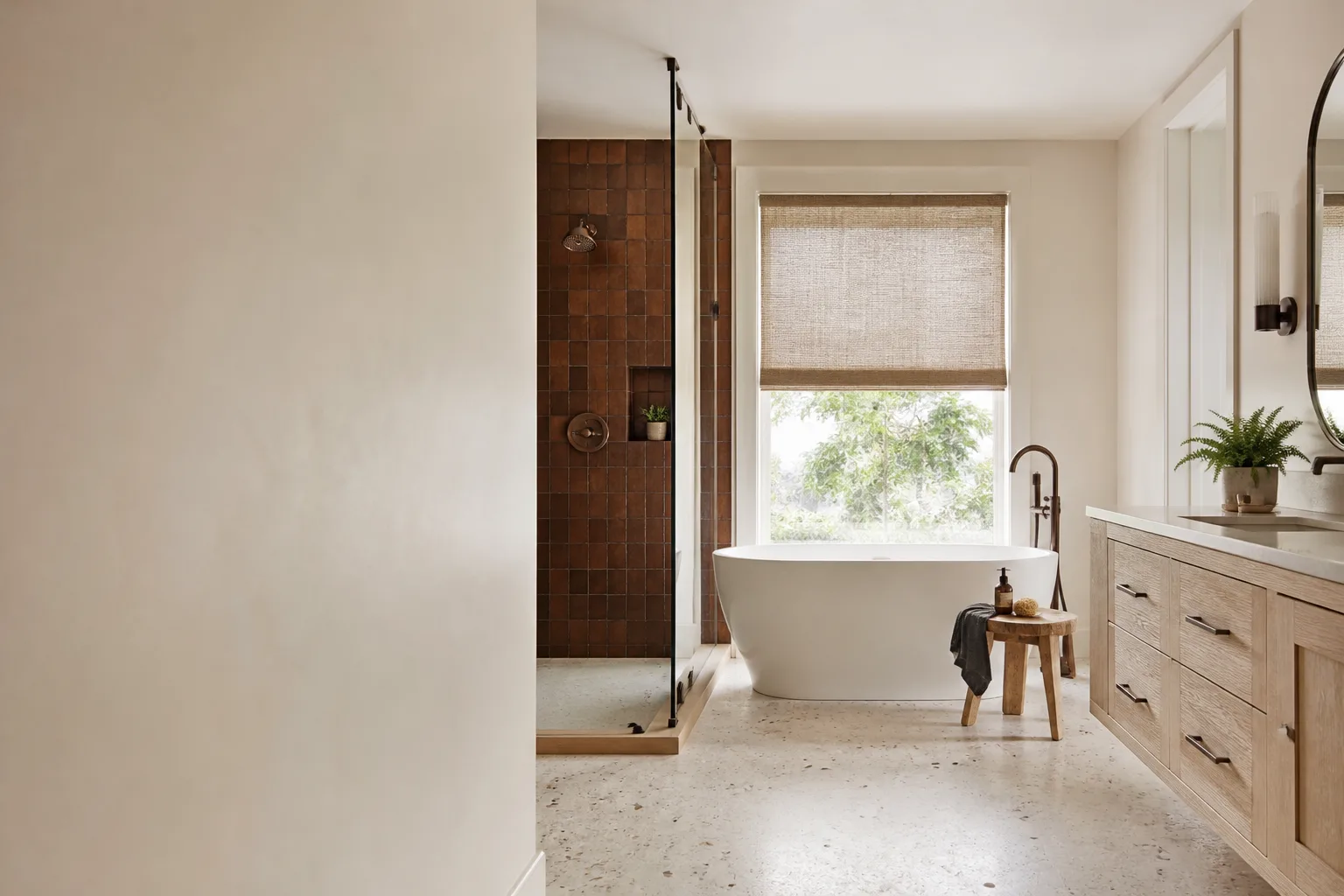
- Floor-to-ceiling statements. A full tile wall from floor to ceiling reads as a premium renovation. Acrylic looks like what it is, and in a historic Ryan Place or Fairmount home, resale buyers notice the difference.
- High-end resale positioning. In older homes where buyers expect period character, tile signals a real renovation rather than an insert.
If your home falls into that last category, tile is worth the upkeep – provided it’s installed right. Groundwork Construction Co. of Fort Worth builds tile systems with industry-standard waterproofing membranes and acrylic systems from quality-vetted suppliers, not big-box clearance units. Both directions are covered by the 730-Day Done Right Promise – if it’s not done right, we make it right.
Acrylic vs Tile Shower: Side-by-Side in Fort Worth
| Factor | Acrylic | Tile |
|---|---|---|
| Hard-water tolerance | Films, but wipes clean weekly | Grout etches permanently without sealing |
| Foundation movement | Flexes and holds seal | Grout cracks along movement planes |
| Waterproofing | Surround is the membrane | Requires proper substrate membrane |
| Upkeep | Weekly wipe-down | Re-seal grout regularly |
| Design flexibility | Limited to molded forms | Custom bench, niches, full-height walls |
| Resale perception | Adequate | Premium in historic homes |
Typical installed cost for a full walk-in shower in Fort Worth runs $4,500 to $12,000, and a shower replacement lands between $3,000 and $8,500. Tile occupies the upper half of those ranges once you account for proper membrane work and premium finishes. A full bathroom remodel here runs $9,000 to $28,000; a small one, $5,000 to $12,000. The numbers stay consistent with what we quote across every bathroom project in Fort Worth.
Our Recommendation for Fort Worth Homes
If your home shows existing crack patterns, sits on black clay, and you don’t want to babysit grout, pick acrylic. You’ll get a watertight surround that tolerates the soil movement and wipes clean in under a minute a week. If you’re renovating a historic property and resale perception matters, or you want the custom bench and full-height tile, pick tile – then insist on a proper membrane system and plan the re-sealing routine.
A few common scenarios we see:
- A 1950s ranch in east Fort Worth with visible corner cracks: acrylic. The tile grout would crack within a season.
- A Ryan Place bungalow heading to market: tile with a bonded membrane, custom bench, and a full-height wall, because buyers there read tile as quality.
- A newer build near Alliance with hard water and no time for upkeep: acrylic, quality-vetted.
The home stays the same; the material should follow the house. And it all connects back to Bathroom Remodeling in Fort Worth, where we tie the shower decision into the full renovation scope. Financing runs 0% for 18 months, and projects over $10,000 get $1,000 off. Calls are answered by a live person, 24/7, and technicians are background-checked and uniformed on every job.
FAQs
Acrylic shower installations usually land in the $4,500 to $8,000 range in Fort Worth, while tile showers typically run $6,000 to $12,000 once proper membrane work and premium finishes are included. Both fall within our shower replacement range of $3,000 to $8,500 and walk-in installation range of $4,500 to $12,000. Call (855) 912-5373 for an exact quote – estimates are free.
Acrylic holds up better cosmetically because mineral film wipes off, while tile grout etches permanently without regular sealing. Fort Worth water runs 150 to 200 ppm depending on your supply blend, which is high enough to attack unsealed grout within 18 months. Call (855) 912-5373 and we’ll inspect your current shower and recommend a material that fits your routine.
Yes, in many homes. The black clay soils here expand and contract with the seasons, and brittle grout cracks along movement planes over time – especially at inside corners. Acrylic panels flex and keep their seal. If your home already shows corner cracks, call (855) 912-5373 for a no-pressure assessment before you commit to tile.
Repair is cheaper short-term, but if the waterproofing behind the tile has failed, replacement is the honest answer – patching a leaking membrane usually costs more over five years than starting fresh. A shower replacement runs $3,000 to $8,500, and a tub-to-shower conversion $3,500 to $10,000. Call (855) 912-5373 for a free estimate and we’ll tell you which side of that line your shower is on.
If you’d rather have it looked at, Groundwork Construction Co. of Fort Worth offers a no-pressure assessment in Fort Worth – call (855) 912-5373. We’ll look at your water, your foundation, and your plans, then give you a clear recommendation backed by the 730-Day Done Right Promise.
Written by the team at Groundwork Construction Co. of Fort Worth, serving Fort Worth, TX.