Free written scope consultation - allowances, timeline, and change-order rules on paper before a single trade is scheduled
Styles & brands we work with
- Kitchen remodeling
- Bathroom remodeling
- Home additions & ADU
- Roofing
- Windows & doors
- Driveway & pavers
- Fence
See the difference
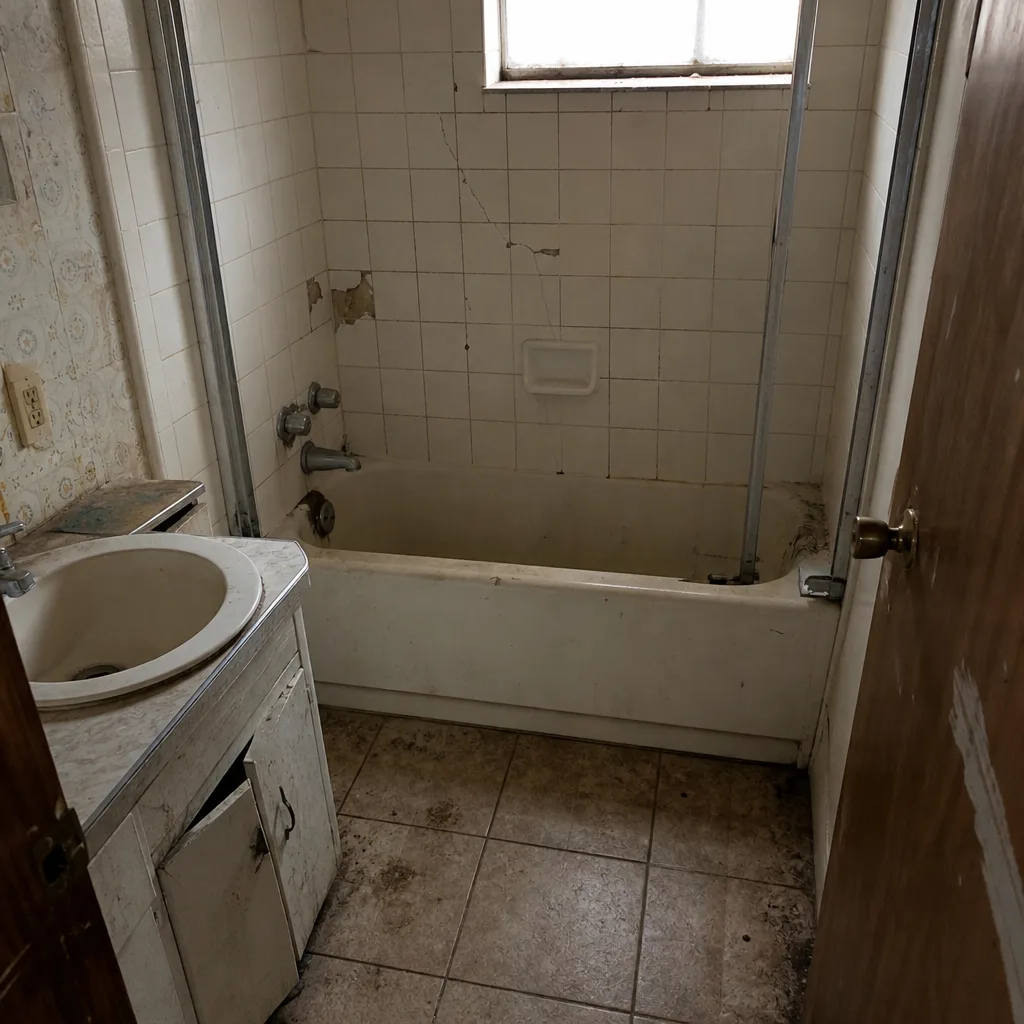 Before
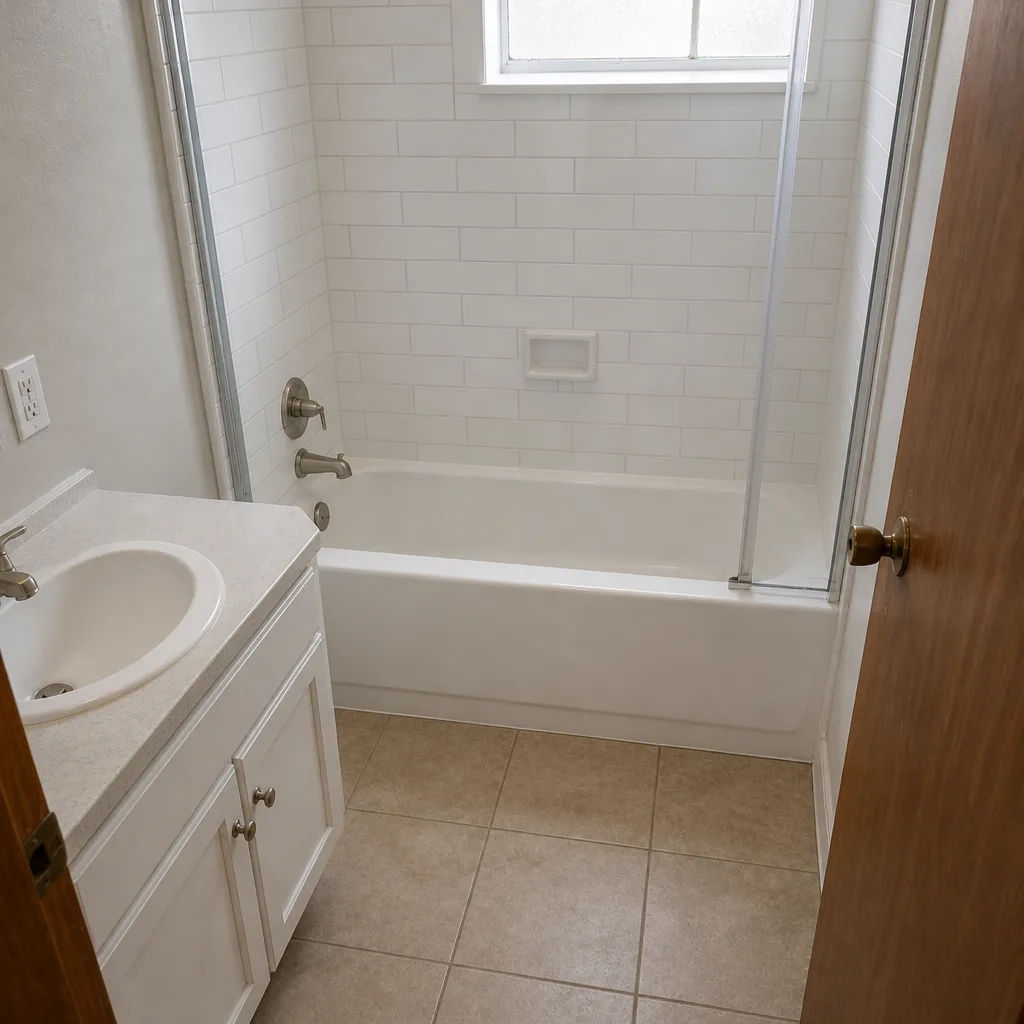 After
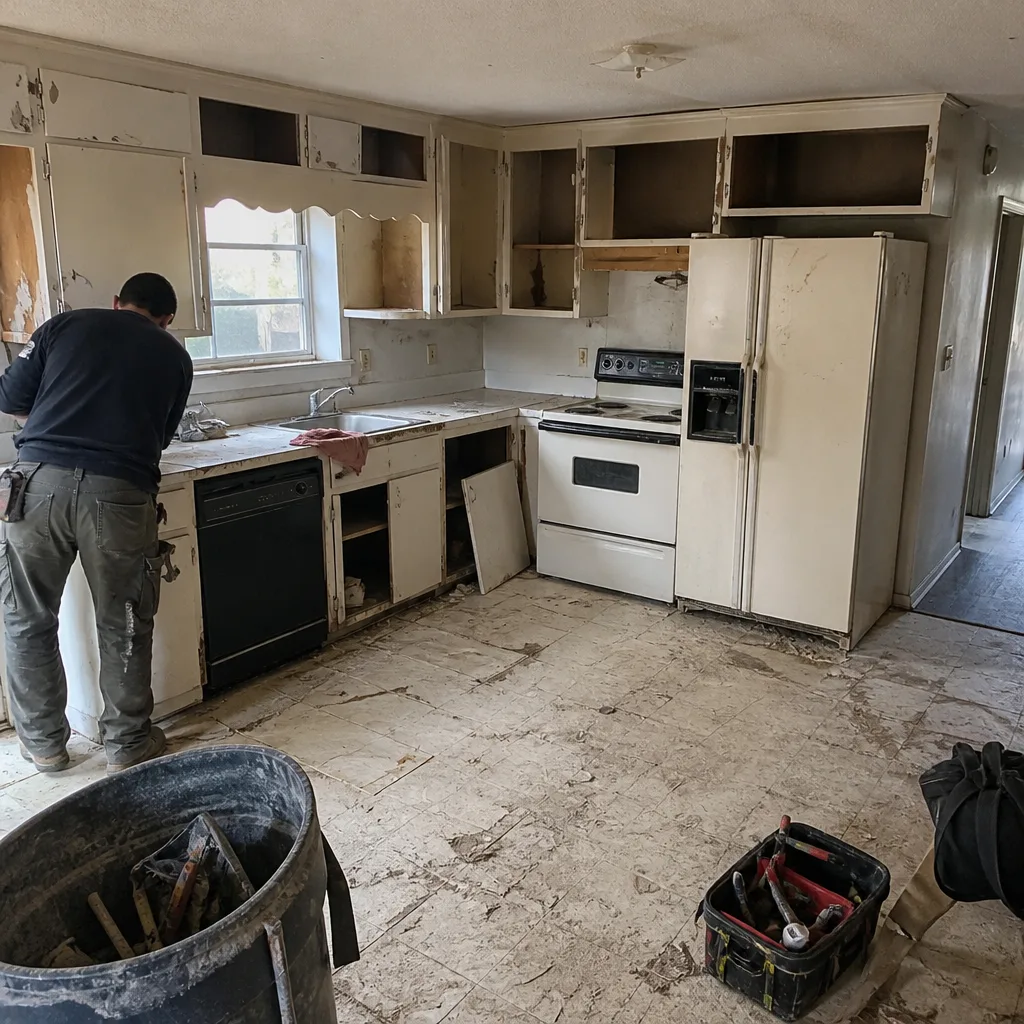 Before
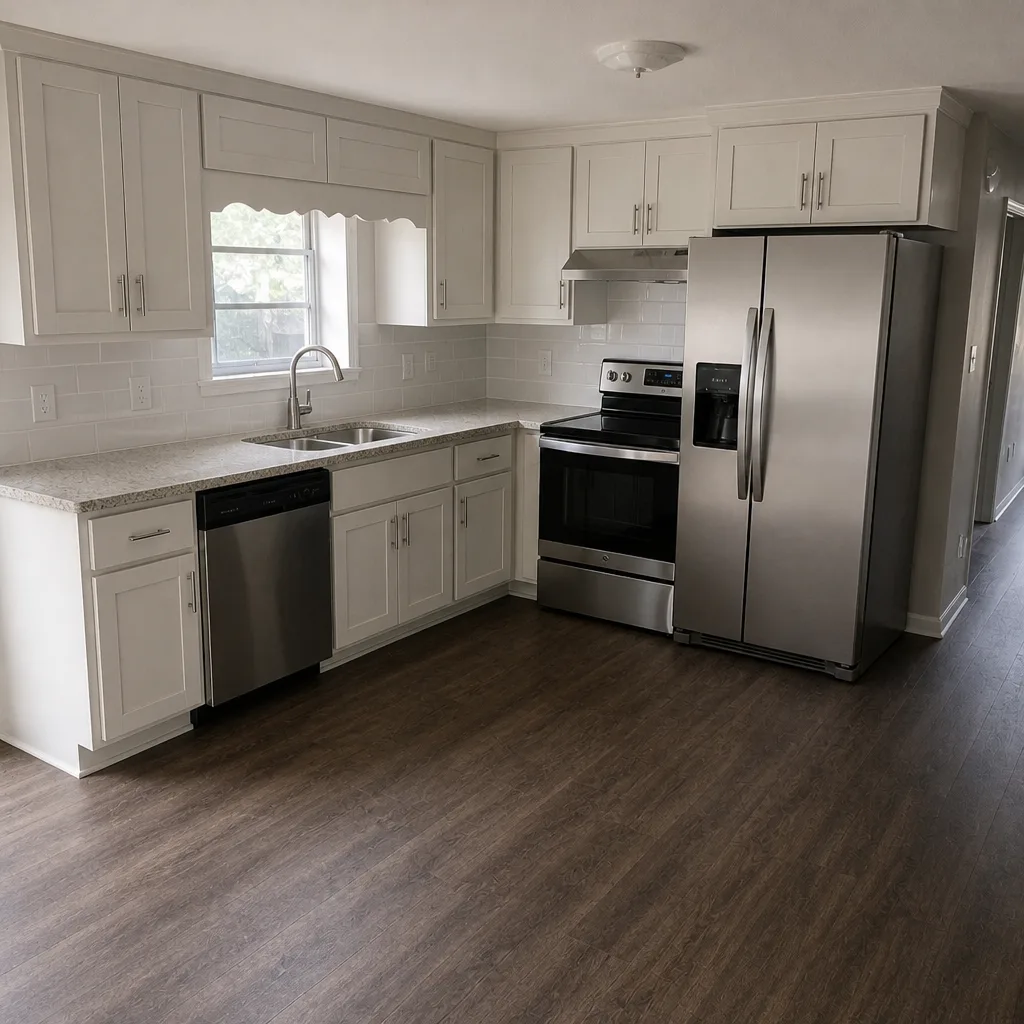 After
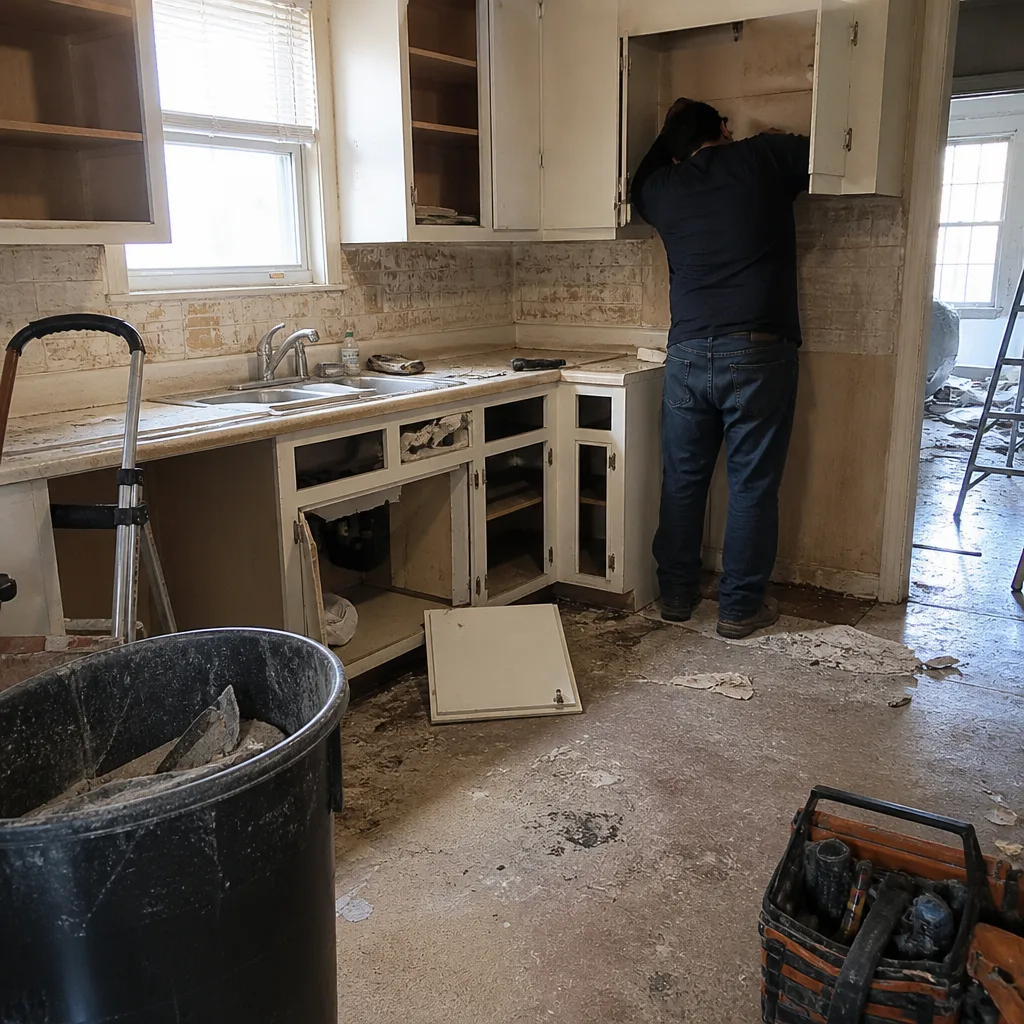 Before
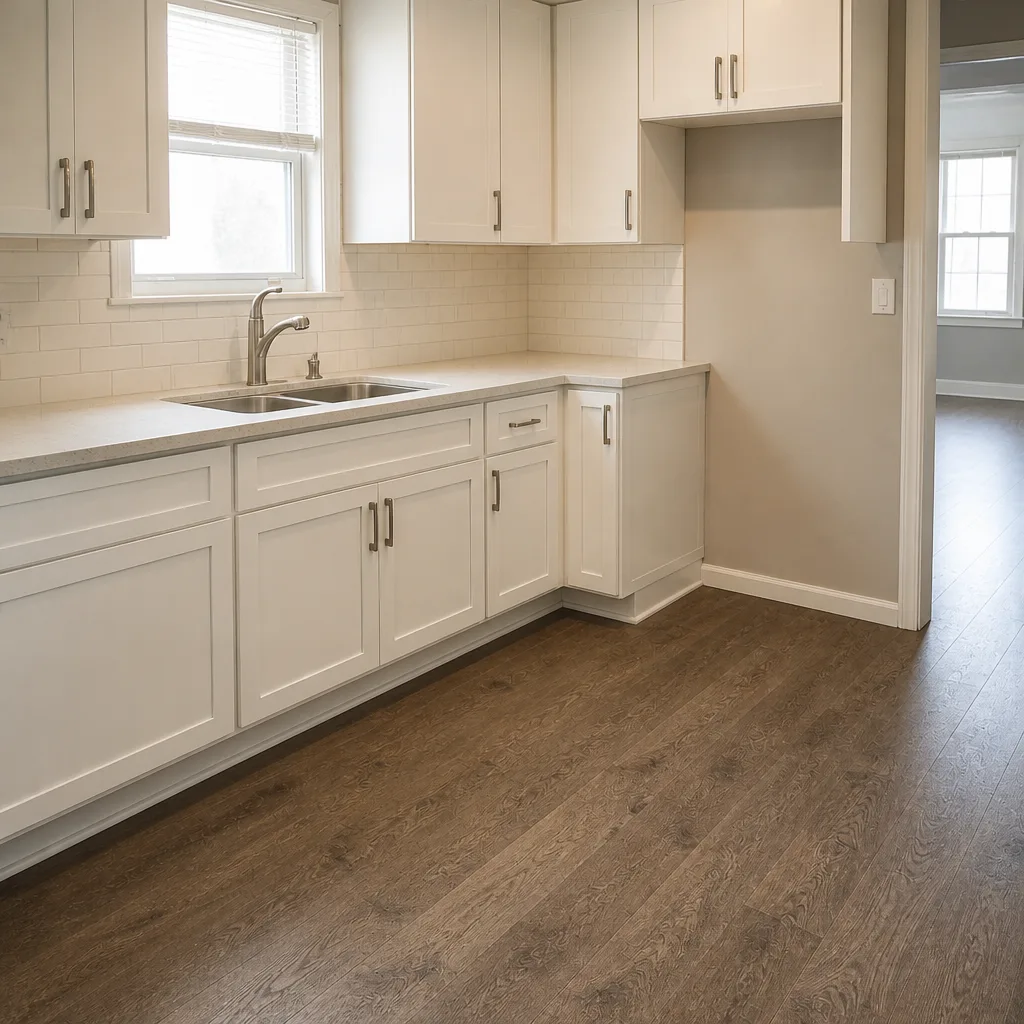 After
Attached vs Detached ADU in Fort Worth: Choose Detached Unless Your Slab Is Verified Sound
For most Fort Worth homeowners, a detached ADU is the safer choice unless a structural engineer has confirmed your existing foundation is stable and your lot can’t fit a backyard unit. The reason isn’t privacy or resale, it’s the ground under your house. Fort Worth’s expansive black clay moves with every wet-dry cycle, and attaching a new structure to a slab that’s already crept or cracked couples new construction to a problem you can’t see. If you want a straight read on your specific property, call Groundwork Construction Co. of Fort Worth at (855) 912-5373 for a free assessment.
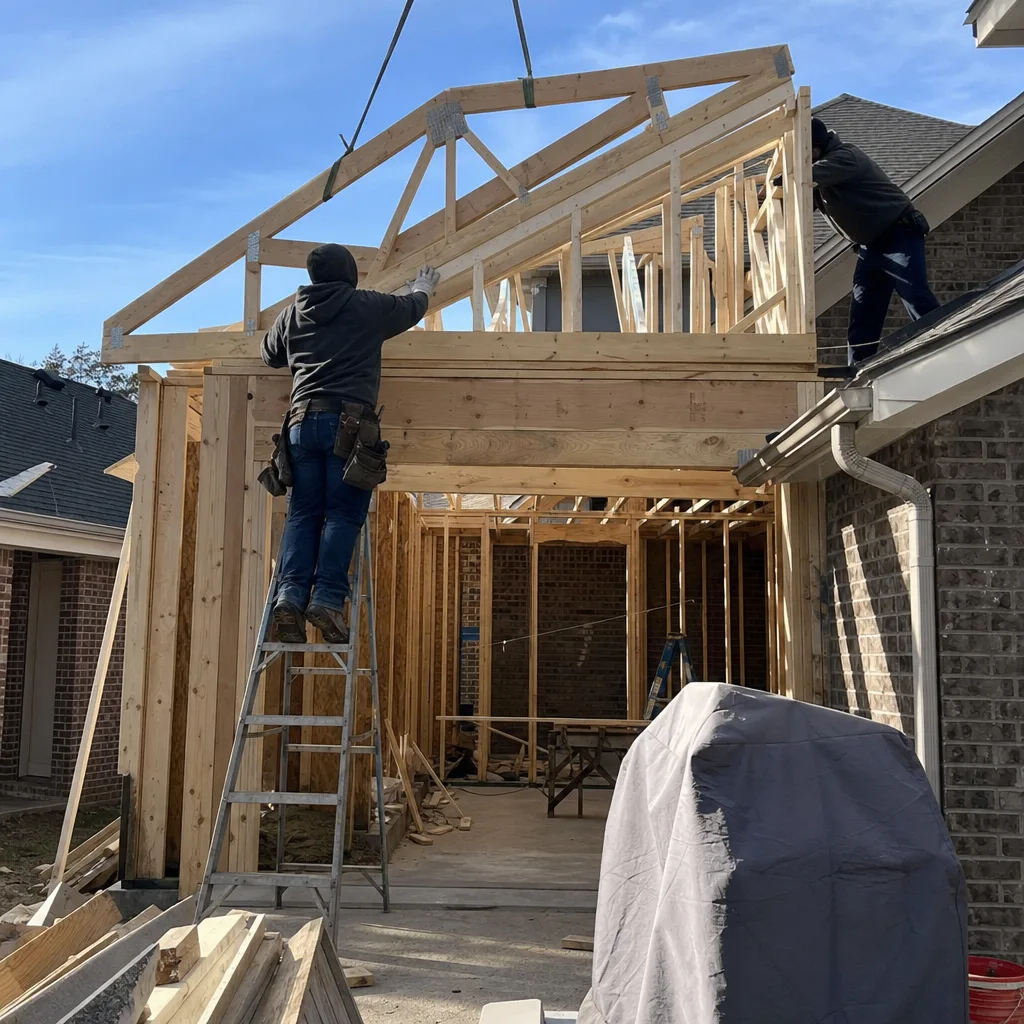
We’re a full-scope construction partner that works Home Additions & ADU in Fort Worth and across the surrounding neighborhoods, and we’ve watched this exact decision go wrong when it was made on cost alone. Here’s how we walk homeowners through it.
Why Fort Worth’s Soil Makes This Decision Different
Fort Worth is a two-speed construction city. Century-old bungalows in Fairmount and Ryan Place sit on pier-and-beam foundations with true-dimension lumber, while brand-new tract housing out past Loop 820 toward Alliance and Walsh Ranch goes up on slab-on-grade. Both of those housing types change how an attached ADU behaves, and neither one behaves the way a generic comparison guide assumes.
The defining force is the clay. North Texas expansive soils swell when wet and shrink when dry, and that movement is what drives most of the foundation calls in this region. The frost line here is shallow, so foundations get engineered for soil movement rather than freeze depth. That’s a different engineering problem than most national ADU guides describe.
Here’s the part that matters for this decision. On the older east-side ranch blocks and the mid-century brick homes near the Stockyards, we regularly see slabs that have already taken on differential settlement from decades of clay movement. Sometimes it’s a hairline crack that means nothing. Sometimes it’s a corner that’s dropped two inches and the homeowner never noticed because the door still closes. Attaching a new ADU to that slab transfers the settlement into your new structure, and you find out about it in the first wet-dry cycle after the drywall goes up. A structural assessment before design isn’t a nice-to-have in Fort Worth. It’s the whole decision.
Attached vs Detached ADU: The Honest Side-by-Side
Most of the debate online centers on privacy and cost per square foot. Those matter. They’re just not the factors that decide it here.
| Factor | Attached ADU | Detached ADU |
|---|---|---|
| Foundation | Ties into existing slab, which must be verified stable first | New independent foundation engineered for clay soils |
| Utility connections | Can often share existing service panels depending on load | Treated as a separate structure with independent service runs |
| Historic overlay review | Roofline and massing are visible from the street, so design review scrutinizes them | Backyard placement usually faces less visibility-based review |
| Upfront cost | Lower, because you’re reusing foundation and utility stubs | Higher upfront, because the foundation and service runs are new |
| Settlement risk | Real if the existing slab is already compromised | Contained to the new, engineered foundation |
The cost gap is real and we won’t pretend otherwise. Attached construction reuses what’s already there. But if a structural engineer flags your existing foundation, the savings evaporate fast, because you’re now paying to repair the old slab and build the new one.
When attached makes sense
- Your existing foundation has been verified stable with no active settlement
- Your lot is too small or too constrained for a standalone backyard structure
- You’re in an area where the existing electrical panel has the load capacity to share service
- You want the ADU as interior living space, not a rentable separate unit
When detached wins
- Your home sits on an older slab with any sign of movement
- You’re in Fairmount, Ryan Place, or the Stockyards district and want to avoid roofline and massing review
- You need the ADU to function independently for a renter or family member
- You want a clean warranty line with no shared structure to argue over later
What the Utility and Permit Rules Actually Change
Detached ADUs are treated as separate structures, which means independent utility service runs. That’s a real line item, not a footnote, and it’s part of why a standalone build costs more upfront. Attached ADUs can typically share your existing service panel depending on load, so the electrical work is often lighter.
Permitting splits the same way. Fort Worth’s historic districts carry design-review overlays, and an attached addition puts its roofline and massing right in the street view where the district board looks hardest. A detached backyard structure in the same district usually draws less visibility-based scrutiny. If your property touches Fairmount, Ryan Place, or the Stockyards area, budget review time before you budget materials. We’ve seen a straightforward accessory structure stall for weeks on district review, and that timeline is easier to plan around than to absorb.
What Does an ADU Cost in Fort Worth?
ADU construction in Fort Worth runs $90,000 to $220,000 depending on whether it’s attached or detached, its size, and how much utility and foundation work is new. The attached-versus-detached choice is one of the largest swing factors inside that range.
Related scopes that often get folded into the same project:
- Garage conversion: $30,000 to $80,000
- Home addition: $45,000 to $130,000
- Impact window installation, if the ADU needs new glazing: $8,000 to $25,000
Our technicians have up to 12 years of experience, and every project is covered by our 730-Day Done Right Promise: if it’s not done right, we make it right. That warranty clock starts at project completion, which matters here more than on a typical remodel. If your ADU carries an attachment point to an older Fort Worth slab, two full years of wet-dry cycles is exactly the window where settlement problems surface. That’s not accidental. Built to last, backed in writing is the standard we hold every build to.
Pricing is upfront, with no surprises. The number you see is the number you pay. Projects over $10,000 qualify for $1,000 off, and 0% financing for 18 months is available to make the larger scope workable.
What Should You Look for Before Choosing Attached or Detached?
Start with a structural assessment of the existing foundation, not a sketch of the floor plan. That’s the first thing we do on any Home Additions & ADU project in an older Fort Worth neighborhood, and it’s the step homeowners most often skip when they’re comparing quoted prices.
- Engineer the existing slab first. Any active settlement or significant cracking pushes the recommendation toward detached.
- Pull your lot’s zoning and historic-overlay status. Overlay properties need review time built into the schedule, not squeezed in after permits are filed.
- Have an electrician evaluate panel capacity. This is what decides whether attached utility-sharing is real savings or wishful thinking.
- Price both scopes side by side. A quote that only prices one option hides the largest variable in the project.
- Confirm the warranty covers the foundation scope. Look for coverage on settlement, not just finish work.
When the build moves forward, we work from a curated portfolio of top-tier brands across trades, including ES Windows and ECO Window Systems for glazing, so material quality is a choice rather than whatever happens to be in stock.
Frequently Asked Questions
ADU construction in Fort Worth runs $90,000 to $220,000 overall, and attached units typically land toward the lower end because they reuse the existing foundation and utility stubs. Detached units cost more upfront for a new engineered foundation and independent service runs, but they avoid coupling the new structure to a slab that may already be compromised. Call (855) 912-5373 for an exact quote – estimates are free.
Yes, if a structural engineer verifies the existing slab is stable with no active settlement. On older east-side ranch blocks and mid-century brick homes, we regularly find differential settlement from decades of clay movement, and an attached build on a compromised slab can transfer that movement into the new addition. Get the assessment before design, not after. Call (855) 912-5373 to schedule one.
Detached ADUs are treated as separate structures, so they typically require independent utility service runs, which is a real cost to plan for. Attached ADUs can often share the existing service panel depending on load, which usually trims the electrical and plumbing scope. It’s worth pricing both options before you decide.
Detached backyard structures usually face less visibility-based design review than attached additions, because attached rooflines and massing are reviewed from the street. In Fairmount, Ryan Place, and the Stockyards district, that review time is real and needs to be built into your schedule. We walk homeowners through overlay requirements before the design is finalized.
If you’d rather have it looked at, Groundwork Construction Co. of Fort Worth offers a no-pressure assessment in Fort Worth – call (855) 912-5373. We’ll tell you honestly whether attached is viable for your slab or whether detached is the right call, and we’ll price both so the decision rests on facts.
Written by the team at Groundwork Construction Co. of Fort Worth, serving Fort Worth, TX.