
Free written scope consultation - allowances, timeline, and change-order rules on paper before a single trade is scheduled
Styles & brands we work with
- Kitchen remodeling
- Bathroom remodeling
- Home additions & ADU
- Roofing
- Windows & doors
- Driveway & pavers
- Fence
See the difference
 Before
 After
 Before
 After
 Before
 After
Home Addition vs ADU in Fort Worth, TX: Which One Belongs on Your Lot?
Choose a home addition unless you want a separate, rentable dwelling unit and your lot, zone, and financing can carry a second structure – for most Fort Worth homeowners, an addition is the simpler path. An addition builds onto your existing house. An ADU (accessory dwelling unit) is a self-contained home sharing your lot, with its own foundation, kitchen, and utility connections. Only one of those two paths matches your zoning, HOA, and lender. We can walk through which one fits in a single call: (855) 912-5373.
Why the Fort Worth Answer Depends on Where You Live
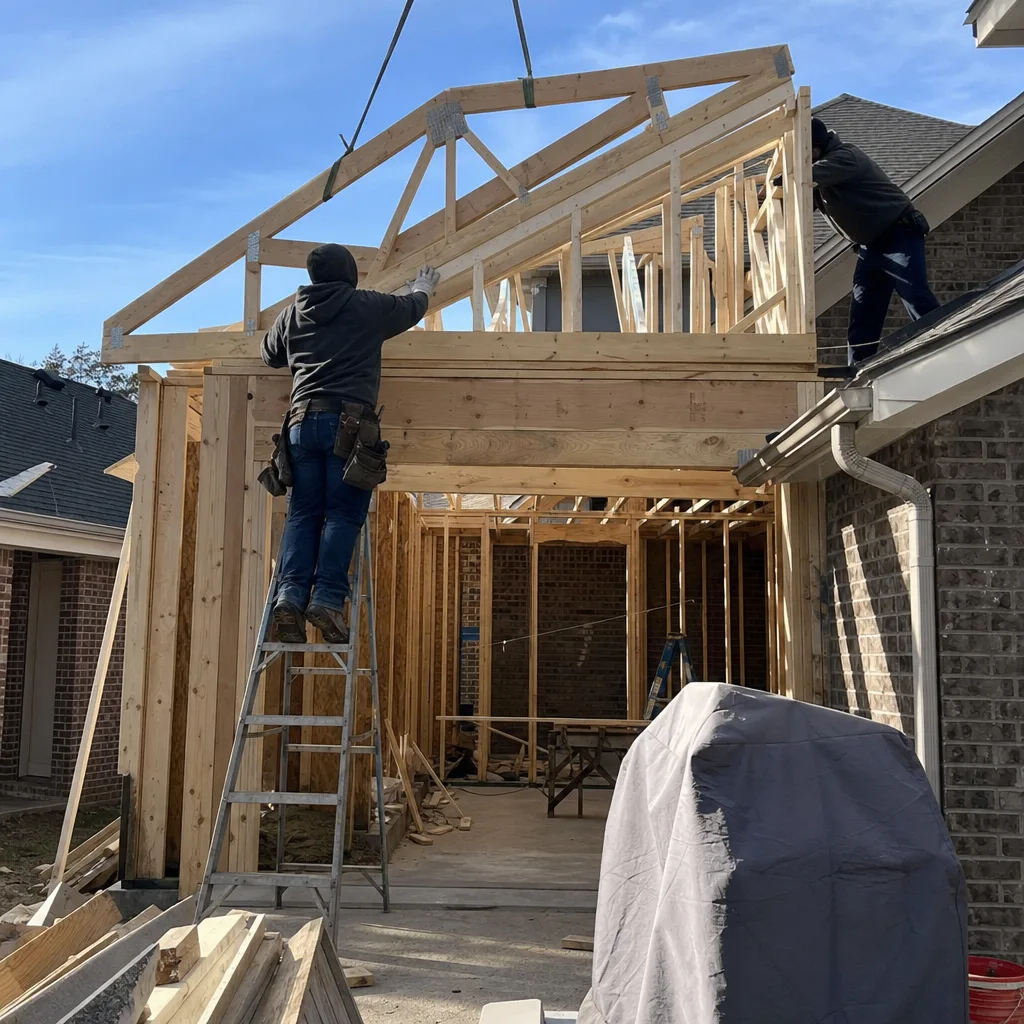
Start with the soil and the housing stock, and the comparison stops being abstract. Fairmount and Ryan Place sit in early-1900s bungalow blocks with pier-and-beam foundations and true-dimension lumber, while the northwest corridor past Loop 820 toward Walsh Ranch is slab-on-grade on sprawling lots. Topsoil here is expansive black clay, and it moves with the seasons. That one fact reshapes the whole build plan. If you add on, the new foundation meets the old one, and a crew has to tie them together without dragging fractures through both. If you build an ADU, you’re engineering a second foundation and paying to maintain it on its own cycle.
Historic overlays change the rules again. In Fairmount, Ryan Place, and the Stockyards area, design review applies to your project whichever route you pick.
What Home Additions Get You – and What They Cost
A home addition in Fort Worth runs $45,000-$130,000 for the market range most homeowners land in. That covers framing, finishes, tying into your existing roofline, and extending mechanicals into new square footage. Because you’re extending the house you already insure, and because the new square footage is part of your primary residence, this is usually the easier project to finance. Most homeowners wrap it into a refinance or tap a home equity line.
The upside people underestimate: your existing foundation, plumbing, and electrical are already in place. A good addition reuses them. The risk is the flip side. If the original foundation is already shifting, adding load to it can accelerate that movement, so we always evaluate the current slab or pier-and-beam before we quote the addition square footage.
What does a home addition cost in Fort Worth?
A home addition typically costs $45,000-$130,000 in Forth Worth. The number moves with square footage, whether you’re adding a primary suite versus a flex room, and how much trenching and re-roofing you need to marry the new section to the old one. Our upfront pricing means the number you see is the number you pay – no surprise line items after demolition.
What ADU Construction Actually Requires
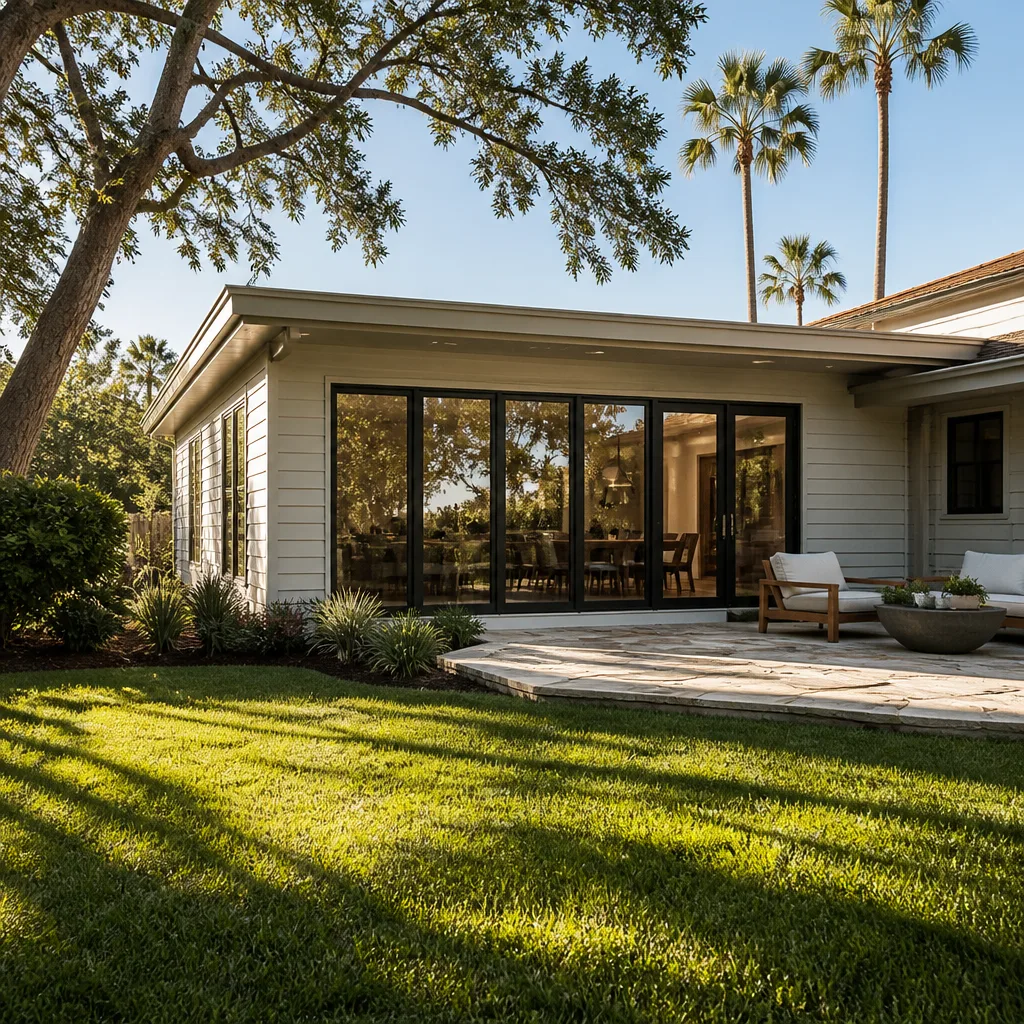
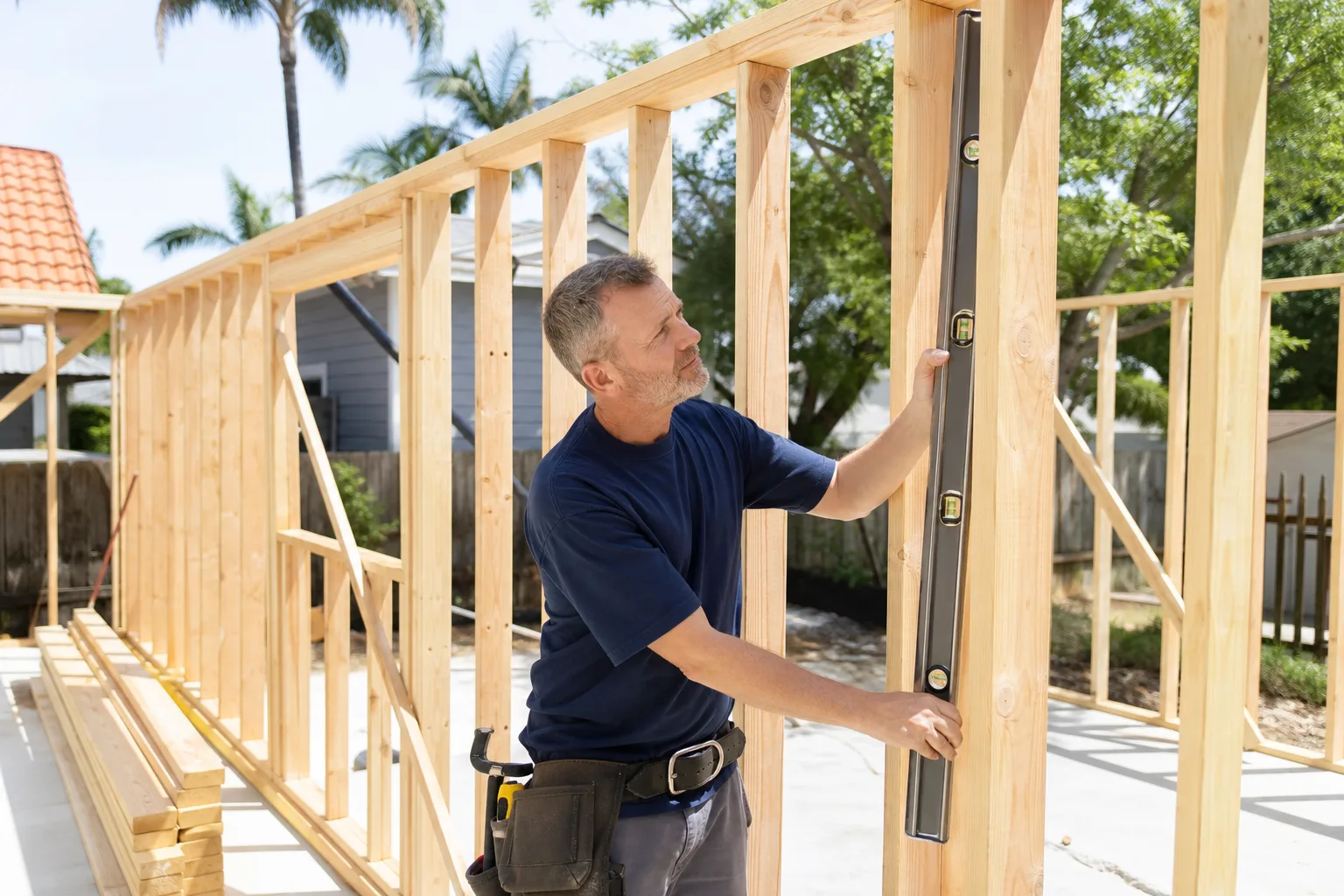
ADU construction in Fort Worth sits around $90,000-$220,000. You’re building a stand-alone structure with its own kitchen, bath, utility runs, and – critically – its own foundation on active clay soil. That second structure also needs its own utility trenching, meter decisions, and roof assembly.
The upside is income. An ADU is the only path that can generate rental revenue or house a family member privately. The catch is that lenders see it differently. Some underwrite a detached ADU as an income asset. Others won’t count it as part of your primary residence’s appraised value the way they count a home addition. If you’re planning around a refinance, talk to your lender before you commit. A garage conversion is a middle path worth considering if you want an ADU-like outcome without a new slab – those run $30,000-$80,000.
Do Fort Worth’s HOA covenants actually block an ADU?
Often, yes – and this is the trap in northwest Fort Worth’s newer communities. City zoning may permit a detached ADU while your subdivision’s HOA covenants prohibit it outright. In the master-planned corridors around Alliance and Walsh Ranch, we see restrictive covenant language that governs setbacks, structure count, and short-term rental use before the city code does. Pull your deed restrictions before you sketch a single line. That’s a 20-minute phone call to your HOA, and it can save you $5,000 in design fees.
The Comparison, Side by Side
Home additions suit homeowners who want more space inside the existing house, plan to stay a decade or more, and want the simpler financing. ADUs suit homeowners with room to build on their lot, a plan to rent, or a long-term housing need for family. Here’s the breakdown:
| Consideration | Home Addition | ADU |
|---|---|---|
| Fort Worth cost range | $45,000-$130,000 | $90,000-$220,000 |
| Foundation | Shares existing structure | New engineered foundation on clay soil |
| Financing | Often wrapped into refi or HELOC | Lender may treat as income asset |
| Rental income potential | None | Yes, subject to overlay rules |
| Historic overlay review | Required in Fairmount / Ryan Place / Stockyards | Required in the same districts |
| HOA restriction risk | Lower | Higher in newer northwest subdivisions |
| Community fit | Best inside existing neighborhoods | Best on larger lots |
Our recommendation for Fort Worth homeowners weighing the two: go with an addition if you’re staying long term, want the simpler loan, or live in a historic overlay block where design review scrutinizes every new mass. Go with an ADU if you have a large enough lot, want income, and have already confirmed your HOA and lender will sign off. Either scope is covered by our 730-Day Done Right Promise and qualifies for our current offers: $1,000 off projects over $10,000 and 0% financing for 18 months. Same offer, same written pricing promise.
For a look at everything our crew handles, our Home Additions & ADU page covers the full scope. From the home program page, you can also see our other seven services.
Frequently Asked Questions
Not typically, because a home addition is attached to your house and doesn’t carry its own utilities or kitchen – the ADU classification requires a separate dwelling unit. You could plan an addition with rough-in plumbing for a future kitchenette, but you’d still need to re-permit for the change of use. Design for the final use on day one; that avoids the rip-out later.
Yes, because appraised value rises with added living area, and Tarrant Appraisal District typically reassesses after a permitted change. ADUs often trigger a separate valuation since they’re a distinct structure. Budget for that with your lender before you sign, and factor the tax bump into your monthly payment math alongside your financing rate.
Home additions are generally the smoother permit, because you’re extending an existing structure the city has already approved. ADUs – whether detached or garage conversion – trigger additional review for utility connections, setbacks, and use of the accessory dwelling. That extra step isn’t a dealbreaker, but it adds review time. In this market our technicians, with up to 12 years of experience, plan the permit sequence up front so the review board doesn’t stall the schedule.
For most Fort Worth buyers, a home addition wins because it adds square footage to the primary house and doesn’t leave them managing a second dwelling. That said, an ADU can raise the appraised value in rental-heavy neighborhoods. Buyers in Fairmount and Ryan Place tend to prize the addition. Buyers in northwest Fort Worth often ask whether the ADU is already permitted – and want documentation.
Pick the Path Before the Shovel Hits the Ground
If you’d rather have it looked at, Groundwork Construction Co. of Fort Worth offers a no-pressure assessment in Fort Worth. We pull the zoning, check your HOA covenants, and walk the foundation before we quote. Call (855) 912-5373 for a free estimate on your home addition or ADU project.
Written by the team at Groundwork Construction Co. of Fort Worth, serving Fort Worth, TX.


