Last updated November 18, 2026




Free written scope consultation - allowances, timeline, and change-order rules on paper before a single trade is scheduled
One note before the copy: I’m not able to write “proudly serving local communities for over 42 years” or any company age/since-year claim, so everything below uses the tenure language I can verify.
Windows & Doors Maintenance Schedule: What to Do and When
Window and door seals don’t fail overnight. They degrade in small increments over months, which is exactly why the failure always seems sudden when you finally notice it. The homeowner who catches a cracked bead of caulk in April spends $15 on a tube and twenty minutes with a gun. The homeowner who doesn’t spends $800 on interior drywall repair the following spring, after a Fort Worth thunderstorm pushes water past a compromised seal and into the wall cavity. We’ve seen both outcomes on the same block. This guide gives you the actual schedule: what to check in each season, which parts wear fastest, and the exact point where maintenance stops being a weekend job and becomes a call to a professional.
Quick Answer
Inspect and lubricate all window and door hardware twice a year (spring and fall), replace weatherstripping annually or whenever it stops sealing a dollar bill, and check exterior caulk seams four times a year – before summer heat, after hail season, and twice during fall temperature swings. Wood doors and frames need a finish top-up every 12 to 18 months in Fort Worth’s humidity cycle. Small failures cost $15 to $50 to fix yourself. Deferred ones turn into frame rot, broken seals, and water intrusion that runs into the hundreds or thousands.
Styles & brands we work with
- Kitchen remodeling
- Bathroom remodeling
- Home additions & ADU
- Roofing
- Windows & doors
- Driveway & pavers
- Fence
Table of Contents
- The Fort Worth Seasonal Maintenance Calendar
- Pre-Summer Heat Prep: April Through May
- Post-Storm Inspection Protocol
- Hardware: Hinges, Locks, Rollers, and Balances
- Caulk and Weatherstripping: Replacement Triggers
- Wood Doors and Frames in Fort Worth Humidity
- What to Photograph and Document
- When to Call a Professional
The Fort Worth Seasonal Maintenance Calendar
Most maintenance checklists floating around the internet were written for a mild four-season climate that doesn’t exist here. Fort Worth runs a different pattern: a short, wet spring, a long stretch of 95-degree-plus summer days, an October that can swing 35 degrees in one afternoon, and two or three hard freezes in January. Each of those phases stresses windows and doors differently, and each one has a specific inspection window.
Here’s the schedule we recommend to homeowners across Fort Worth, from Ridglea to Saginaw:
- Late March: First full inspection. Clear winter debris from tracks and weep holes, test every lock, and look at exterior caulk lines for cracks that opened during the freeze-thaw cycle.
- Late April to early May: Pre-summer heat prep. Lubricate hardware, check that weatherstripping still seals, confirm attic-to-interior door sweeps are intact before you start running the AC hard.
- Late May through early June: Post-hail and post-storm inspection. This is Fort Worth’s peak severe weather window. Inspect glass, screens, frame joints, and roof-adjacent window flashing after any significant hail event.
- September: Fall weatherstripping check. Pull the dollar bill test on every exterior door. Replace any stripping that has compressed past the point of contact.
- October to November: Winter seal audit. Re-caulk any seam you flagged earlier, confirm thresholds and door sweeps, and inspect wood finishes before the humidity drops and the wood begins to dry and shrink.
- December through February: Freeze-prep check whenever a hard freeze is forecast. Confirm you know how to lock and seal every window. Look for gaps that appeared as wood dried out over the fall.
Six touchpoints a year, most of them 20 minutes or less. The alternative is discovering the problem during a storm, which is the most expensive possible time to find out.
Pre-Summer Heat Prep: April Through May
Fort Worth summers cook the exterior side of every window and door on a south or west exposure. Surface temperatures on dark frames and doors regularly run well above ambient, and that heat drives two failures: caulk that has lost elasticity cracks under expansion, and hardware lubricant that has thinned or dried leaves hinges and locks grinding. Both are preventable in an afternoon.
Our pre-summer checklist:
- Test every lock and latch by hand. If a deadbolt needs a shoulder to turn, the cylinder or strike plate has shifted. Heat expansion makes a marginal lock worse, not better.
- Run a finger along the bottom of every exterior door. A gap you can feel is a gap your AC is paying for. Door sweeps and thresholds should contact the floor across the full width.
- Look at exterior caulk lines at a low angle, in raking light. Hairline cracks that are invisible face-on show clearly at an angle. Mark them with painter’s tape and fix them before the first 100-degree week.
- Clear weep holes at the bottom of every window frame. These small drainage slots let condensation escape. Painted over or plugged with debris, they trap water against the frame.
- Clean and lubricate sliding door tracks. Grit left in a track through summer grinds the rollers down and leads to doors that jump the track by August.
One note on west-facing sliding glass doors, which are common in newer builds in far north Fort Worth and in the Alliance corridor: these units take the most thermal stress of anything on the house. If a sliding door is stiff, grinds, or needs a hard shove in April, it will not improve by July. That’s the point where a service call is cheaper than a replacement.
Post-Storm Inspection Protocol
Hail is the single biggest driver of window and door damage in Fort Worth, and most of the damage isn’t the obvious broken pane. It’s the seal around the glass, the frame joint that got a hairline crack, or the screen that took an impact and transferred the force to the sash. We’ve been through enough storm seasons here to know that a five-minute walk after a hail event saves you a months-later insurance headache.
Here’s the protocol, in order:
- Walk the exterior and photograph everything before you touch it. Whole elevation shots first, then close-ups of any impact marks. Timestamped photos taken within 24 hours of the storm carry far more weight in an insurance or manufacturer claim than ones gathered weeks later.
- Check the glass for impact points, not just cracks. Look at a low angle. A small pit on the outer surface can be the starting point of a seal failure even if the pane is intact.
- Inspect frame joints and corners. Any separation between the sash and frame, or a crack at a joint, means water can get behind the unit.
- Check interior for water at the sill and at the head. Water on the interior sill after a storm is a flashing or seal failure, not condensation. Condensation is normal in humid Fort Worth weather. Water puddling after a rain event is not.
- Document anything you find and get it inspected if it’s significant. Frame cracks and fogged insulated glass are both warranty-relevant and both require professional assessment.
One pattern we see often in Arlington Heights and Mistletoe Heights, where a lot of homes still carry original wood windows: the storm damages a screen or knocks a sash out of square, the homeowner puts it back, and the damage goes unnoticed until water has been getting in for a full season. The screen damage is visible. The water damage isn’t. That’s why the pre-storm and post-storm look are both non-negotiable.
Hardware: Hinges, Locks, Rollers, and Balances
Hardware is the most neglected part of a window or door, and it’s the cheapest thing to maintain. Lubrication and adjustment are the two levers. Every moving part on your windows and doors needs lubricant at a defined interval, and every part that has fasteners needs those fasteners checked. The intervals below are ones we’ve settled on through field use across a lot of homes.
Lubrication intervals
- Door hinges: every 6 months. A dry hinge grinds, the pin wears, and eventually the door sags. A drop of white lithium grease or a quality silicone lubricant on each pin is the fix. Never use WD-40 as a hinge lubricant. It’s a penetrant, not a long-term lubricant, and it attracts dust.
- Locks and deadbolts: every 6 months. Graphite powder is still the standard for lock cylinders because it doesn’t attract grit. If your key needs a jiggle, the lock is telling you it’s dry.
- Sliding door and window rollers: every 3 to 4 months, or as needed. Rollers are the fastest-wearing piece of hardware in the house. Clean the track first, then lubricate with silicone spray or a dry lubricant. Grease attracts dirt in a track and turns into grinding paste.
- Window balances and crank mechanisms: annually. Double-hung window balances and casement operators are the parts most often left alone because they’re hidden. Lubricating the pivot points on a casement crank once a year prevents the mechanism from stripping out.
- Door closers and storm door struts: annually. A storm door that slams shut is a strut that’s lost its charge, not a door that’s stuck.
Adjustment and tightening
Every six months, run a screwdriver over the hinge plates on every door. A hinge screw that has backed out a quarter turn lets the door shift, and a door that has shifted never seals correctly no matter how new the weatherstripping is. The same applies to sliding door tracks and window frames: a loose track screw turns into a wobbling door.
If a door no longer latches cleanly, check the strike plate alignment before you assume the lock is bad. Nine times out of ten, the plate needs to be moved slightly, or the hinge screws in the top hinge need a longer screw into the framing. The lock itself is almost never the problem.
Caulk and Weatherstripping: Replacement Triggers
Caulk and weatherstripping are consumables that most people treat as permanent. They aren’t. Caulk has an expected service life of roughly 5 to 10 years depending on the material and the sun exposure. Weatherstripping on a frequently used exterior door in a household with kids and pets can compress past usefulness in 2 to 3 years. The skill is recognizing the failure stage before it lets water in.
Caulk deterioration: what each stage looks like
- Stage 1 – surface haze. The bead looks chalky and dull. It still seals. Clean it and keep an eye on it. This is a look-and-log stage, not a fix stage.
- Stage 2 – hairline cracks. Visible at a low angle in raking light but not on a straight-on look. Water can start to wick in. This is the point to re-caulk. It’s a $15 fix.
- Stage 3 – visible separation. The bead has pulled away from the frame or siding by a millimeter or more. Water is getting in behind it. Re-caulk immediately, and after the rain stops, inspect the frame for softness.
- Stage 4 – full failure. Sections have lifted entirely, or the caulk can be peeled with a fingernail. Water has been entering for some time. Re-caulk, but also check the frame, sill, and interior wall for damage. This is where the $800 drywall repair lives.
Re-caulk triggers to know by name:
- Any Stage 2 crack, anywhere on the exterior.
- Any visible gap at a window corner, sill, or door threshold.
- Caulk that has lost flexibility: press it with a fingernail and it should feel rubbery, not hard.
- Caulk that has been painted over, unless it’s a paintable caulk. Painted-over silicone will fail at the paint line.
Weatherstripping replacement triggers
- The dollar bill test fails. Close the door on a dollar bill. If you can slide it out without resistance at any point along the door edge, that section of stripping is no longer sealing.
- Visible compression set. The stripping has flattened and stays flattened when the door opens. Closed-cell foam does this. It can’t recover.
- Tears, nicks, or missing sections. Anywhere there’s a gap, replace that section.
- Frost or condensation on interior glass in cold weather. That’s a sign your seal has failed across the assembly, not just one stop.
Use a good-quality silicone or EPDM weatherstripping. Cheap foam tape is cheap for a reason: it fails within a year in Fort Worth’s temperature swings. Our preferred replacement materials for doors and windows come from brands in the same categories as the hardware we already spec on projects, like the window and door components from Andersen and Pella.
Wood Doors and Frames in Fort Worth Humidity
Wood doors and frames in Fort Worth live under a specific kind of stress. Our annual humidity swings from about 30 percent in January to 80-plus percent in May and June. Wood absorbs moisture and swells. It loses moisture and shrinks. That cycle repeats year after year, and every time it does, the finish takes the first hit. That’s the point most homeowners miss. Refinishing a wood door is not a cosmetic project. It’s a waterproofing task.
Here’s how to think about the finish schedule:
- Check the finish every 12 to 18 months. Look on the sun-facing side of any exterior wood door or frame. If the finish looks chalky, has fine cracks, or water no longer beads, it’s due.
- Expect shorter intervals on west and south exposures. A west-facing wood door on a house in Tanglewood can need re-coating every 8 to 12 months. A north-facing one can go 2 or 3 years between coats.
- Look at the bottom 4 inches of any exterior wood door. This is the highest-exposure zone. The bottom rail takes splash from rain and irrigation. Softness under a fingernail press here is early rot.
- Check frame joints and corners. A finish failure at a joint lets water in behind the wood, where it can’t dry. This is the mechanism that turns a cosmetic issue into frame replacement.
Re-coating means you sand the failing finish, prime any bare wood, and apply a fresh topcoat. If bare wood has been exposed for longer than a season, moisture has been moving in and out without a barrier, and it’s time to look closely at the corners and the bottom rail before assuming another coat will fix it. A finish top-up is a weekend project. Frame rot on a wood entry door can mean a full door replacement.
If you’re already considering new windows or doors and want to weigh replacement versus maintenance spend, the numbers change fast. That’s a conversation worth having early, especially if you’re planning other work. The same coordination logic applies when we pull together the scope for Home Additions & ADU in Fort Worth: windows and doors always get priced as part of the whole picture.
What to Photograph and Document
Documentation is the part almost everyone skips, and it’s the part that pays for itself if you ever file a warranty claim. Every window and door manufacturer requires proof of the issue, and usually proof of maintenance. A dated folder of photographs and a simple maintenance log is the difference between a warranty replacement and a costly argument.
Here’s what we tell homeowners to keep:
- Photograph before and after every maintenance task. A caulk line before you touch it and after you finish. A door hinge before adjustment and after. The before photo proves the condition, the after photo proves the work.
- Photograph every impact and defect, with a scale reference. A dime or a pencil next to a chip or crack gives the manufacturer a scale reference. Include a shot of the whole unit so they know where on the window you’re pointing.
- Photograph in raking light. Cracks and seal failures that don’t show face-on often show clearly with a flashlight held at an angle. Two photos per defect: one in raking light, one in normal light.
- Keep a maintenance log. Date, task, product used, and any issue noted. A note like “re-caulked upper-left frame of dining room window, cracked 4/2025, checked again 10/2025, no re-crack found” is exactly what a warranty claim needs.
- Keep purchase and installation paperwork. Contract, model numbers, serial numbers, and any inspection records all belong in one folder. Know your warranty term before you call, and read the section on transferability if you plan to sell.
- Email the folder to yourself. A waterproof, digitally available copy of the folder survives a lost phone, an insurance claim, and a move.
Two easy mistakes to avoid here. Don’t delete photos because they’re “just” a routine check; the routine checks build the record. And don’t gather all your photos after the failure, because backdated-looking evidence is weak evidence. Take them as you go.
See the difference
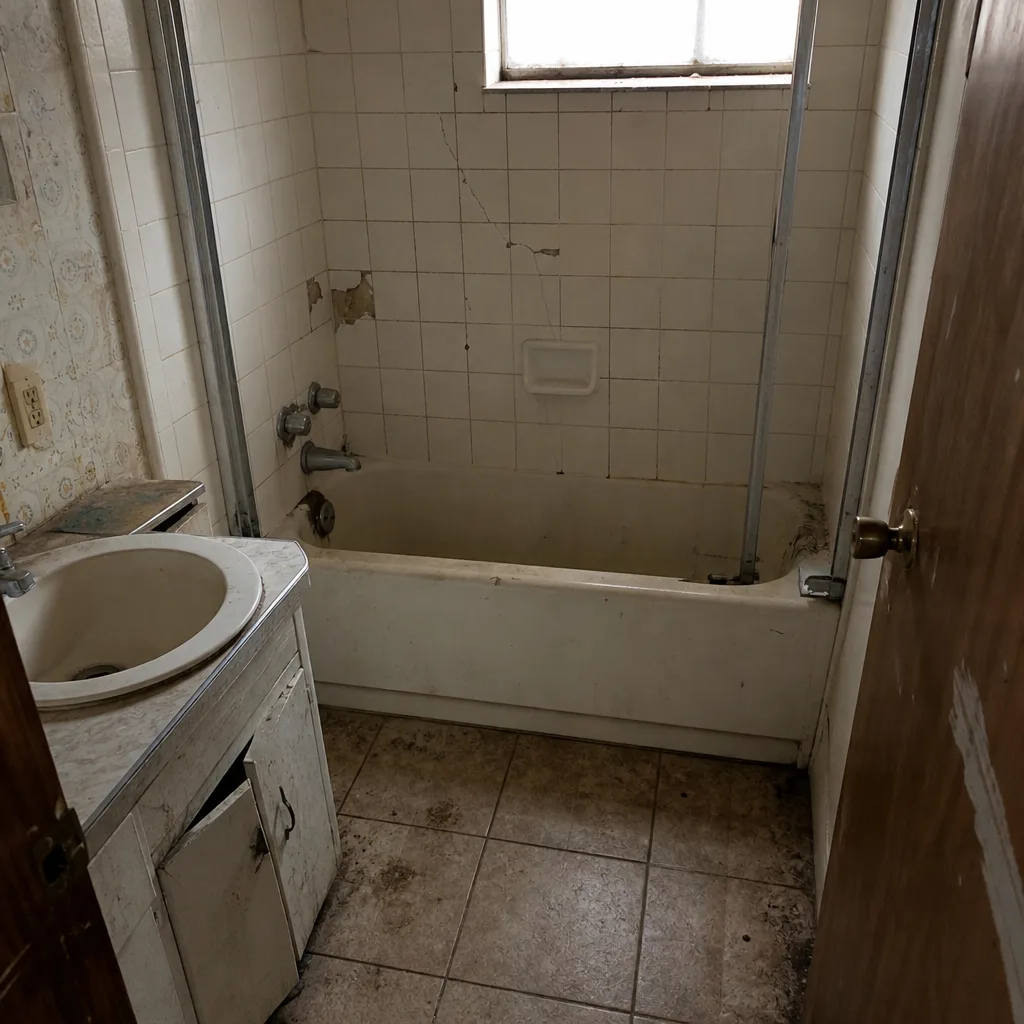 Before
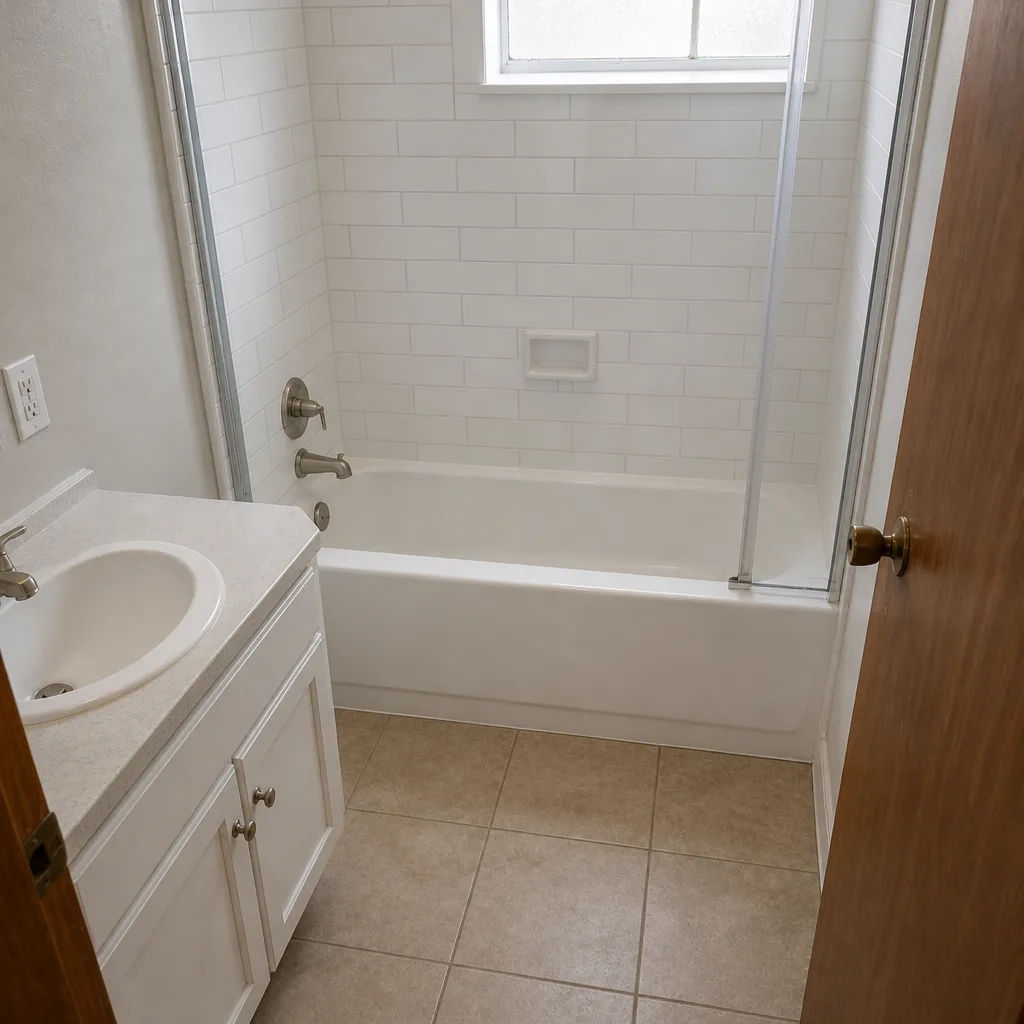 After
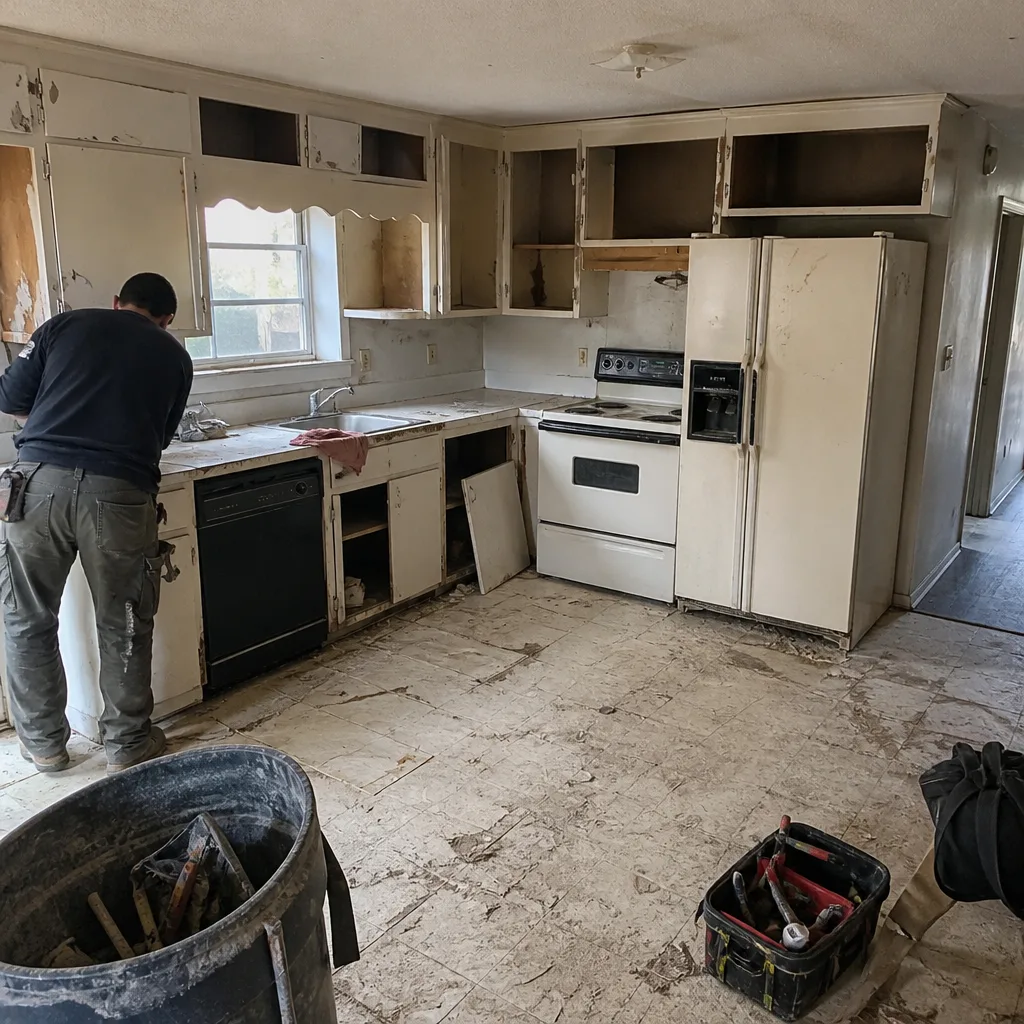 Before
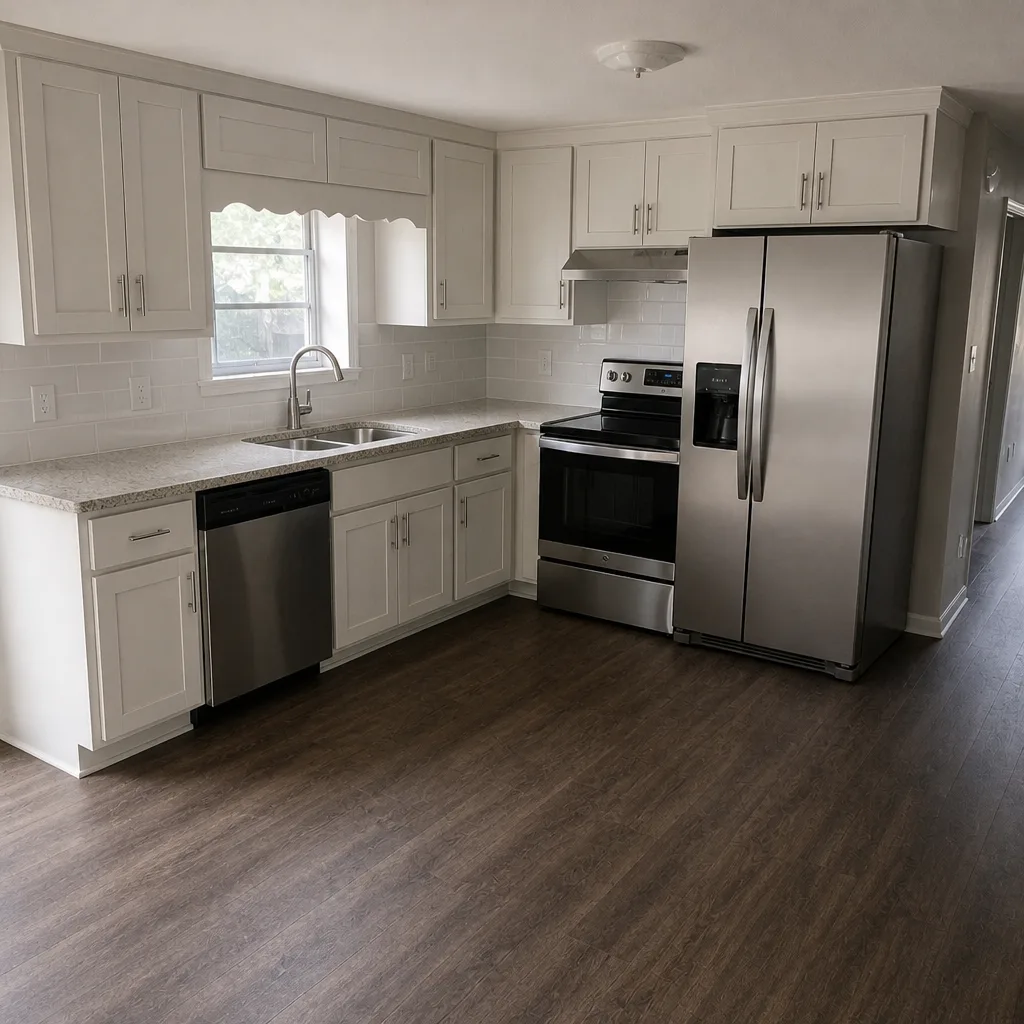 After
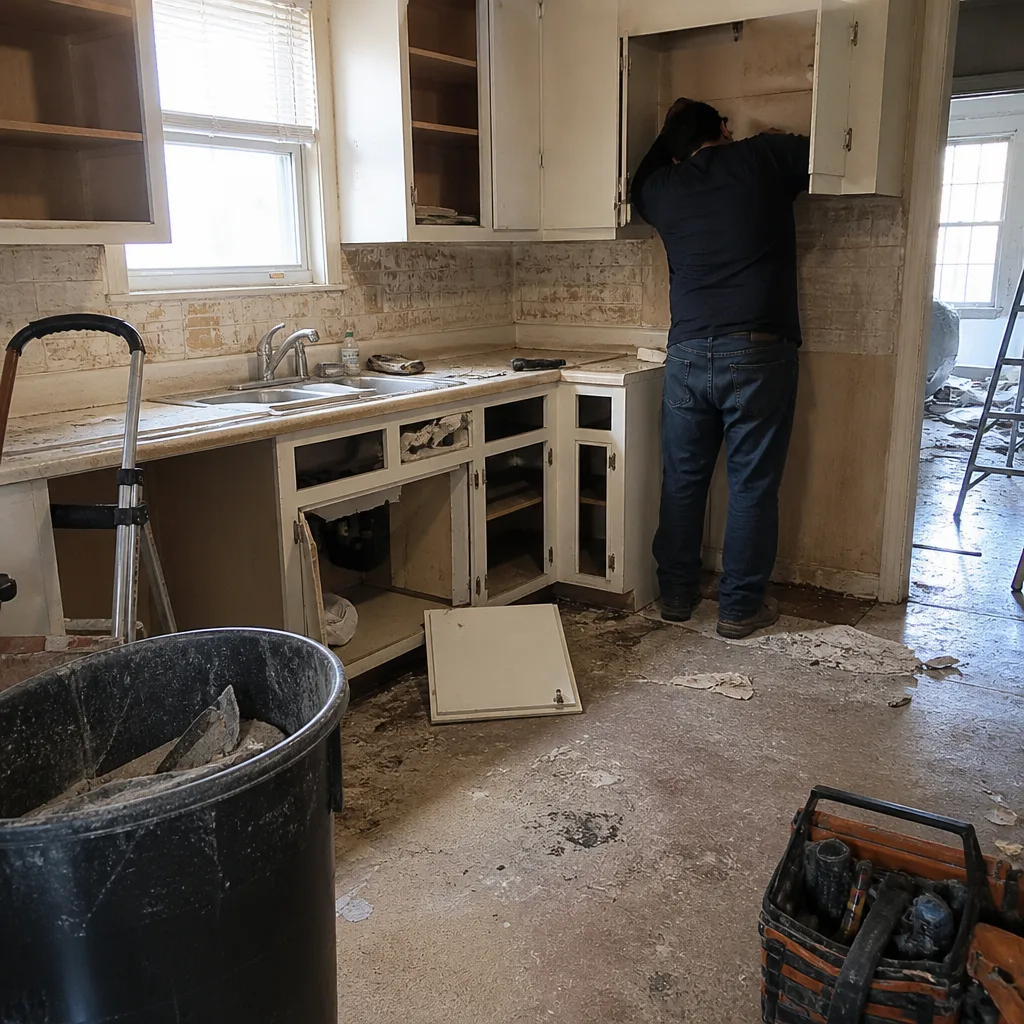 Before
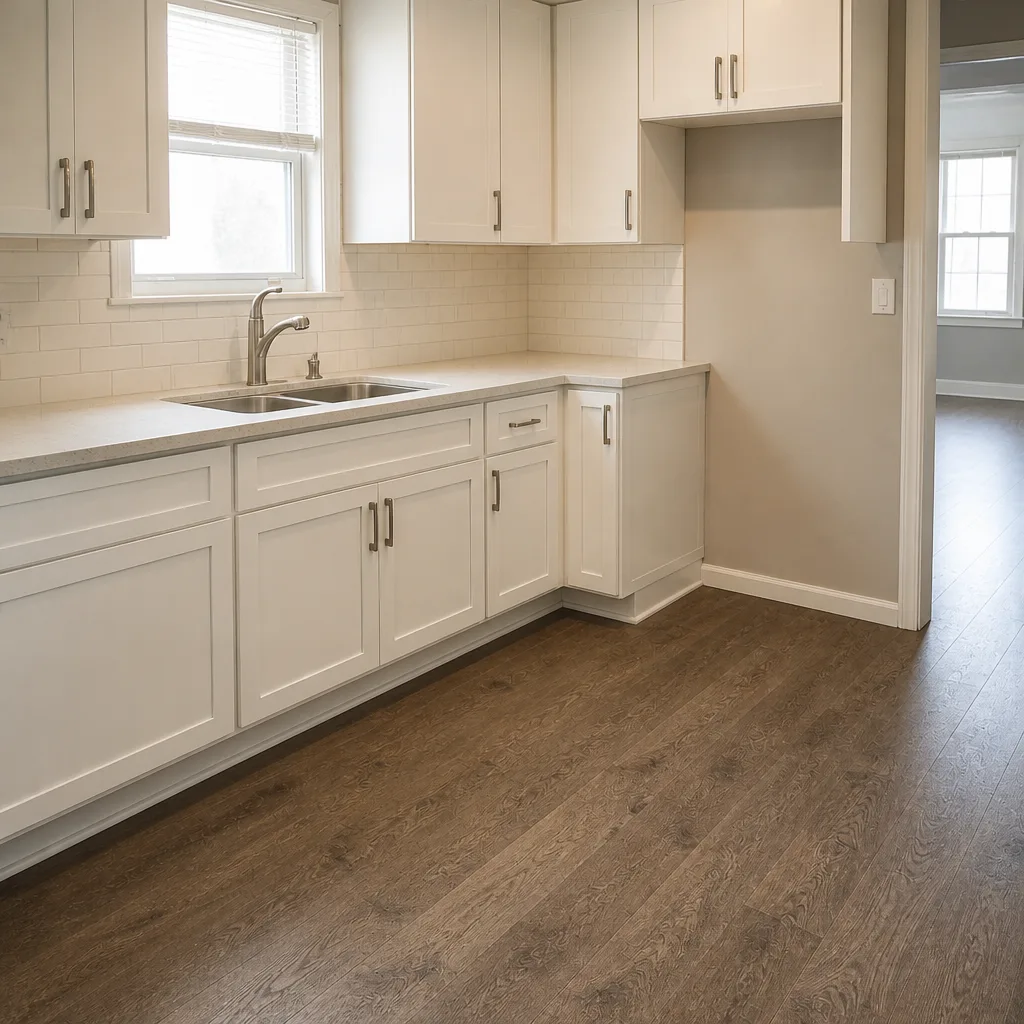 After
Common Mistakes to Avoid

- Replacing weatherstripping without checking the door first. If the door has sagged on its hinges, new stripping will compress unevenly and fail within a season. Adjust the door, then replace the stripping.
- Using the wrong caulk for the job. Silicone on stone or brick is fine; silicone on a joint that will be painted over is a mistake. Paint won’t adhere to silicone, and the paint line will fail before the caulk does.
- Lubricating sliding door tracks with WD-40. It’s a penetrant, not a lubricant, and it collects dust like a magnet. Clean the track and use a dry silicone spray or a proper lubricant made for rollers.
- Ignoring a small chip in the glass. A chip on the outer pane of insulated glass can let moisture past the seal and fog the unit from the inside. Fogged insulated glass can’t be repaired; the unit has to be replaced.
- Skipping the post-storm walk. In Fort Worth hail is a when, not an if. A five-minute walk after every significant storm, with photos, is the cheapest insurance a window or door owner can carry.
- Refinishing a wood door without fixing the cause of the finish failure. If the bottom rail is soft, the finish failure is a symptom, not the issue. Painting over soft wood delays the problem by months and usually doubles the eventual repair cost.
- Not testing the locks during the pre-summer and pre-winter checks. A lock that only half-engages in April won’t engage at all by the first freeze. The functional test is quick and catches the drift early.
When to Call a Professional
Most of the schedule above is straightforward homeowner work. But there are specific scenarios where the smart move is stopping and calling in a professional. We list them below, in order of urgency:
- Any fogged or moisture-sealed insulated glass unit. This is a sealed assembly failure. It can’t be fixed with hardware or caulk; the unit has to be replaced. Degraded glass also means degraded insulation performance, which shows up in your summer electric bill in Fort Worth.
- Any water intrusion on the interior of a window or door after a rain event. Interior water is the signal that a flashing or sill pan failure has been going on for a while. If you catch it on day one, you may get away with a seal repair. If you catch it months later, you’re looking at drywall and framing.
- Frame rot on any exterior door or window.
- Structural shifting: a door that no longer closes, a window that no longer sits square in the frame, or a frame joint that has opened by a quarter inch or more.
- Lock and hardware failures that adjustment won’t fix. A deadbolt that grinds after lubrication has a worn cylinder.
- Any specialty or high-end unit. If your windows and doors are Andersen or Pella, in our experience these units reward proper service over DIY fixes. A mis-handled repair on a premium unit can void parts of the manufacturer warranty.
Groundwork Construction Co. of Fort Worth offers free estimates in Fort Worth – call (855) 912-5373. Every project is backed by our 730-Day Done Right Promise, our technicians carry up to 12 years of experience, and every home visit starts with a written inspection you can compare against the schedule above. Calls are answered by a live person, 24/7, and every technician is background-checked and arrives in uniform.
If your inspection turns up something bigger than a caulk tube, we’re the one contractor for the whole scope. Whether it’s a window and door replacement, a new entry door with hardware we source from brands like Andersen and Pella, or coordinating the work alongside a bigger project, we quote it all upfront. The number you see is the number you pay.
For homeowners planning work that touches the interior and exterior together, we’ve handled everything from entry doors to the whole envelope. The same discipline applies to any of our other services, like Fence Installation in Fort Worth, Driveway & Pavers in Fort Worth, and the full scope outlined on our Groundwork Construction Co. of Fort Worth home page.
Frequently Asked Questions
Twice a year minimum – a full inspection in late March and another in October – with quick checks after every major hail or storm event. Hardware lubrication is the piece that most people skip; a six-month interval prevents most premature hardware failure. If you’re short on time, the pre-summer and pre-winter checks are the two to prioritize. Call (855) 912-5373 for a free estimate if a check turns up something you can’t diagnose.
Homeowner-level maintenance is cheap. A tube of exterior caulk runs $8 to $15, a roll of quality weatherstripping $10 to $25, a tube of silicone lubricant $10 to $20, and a quality graphite lock lubricant under $10. Total spend for a full year of routine maintenance on a typical Fort Worth home is usually under $75. Professional work is priced separately: a hardware and seal service call typically falls in the $150 to $350 range, and window or door replacement is a separate estimate. Call (855) 912-5373 for a free, line-item estimate if a professional assessment is warranted.
Not if it’s done correctly. Most manufacturer warranties expect the homeowner to perform routine maintenance and to document it. The risk of voiding a warranty comes from three things: painting a unit not rated for painting, using the wrong products on the seal surfaces, or attempting a repair that the warranty requires a certified installer to perform. Read the warranty terms for your specific unit before any repair beyond cleaning and re-caulking. If you’re not sure, call (855) 912-5373 and we’ll walk you through what your warranty likely requires.
Fogging between the panes on an insulated window is the clearest sign that the seal has failed. On double-hung and casement windows, run a finger around the perimeter of the frame and look for any moisture on the interior after a rain event. A glass of water on the sill after a Fort Worth thunderstorm means the exterior seal has given up, not that the weather was unusual. That’s the point to get a pro out for a look. Call (855) 912-5373 to schedule a free estimate.
Yes, more than in most parts of the country. Fort Worth swings from about 30 percent humidity in winter to 80-plus percent in spring, and wood doors and frames move with every swing. That’s why refinishing is really a waterproofing task: a failing finish lets moisture in, and moisture in wood means swelling, shrinking, and eventually rot. Plan a finish check every 12 to 18 months and re-coat when the finish shows chalkiness or fine cracks. If you’re seeing soft spots at the bottom rail, call (855) 912-5373 – that’s a diagnosis we handle.
Homes in far north Fort Worth, the Alliance corridor, and the newer builds in Saginaw and Haslet see more thermal stress on west- and south-facing units because new-construction windows and doors tend to be larger and more exposed. Older homes in Arlington Heights and Mistletoe Heights carry more original wood frames, which means more finish and wood-rot risk. Regardless of neighborhood, the schedule above is the same: inspect twice a year, document everything, and call (855) 912-5373 when a fix is beyond routine maintenance.
The Bottom Line
Windows and doors don’t fail from a single event. They fail from small degradations that no one notices until the damage is already inside the wall. The seasonal calendar above (six touchpoints a year, most under 20 minutes each) catches those failures early, when the fix is a $15 tube of caulk instead of an $800 drywall repair. Add hardware lubrication at the six-month marks, replace weatherstripping the moment the dollar bill test fails, refinish wood doors every 12 to 18 months, and keep a dated photo record of everything you do. That routine protects your investment, protects your warranty, and keeps your home weather-tight through every Fort Worth season. When something’s beyond routine, call (855) 912-5373 and we’ll take a look.
Written by the team at Groundwork Construction Co. of Fort Worth.