Last updated November 18, 2026







Free written scope consultation - allowances, timeline, and change-order rules on paper before a single trade is scheduled
Home Additions & ADU Maintenance Schedule: What to Do and When
Sometime in the second or third year after we finish a home addition or ADU in Fort Worth, a homeowner will call us about a soft spot in the drywall along a back wall. Nine times out of ten, the water is getting in at the seam where the new roofline meets the original house, and the caulk there has been quietly failing for two seasons. Nobody told them that seam needed attention. That junction between old and new is the most maintenance-intensive linear foot on your whole property, and once you understand the schedule it needs, an addition stays watertight and rentable instead of turning into a repair bill. This guide lays out the month-by-month, season-by-season routine.
Quick Answer
A home addition or ADU needs an annual maintenance routine focused on the places that interface with old construction: the expansion joint and flashing where new meets original, the perimeter grading and foundation on Fort Worth’s clay soil, and the systems unique to a smaller or newer structure such as tankless water heaters, mini-splits, and rental-grade exterior doors. Inspect and reseal that joint every year before summer, check the roof flashing before storm season, water the foundation during drought, and log every task with photos so warranties and resale history hold up.
Styles & brands we work with
- Kitchen remodeling
- Bathroom remodeling
- Home additions & ADU
- Roofing
- Windows & doors
- Driveway & pavers
- Fence
Table of Contents
- Why an Addition or ADU Doesn’t Maintain Itself Like Your Original House
- Your Month-by-Month Maintenance Calendar for Fort Worth’s Climate
- The Expansion Joint: The Most Ignored Seal on Your Property
- Roof and Flashing Inspections: What to Check Before Storm Season
- Foundation and Grading Maintenance on Fort Worth Clay Soil
- ADU Systems: Tankless Water Heaters, Mini-Splits, and Doors
- The Documentation Checklist That Protects Resale and Warranties
Why an Addition or ADU Doesn’t Maintain Itself Like Your Original House
Your original house grew into its surroundings. The foundation settled decades ago, the roof has been re-covered at least once, and the trim has been repainted through multiple cycles. A new addition shares none of that history. It’s freshly built, still moving through its first few years of settlement, and bolted to something that isn’t.
That creates what builders call interface points – the physical boundaries where new construction touches old. There are more of them than most homeowners realize:
- The expansion joint or seam where the new exterior wall meets the original wall
- The roofline tie-in, including flashing and step flashing at the transition
- The foundation joint, which may be a different type or depth than the original
- The attic or crawlspace connection, where air and moisture move between the structures
- HVAC, electrical, and plumbing penetrations that cross from old into new
Each of these is a maintenance item, and each fails differently than the rest of the envelope. A wall on the north side of a Fort Worth home, for example, doesn’t see the punishing UV that the west elevation does, so caulk and sealant aged on one side of an addition can be at a different stage of failure than the other. And the newer materials themselves – modern windows from suppliers like PGT, engineered siding, tankless water heaters – have their own maintenance intervals that don’t match what you’ve been doing on the rest of the house.
Bottom line: an addition is a mini-system nested inside a larger system, and it needs its own routine. Skip it and the failures show up at the interface points first.
Your Month-by-Month Maintenance Calendar for Fort Worth’s Climate
Fort Worth runs a specific weather cycle: hot, dry summers with 100-degree stretches, a hard freeze window that occasionally dips into single digits, and hail-producing storms in spring and early summer. That rhythm sets your maintenance calendar. Here’s how the year breaks down.
January and February: Post-Freeze Checks
After the first hard freeze, walk the addition’s exterior and check caulk and sealant at every joint – especially the expansion joint and window surrounds. Freeze-thaw cycling makes rigid sealant crack. On pier-and-beam structures, look under the crawlspace or along the foundation for new cracks or movement; the freeze-thaw cycle moves clay soil and can shift piers. Log photos and note the dates.
March and April: Pre-Storm Roof and Flashing Inspection
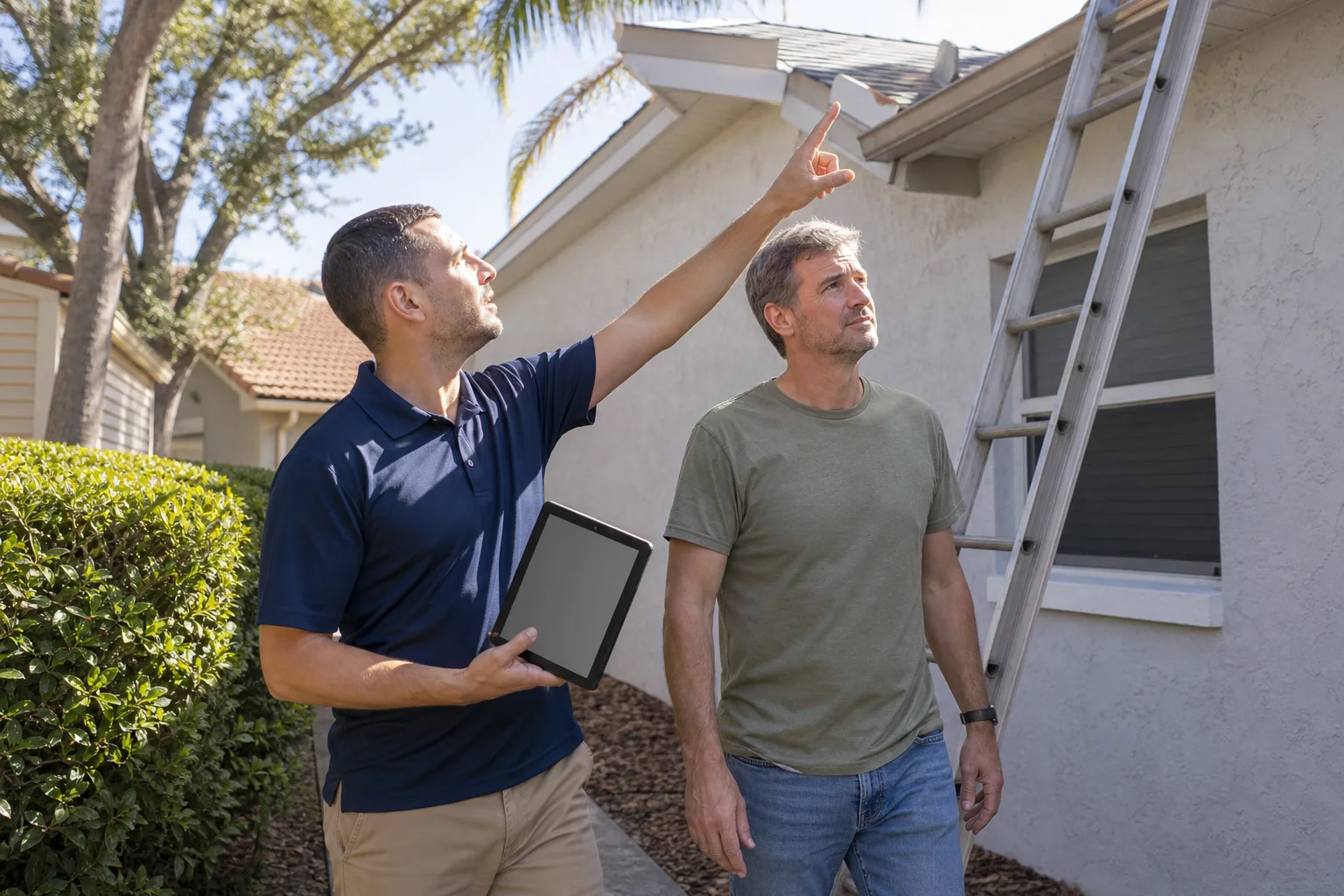
Before the spring hail season, get up on the roof or hire someone to inspect the tie-in at the addition. Check step flashing, the counterflashing at the wall-to-roof transition, and the caulk lines around any vents or skylights. Roofing suppliers like GAF and CertainTeed publish warranty maintenance requirements – failing to maintain the flashing doesn’t usually void a roof, but it does remove the failure from coverage if water intrusion traces back to a bad sealant joint. Take photos of the flashing before and after.
May and June: Pre-Summer HVAC and Refrigerant Check
Before the heat hits, replace HVAC filters and have a technician check refrigerant charge and the condensate line. An addition often has its own air handler or mini-split head. Refrigerant leaks are more likely in new systems that have seen one or two summer cycles, and a small leak can cost you a compressor if it goes ignored through an August. Renters in an ADU won’t tell you the air feels weak – they’ll tell you it broke.
July and August: Foundation Watering and Joint Inspection
Drought stress is the biggest threat to a Fort Worth foundation in summer. Run a soaker hose or drip line 12 to 18 inches from the foundation perimeter and keep the soil consistently moist – not soaked. Check the expansion joint again mid-summer; UV exposure is at its peak and exterior caulk degrades fastest in this window. Verify the grading slope is still at least six inches of fall over the first ten feet.
September and October: Door and Window Seals
Before the first cold front, inspect weatherstripping on ADU entry doors and all exterior doors on the addition. Texas temperature swings of 30 to 40 degrees in a single day are hard on door seals. Test by closing the door on a dollar bill – if you can pull the bill out with no drag, the seal is failing. Check window glazing and weep holes for debris.
November and December: Gutters, Grading, and Interior Checks
Clean gutters and downspouts, confirm downspouts discharge well away from the addition’s foundation (four feet minimum), and do an interior check – look for hairline cracks at drywall corners and ceiling lines. Small cracks in the first three years are normal settlement. Cracks that grow or return after repair are worth a professional look. Photograph everything.
If you’ve considered adding a covered patio, walkway, or hardscape that touches the addition, coordinating it with your maintenance calendar avoids surprises. We build Driveway & Pavers in Fort Worth that tie into existing structures with proper drainage, which is part of why hardscape and addition maintenance belong on the same schedule.
The Expansion Joint: The Most Ignored Seal on Your Property
Here’s what we find more than any other failure on an addition: the caulk or sealant at the expansion joint – the seam where the new wall meets the original – has failed, and nobody noticed for two seasons. Water gets behind the siding, into the wall cavity, and shows up as a stain on the interior drywall or soft sheathing long after the actual failure.
What failed caulk looks like, in plain terms:
- Visible cracks or pulls away from the wall on either side
- Caulk that has shrunk and left a gap (common in Fort Worth heat)
- Caulk that feels dry and brittle when pressed with a fingernail
- Discoloration, mildew, or dirt accumulated at a spot that shouldn’t collect it
- Caulk that has separated entirely, showing daylight or the backer rod
What holds up in Fort Worth’s climate matters. Big-box latex caulk will crack in a Texas summer. We spec high-quality polyurethane or siliconized polyurethane sealants for exterior joints – they stay flexible through the temperature swings and hold UV better. Some jobs call for a backer rod in wide joints before sealant goes in. Sealant choice depends on the joint width and substrate, and that’s worth getting right.
The 10-Minute Expansion Joint Inspection
You don’t need a contractor to check it. Here’s what it takes:
- Grab a ladder, a flashlight, and a phone for photos.
- Walk the full exterior length of the seam where new meets old, top to bottom.
- If you can safely reach, poke the caulk gently with a fingernail – not a tool – to feel for hardness or separation.
- Look at the interior side of the same wall for stains, bubbling paint, or soft drywall.
- Photograph any cracks, gaps, or stains with something for scale (a coin or tape measure).
- Schedule resealing for any joint that fails the check, ideally before the next rain season.
If you’re not comfortable on a ladder, or the joint is high, call a professional. Ten minutes and a flashlight is the whole inspection, and it’s the single highest-value maintenance you do on the addition.
Roof and Flashing Inspections: What to Check Before Storm Season
The roof over your addition is where water most often wins. Flashing details – the metal that seals the transition from the addition’s roof to the original roofline – are the weak points. In Fort Worth, we see hail damage to flashing and sealant on a predictable cycle, and the fixes are usually small if done before a leak.
What to Look For
- Lifted, bent, or missing step flashing where the addition roof meets the original wall
- Gaps in sealant along flashing edges
- Missing or damaged shingles along the ridge where the two roofs meet
- Dents from hail – not always a leak, but a sign the roof took a hit
- Granules in the gutters after a storm – a sign shingles are wearing
- Interior ceiling stains near the tie-in, which indicate a leak that’s already active
After a Hailstorm
- Wait until the storm passes and it’s safe to be outside.
- Photograph the roof from the ground if visible, plus any gutters with granule accumulation.
- Check the interior ceiling along the tie-in for stains.
- Call the roofer – here’s where regular maintenance records matter, because a roofer can assess whether the damage is weather-related or sealant failure.
- Log the date, the storm, and the photos in your maintenance file.
We install GAF and Owens Corning roofing systems on additions and roofs in Fort Worth, and both brands publish maintenance guidance worth reading. Don’t climb on the roof yourself if it’s steep, wet, or high – the flashing check is something a pro can do safely in a fraction of the time.
Foundation and Grading Maintenance on Fort Worth Clay Soil
Fort Worth sits on expansive clay soil that swells when wet and shrinks when dry. A home addition on a slab or pier-and-beam foundation feels that movement, and the original structure feels it differently because its foundation was placed and settled years earlier. That mismatch is what stresses the interface.
Controlled Watering During Drought
When the ground dries out and pulls away from the foundation, the soil contracts and the foundation can settle unevenly. A soaker hose 12 to 18 inches from the foundation perimeter, run in the morning during dry spells, keeps the soil moisture consistent. This is the most effective preventive maintenance on a Fort Worth foundation, and it’s free after the hose.
Grading and Drainage
The ground should slope away from the house at a rate of about six inches over the first ten feet. Check it every spring. If soil has washed out or settled, regrade. Downspouts should discharge at least four feet away. Mulch beds against the wall should stay below the top of the slab or the siding bottom; high mulch traps moisture against the wall and hides the expansion joint.
When to Call a Foundation Specialist (and When Not To)
Hairline cracks in drywall and brick mortar in the first three years are normal. Call when you see:
- Doors or windows on the addition that stick suddenly or won’t latch
- A brick or siding crack wider than a quarter inch, or one that keeps growing
- Visible separation at the interface joint between old and new foundations
- Floor slopes or soft spots that appear over months, not days
Don’t panic over a single cosmetic crack. Do get a free foundation evaluation if the pattern is structural. Foundation work is high-cost and serious – always confirm the specialist’s credentials and get a written assessment before signing.
ADU Systems: Tankless Water Heaters, Mini-Splits, and Doors
An ADU carries the systems of a small home, and if it’s a rental, those systems get heavy use. Our technicians have up to 12 years of experience on these calls, and the three most common ADU maintenance items we see are predictable.
Tankless Water Heater Descaling
Fort Worth water runs hard – the calcium and mineral content builds up on the heat exchanger of a tankless water heater and reduces efficiency and flow. Descaling once a year is the manufacturer’s schedule in most homes with hard water. Doing it yourself with a descaling kit is possible, but on a rented ADU, having a qualified plumber do it and log it is worth the modest cost – and a neglected tankless unit fails well before its expected service life.
Mini-Split Filter Cleaning
Mini-split heads on an ADU need filter cleaning every one to three months, and the shorter end of that window matters for rentals. Dust and pet hair clog filters fast, and a clogged filter forces the unit to work harder, which stresses the compressor. Cleaning the filter is a 10-minute job a homeowner can do; a technician should handle the coil cleaning and refrigerant check twice a year. If the tenant reports weak airflow or the unit ice-over, that’s a service call, not a filter issue.
Exterior Door Weatherstripping
Texas temperature swings of 30 to 40 degrees in 24 hours work weatherstripping hard. Entry doors on an ADU should use weatherstripping rated for temperature swings – foam tape alone won’t hold up. Check the sweep at the bottom of the door too; if you can see daylight under it, it’s leaking air and water. Replace weatherstripping annually, or when the dollar-bill test fails.
If you’re adding or renovating an ADU bathroom, coordinating with a plumbing and finish partner matters – our Bathroom Remodeling in Fort Worth team handles the fixtures and waterproofing that sit behind the maintenance you’ll do after. And if you’re building the addition itself, the Home Additions & ADU in Fort Worth work we do starts with details that make the maintenance schedule easier to follow later.
The Documentation Checklist That Protects Resale and Warranties
Two things get easier when you document maintenance: selling the home, and holding a warranty accountable. Buyers ask for maintenance records on additions and ADUs, and warranty providers ask for them when a claim comes in. A dated folder of photos and notes is worth real money at resale and saves arguments later.
What to Photograph
- The expansion joint, interior and exterior, before and after resealing, with dates
- Roof flashing at the tie-in each year, before storm season
- Foundation perimeter and grading, especially after heavy rain or drought
- Water heater descaling (date and plumber receipt)
- HVAC and mini-split service records and filter change dates
- Any crack, gap, or stain – with a coin or tape measure for scale
- Storm dates and any post-storm photos
What to Log
- Keep a simple spreadsheet or notebook with task, date, who did it, and cost.
- Store photos in a cloud folder, not just on your phone.
- Keep receipts for materials and service calls – sealant brands, water heater service, and roof repairs all matter to a future buyer.
- Attach the builder’s written warranty and the 730-Day Done Right Promise documentation from your original build to the maintenance file.
When you sell, a well-documented addition removes doubt. Buyers pay for certainty, and a maintenance log is proof the interface details that worry home inspectors were looked after.
Common Mistakes to Avoid
- Never resealing the joint between old and new. This is the single biggest failure we see. Reseal annually with a quality polyurethane product and note it in your log.
- Using cheap latex caulk in Texas heat. It cracks in one summer. Use exterior-rated siliconized or polyurethane sealant, and don’t skimp on the backer rod.
- Watering the foundation too much or not at all. Consistent moisture is the goal, not soaking. A soaker hose running daily in a drought protects the foundation; a sprinkler flooding it and then dying off in August is worse than nothing.
- Ignoring grading shifts. Mulch beds and soil settle and steal the slope away from the foundation. Regrade every spring.
- Skipping mini-split filter cleaning in a rental ADU. Tenants won’t do it. If you self-manage, schedule a reminder; if you use a property manager, put it in writing.
- No maintenance record. A warranty claim without dated repairs is much harder to win, and a buyer without records will discount the addition. Keep the folder.
- Climbing wet or steep roofs to inspect flashing. Hail and wet shingles are dangerous. Check from the ground or call a professional.
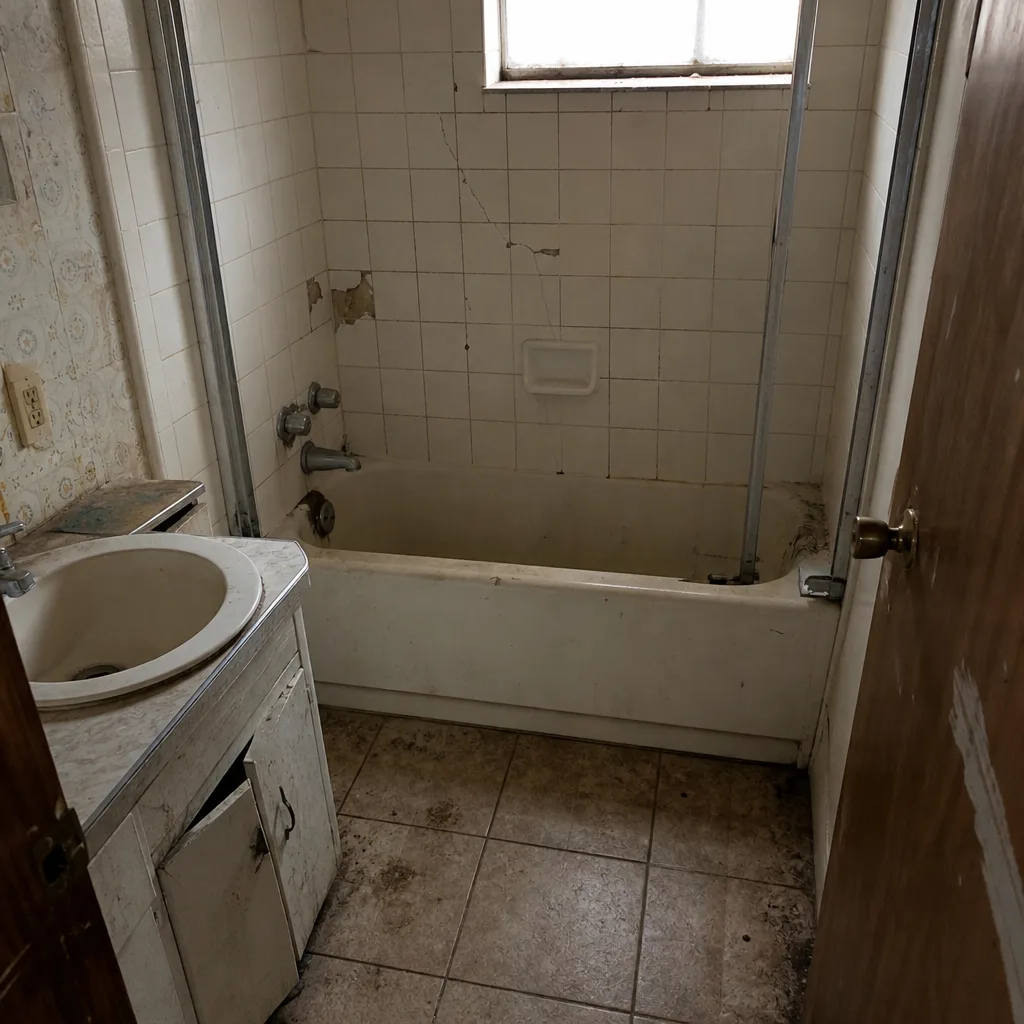
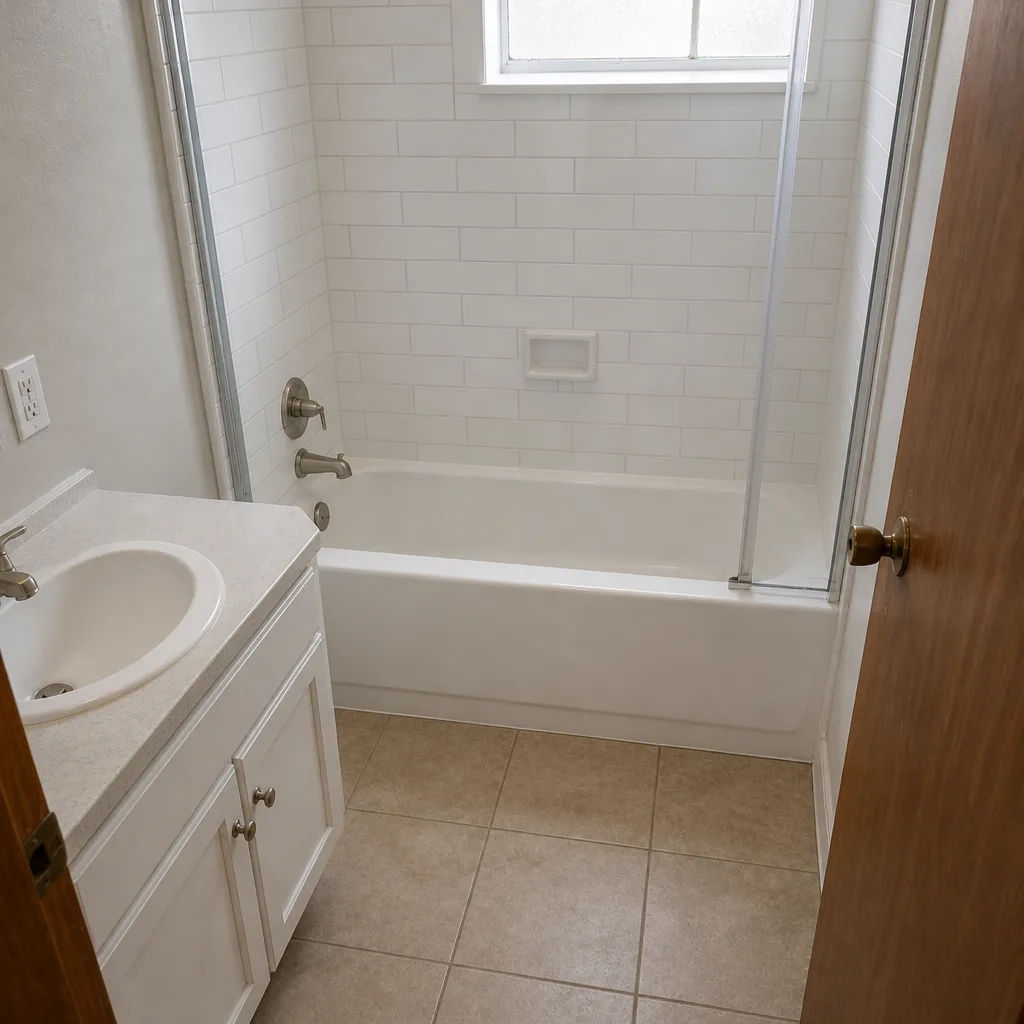
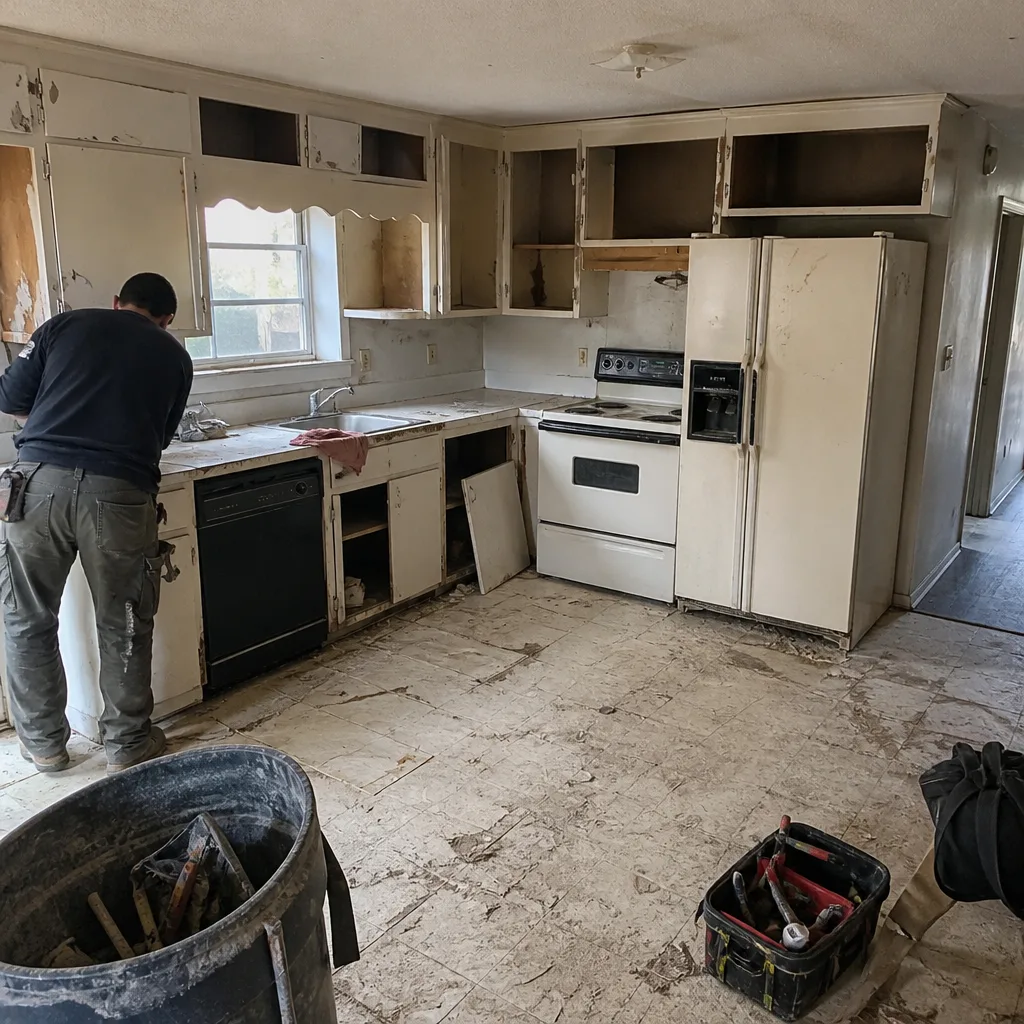
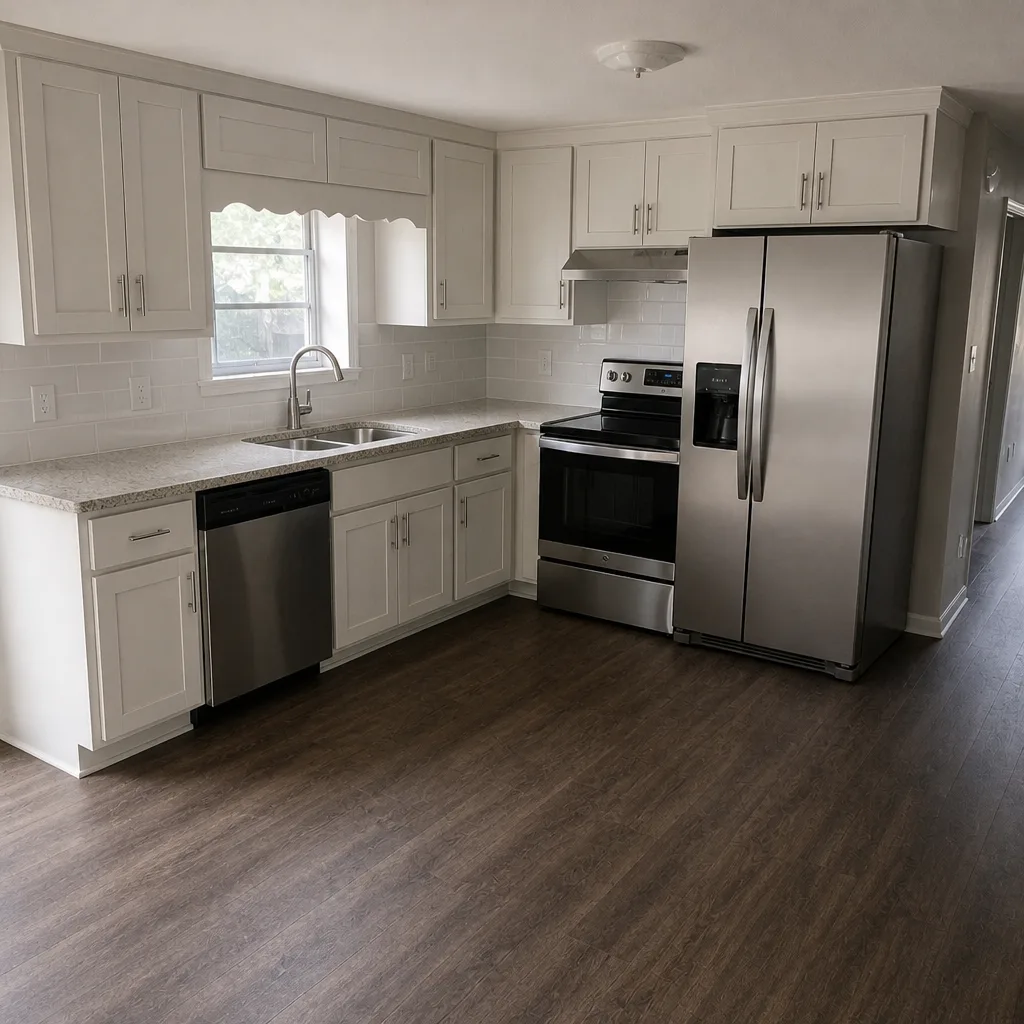
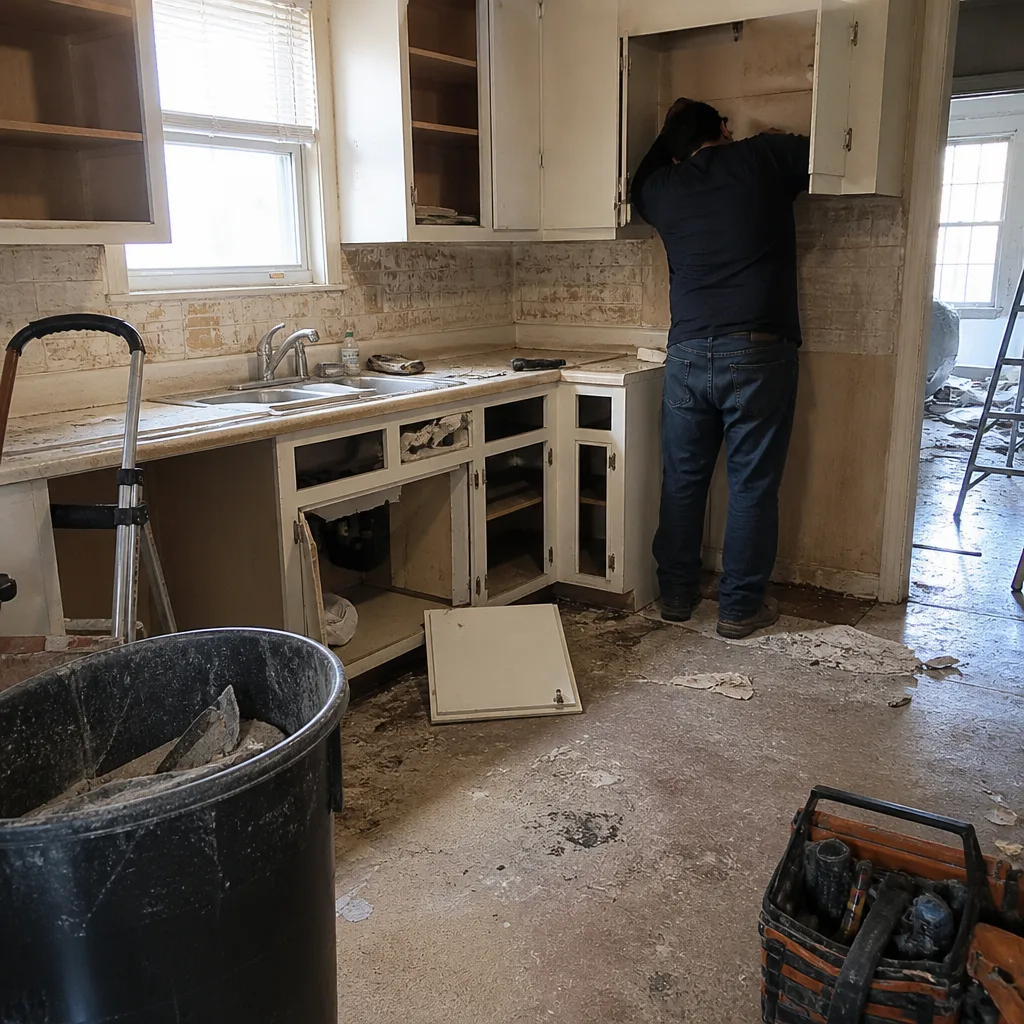
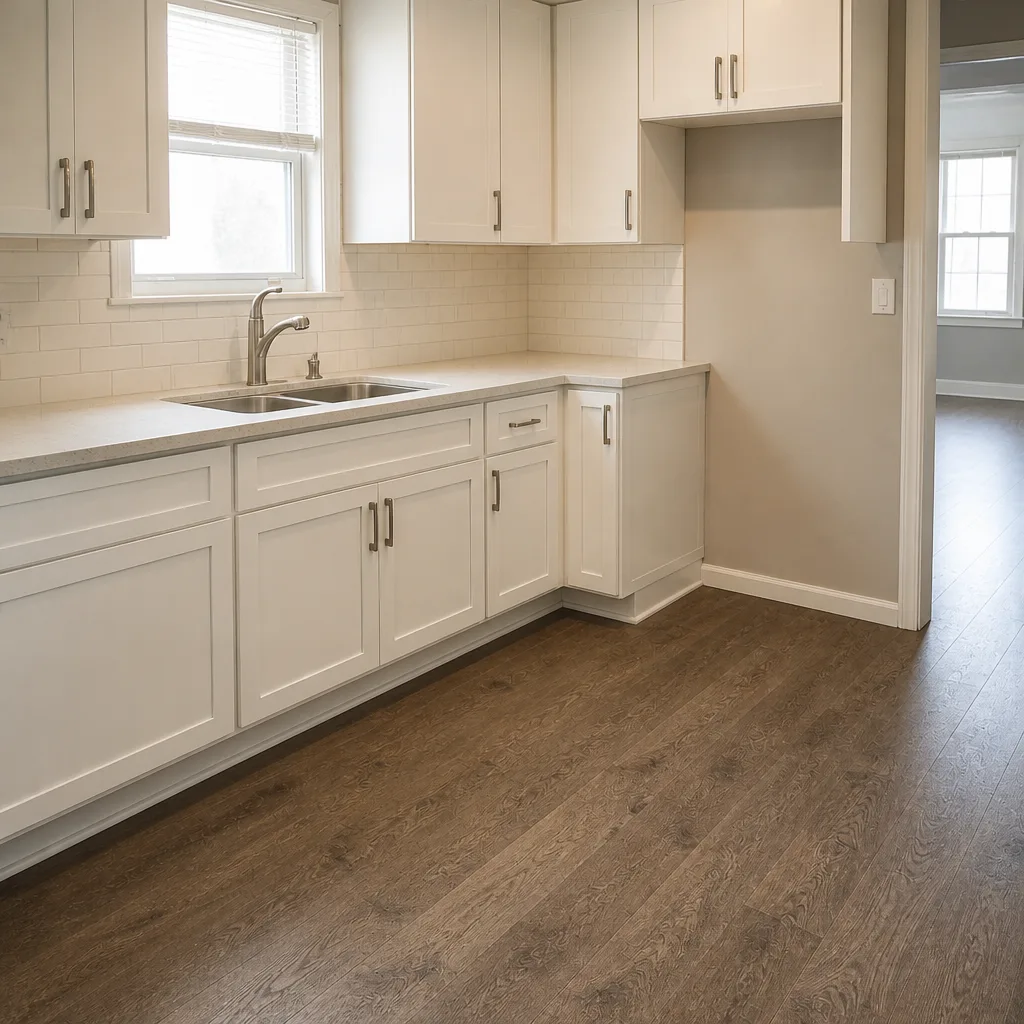
See the difference
 Before
 After
 Before
 After
 Before
 After
When to Call a Professional
Some of this schedule is homeowner-friendly: a hose on the perimeter, a flashlight on the joint, a filter swap, a dollar-bill test on a door seal. Call a professional for the rest. Call when the expansion joint has separated, when a roof flashing tie-in is high or the roof is steep, when doors or windows on the addition stick suddenly, when a water heater is scaling hard, or when you see an interior stain after a storm. Call a foundation specialist for any structural crack that widens or returns after repair. Groundwork Construction Co. of Fort Worth offers free estimates in Fort Worth – call (855) 912-5373 and we’ll walk the interface details with you and give you a written scope. Groundwork Construction Co. of Fort Worth home
Frequently Asked Questions

Once a year, ideally in early summer before the worst heat and rain. In Fort Worth, the annual cycle is driven by UV and temperature swings – exterior caulk on west and south exposures can fail within a single summer if it’s a lower-grade product. Check it again in fall to catch any early failure before winter.
Usually yes, in the first two to three years, because it’s the newest joint and it moves the most. Differential movement between the settled original structure and the still-settling addition stresses that seal before older joints. If your home is older than ten years, the original house may have joints resealed twice; the addition’s joint will need the same attention sooner.
Exterior-grade polyurethane or siliconized polyurethane sealant. Those brands and products are the ones we see survive Texas summers. They cost more than latex caulk and last longer. The joint width and substrate also matter, which is why we spec sealant to the joint and often use a backer rod in wider seams. For a tenant-occupied ADU, have a pro do it and log it.
Once a year for most homes, because Fort Worth water is hard. If the ADU has high use – a rental with multiple tenants – stay on the annual schedule and consider twice a year if flow drops. A professional descale with a receipt in your maintenance log protects the manufacturer’s warranty and prevents premature failure.
Every one to three months, shorter end for rentals. Tenants rarely do it on their own, so if you self-manage the ADU, put it on a calendar. The coil cleaning and full service should happen twice a year; the filter is the homeowner task.
Yes, for additions and ADUs especially, because buyers and inspectors scrutinize the interface details. A dated folder with photos of the expansion joint, flashing, and foundation grading shows the work was looked after. Buyers of homes with documented additions price in that certainty. It also helps if you ever file a warranty claim.
The Bottom Line
An addition or ADU needs its own maintenance schedule because the interface between old and new construction is the property’s most fragile linear foot. Check and reseal the expansion joint every year. Inspect roof flashing before storm season, descale the tankless water heater annually on Fort Worth’s hard water, clean mini-split filters quarterly, and grade and water the foundation through the clay soil’s dry spells. Keep a photo log and a dated record. Do the small annual tasks and the addition stays watertight, rentable, and valuable for decades. Groundwork Construction Co. of Fort Worth builds additions from foundation to finish line and backs the work with a 730-Day Done Right Promise. Calls are answered by a live person 24/7. Call (855) 912-5373 for a free estimate and a design consult, and take $1,000 off projects over $10,000 with 0% financing for 18 months available.
Written by the team at Groundwork Construction Co. of Fort Worth.